
Code Sync
Executive Summary
Code Sync is a family of tech conferences focused on Erlang, Elixir and functional programming. We've been organising events since 2008 to celebrate the Erlang, Elixir, functional programming and alternative tech communities! Our events: ✨Code BE...
Across 12 videos, this channel demonstrates minimal persuasion intensity, primarily through Appeal to authority. Recurring themes suggest consistent operative goals beyond stated content.
Key Metrics
Channel Rating
Low influence intensity with high transparency. This channel lets content speak for itself.
Recurring Themes
Code Sync operates as a high-level technical authority that validates the Erlang/Elixir ecosystem as the premier choice for scalable, distributed systems. Regular viewers are conditioned to view the BEAM virtual machine as a superior alternative to microservices and are encouraged to adopt specific open-source frameworks and cloud messaging standards endorsed by industry leaders.
Promoting the technical superiority of Erlang and Elixir's virtual machine (BEAM) over traditional architectures like microservices and standard databases.
Establishing industry standards for messaging, metadata, and storage while positioning specific tools like AWS, RabbitMQ, and CNCF projects as the default solutions.
Leveraging technical case studies to drive adoption of specific open-source libraries or to establish the commercial credibility of the speakers' companies.
What's Valuable Here

Provides a clear technical breakdown of how data structures like doubly linked lists and sorted sets can be repurposed for complex messaging patterns.
An Introduction to Messaging in Valkey - Roberto Luna Rojas,...

Provides a clear technical overview of how to abstract complex Erlang storage mechanisms into a more familiar Elixir-style interface.
ActiveMemory the missing ORM for ETS and Mnesia | Erin Boege...
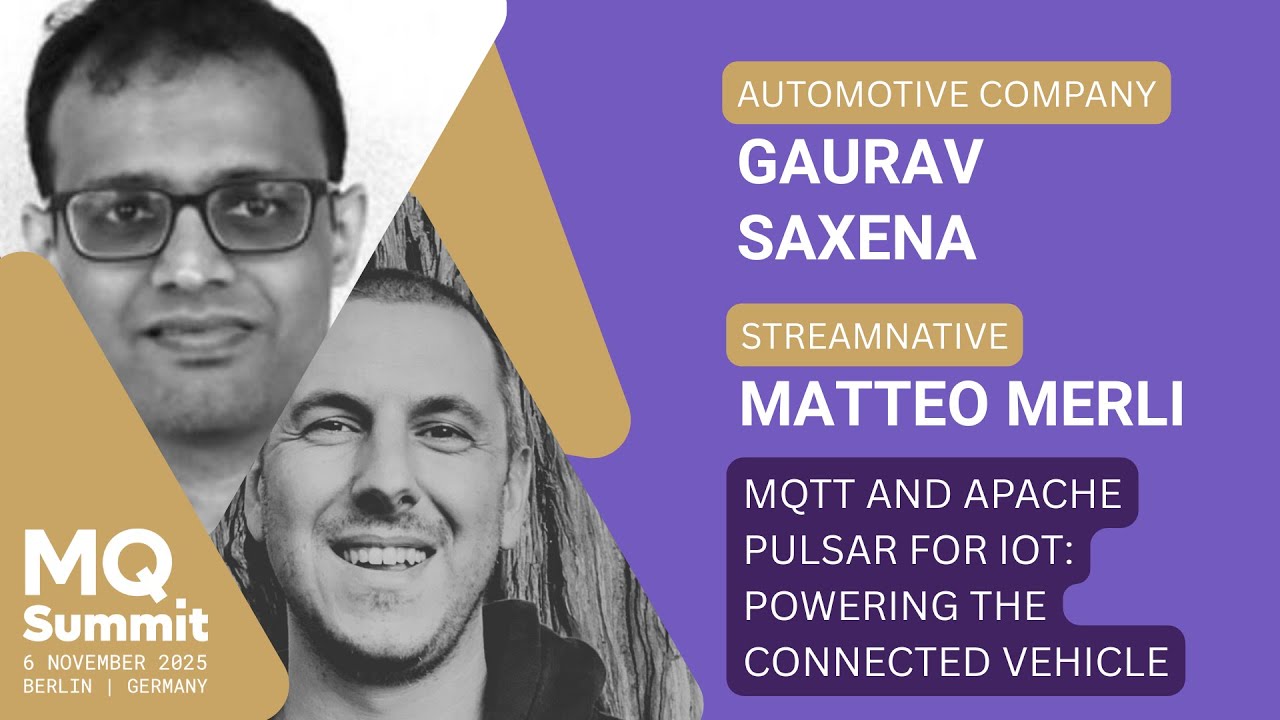
Provides a deep architectural explanation of how to decouple storage from serving layers in messaging systems to achieve horizontal scalability.
MQTT and Apache Pulsar for IoT: Powering the Connected Vehic...

Provides a detailed look at the internal storage mechanics of RabbitMQ streams and a specific implementation of tiered storage to reduce recovery time objectives (RTO).
Breaking Storage Barriers: How RabbitMQ Streams Scale Beyond...
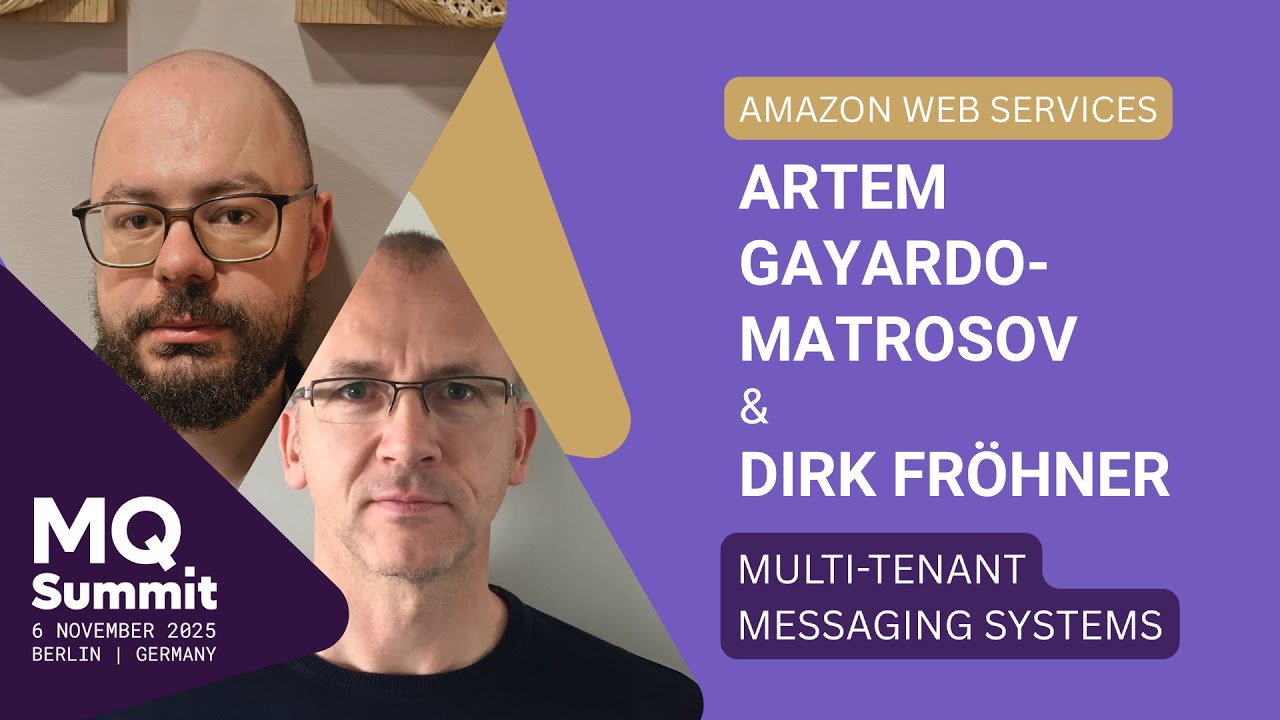
Provides a highly clear and structured breakdown of advanced sharding techniques like 'shuffle sharding' which are often difficult to find explained simply.
Multi-Tenant messaging systems - Dirk Fröhner, Artem Gayardo...
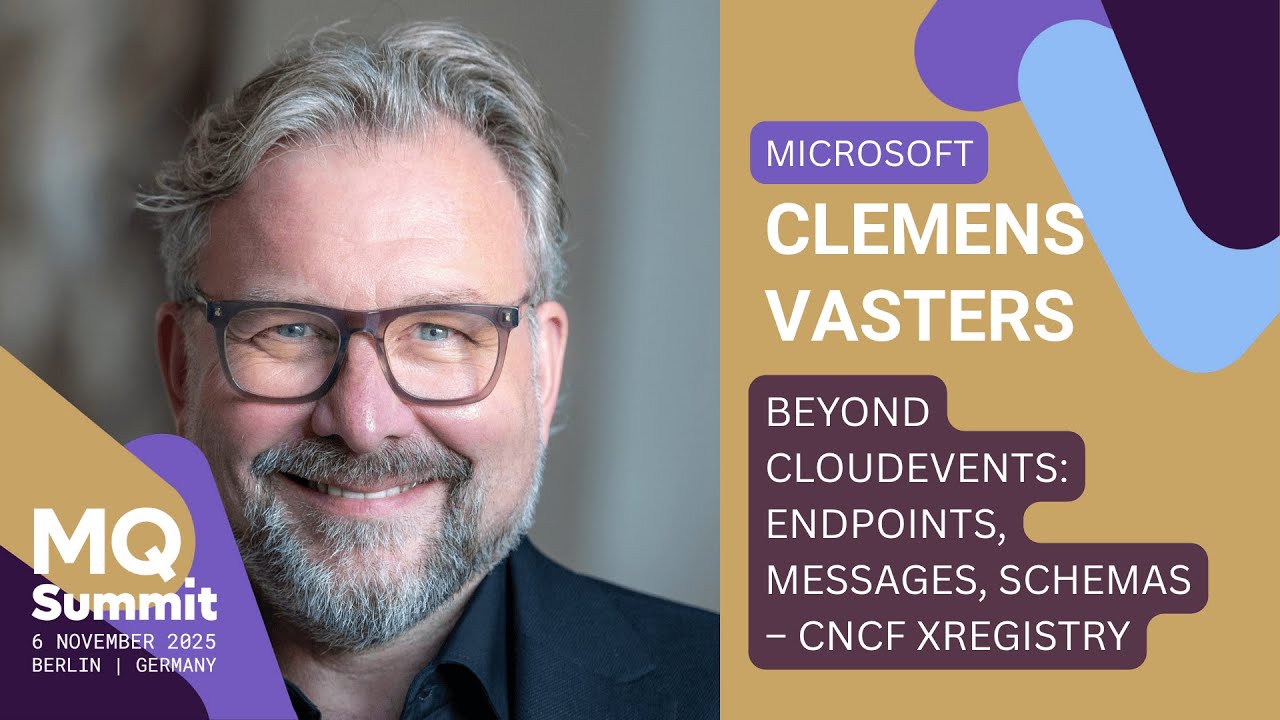
Provides a highly detailed technical explanation of how xRegistry handles versioning and discovery for asynchronous messaging, which is valuable for systems architects.
Beyond CloudEvents: Endpoints, Messages, Schemas – CNCF xReg...