
Dr. Steve Turley
Executive Summary
Are we seeing the revitalization of Christian civilization? For decades, the world has been dominated by a process known as globalization, a secularizing economic and political system that hollows out and erodes a culture’s traditions, customs, and ...
Across 9 videos, this channel demonstrates moderate persuasion intensity, primarily through Us vs. Them. Recurring themes suggest consistent operative goals beyond stated content.
Key Metrics
Us vs. Them
Dividing the world into two camps — people like us (good, trustworthy) and people not like us (dangerous, wrong). It exploits a deep human tendency to favor our own group. Once you accept the division, information from "them" gets automatically discounted.
Tajfel's Social Identity Theory (1979); Minimal Group Paradigm
Channel Rating
Moderate persuasion used transparently. The channel is upfront about its perspective — this is rhetoric, not manipulation.
What's Valuable Here

Compiles specific reports from outlets like CNN, NYT on Kurdish coalitions, CIA arming, Azerbaijani alerts, and strike details into a cohesive multi-front overview.
Something Huge Just ERUPTED in the Middle East...And It Will...
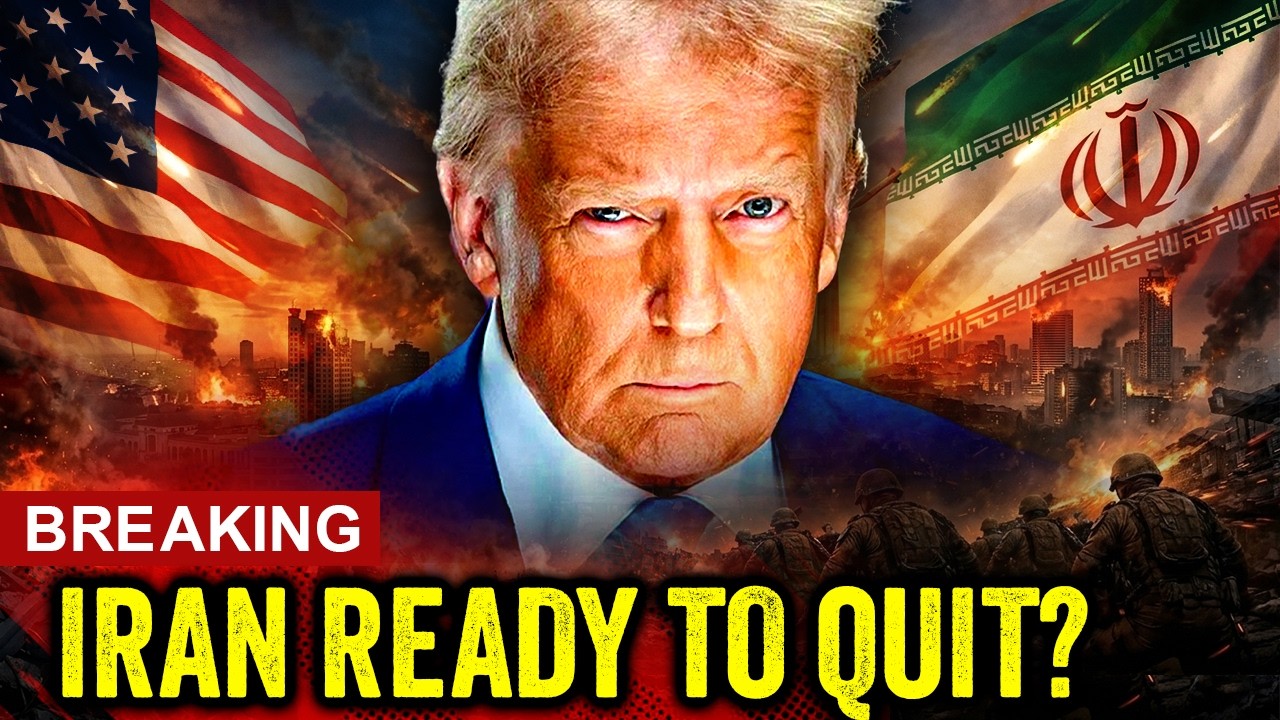
Compiles specific, sourced stats on Iranian military losses (e.g., 75% launch capacity destroyed, 86% missile drop) from US/IDF reports for a pro-conservative take on the conflict.
BREAKING! IRAN SIGNALS SURRENDER!!!

Offers granular breakdown of Texas primary results including turnout comparisons to past elections and specific race outcomes like Crenshaw's defeat, valuable for conservative political tracking.
Jasmine Crockett HUMILIATED as Republicans SURGE in Texas Vo...

Provides a detailed recap of specific reported strikes, interceptions, and GCC responses with sources like Channel 12 and analysts, useful for quick synthesis of fast-moving events.
BREAKING! Qatar STRIKES Iran as Gulf States Join OPERATION E...

Provides a detailed synthesis of specific reported events like Pezeshkian's apology, missile depletion stats, and crown prince's announcement into a coherent narrative of regime fracture.
Iranian Regime SPLITS APART as CROWN PRINCE Accepts Transiti...
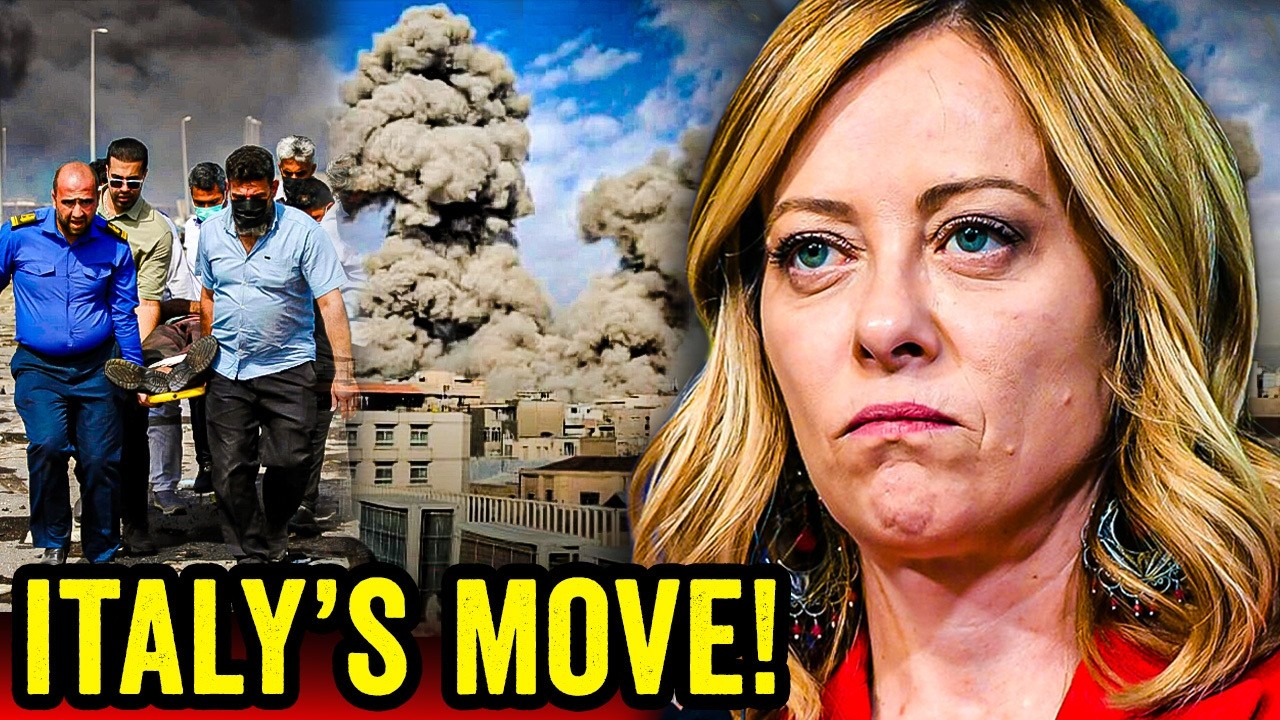
Provides a detailed timeline of Italy's parliamentary approval and Meloni's radio announcement on air defense deployments, including specifics on systems and motivations like protecting Italian citizens and energy interests.
You Won’t BELIEVE What Italy Just Did!!!
Persuasion Dimensions
Most Used Techniques
Us vs. Them
Dividing the world into two camps — people like us (good, trustworthy) and people not like us (dangerous, wrong). It exploits a deep human tendency to favor our own group. Once you accept the division, information from "them" gets automatically discounted.
Tajfel's Social Identity Theory (1979); Minimal Group Paradigm
Intensity amplification
Inflating the importance, drama, or shock value of information using superlatives, alarming framing, and emotional language. Once your alarm system activates, you stop evaluating proportionality.
Cultivation theory (Gerbner, 1969); availability heuristic (Tversky & Kahneman, 1973)
Urgency framing
Creating artificial time pressure to force a decision before you can think it through. 'Only 3 left!' 'Act now!' The technique works because genuine scarcity is a real signal, so the urgency feels rational even when it's manufactured.
Cialdini's Scarcity principle (1984); dark patterns research (Mathur et al., 2019)
Viewer Guidance
People or groups are reduced to types. Consider whether the characterization serves the argument more than the truth.
Information is consistently shaped from one angle. Seek out how other sources present the same facts.
This content frequently uses emotional appeal. Notice when feelings are being prioritized over evidence.