Braves Today: An Atlanta Braves Podcast
Executive Summary
Welcome to Braves Today! Coverage of the Atlanta Braves.
Across 13 videos, this channel demonstrates low persuasion intensity, primarily through Appeal to authority. Recurring themes suggest consistent operative goals beyond stated content.
Key Metrics
Channel Rating
Minimal persuasion techniques detected. Content is primarily informational.
What's Valuable Here

Provides granular pitch data (e.g., 97-99 mph fastball whiff rates, gyro slider shift) and roster context like options/opt-outs for informed fan discussion on Fuentes' fit.
Didier Fuentes Has Thrown a NO-HITTER Across Spring Training...

This content provides a passionate fan-centric perspective on team dynamics and upcoming roster decisions for the Atlanta Braves.
Jurickson Profar should never play another inning for the At...

Offers a detailed breakdown of Michael Harris's chase rates and Bryce Elder's late-season velocity trends that would be informative for a dedicated baseball fan.
Why Michael Harris, Bryce Elder & Joey Wentz Could Have BIG ...
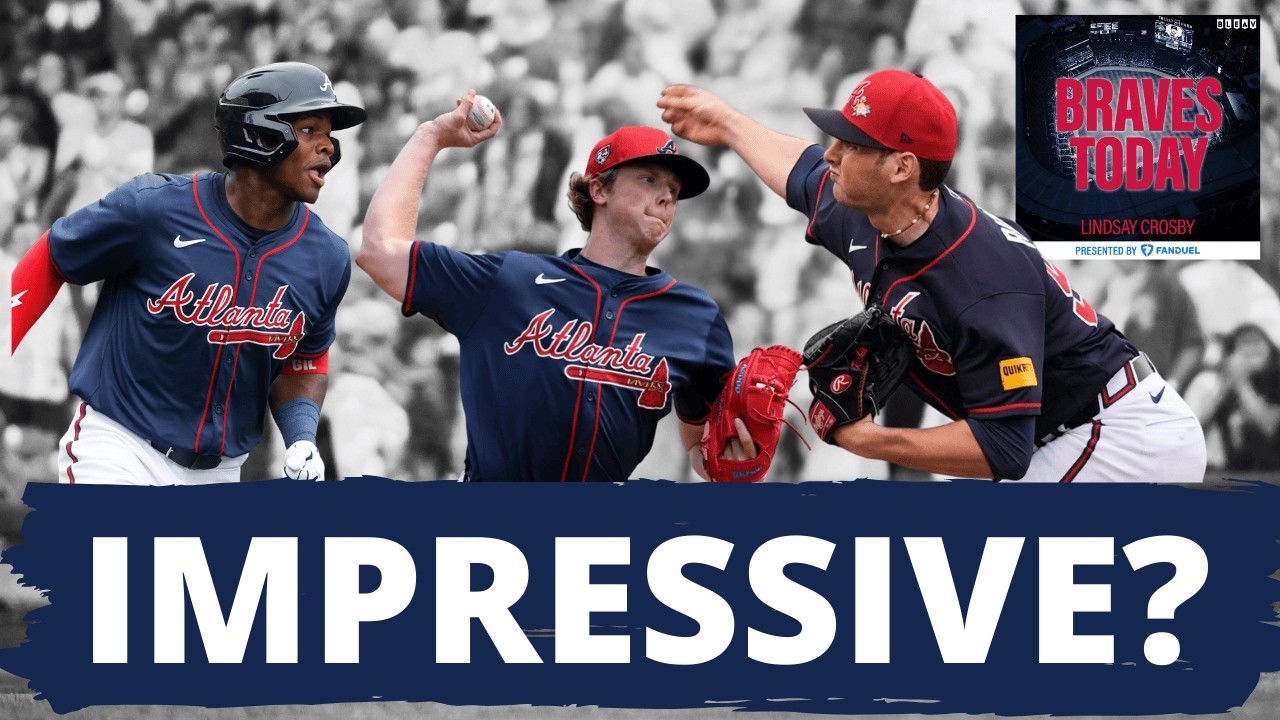
Offers high-level scouting insights into deep-roster prospects like Diego Torrens and John Heale that are typically unavailable to the general public.
Braves Prospects IMPRESSING In Spring Training; Thoughts on ...
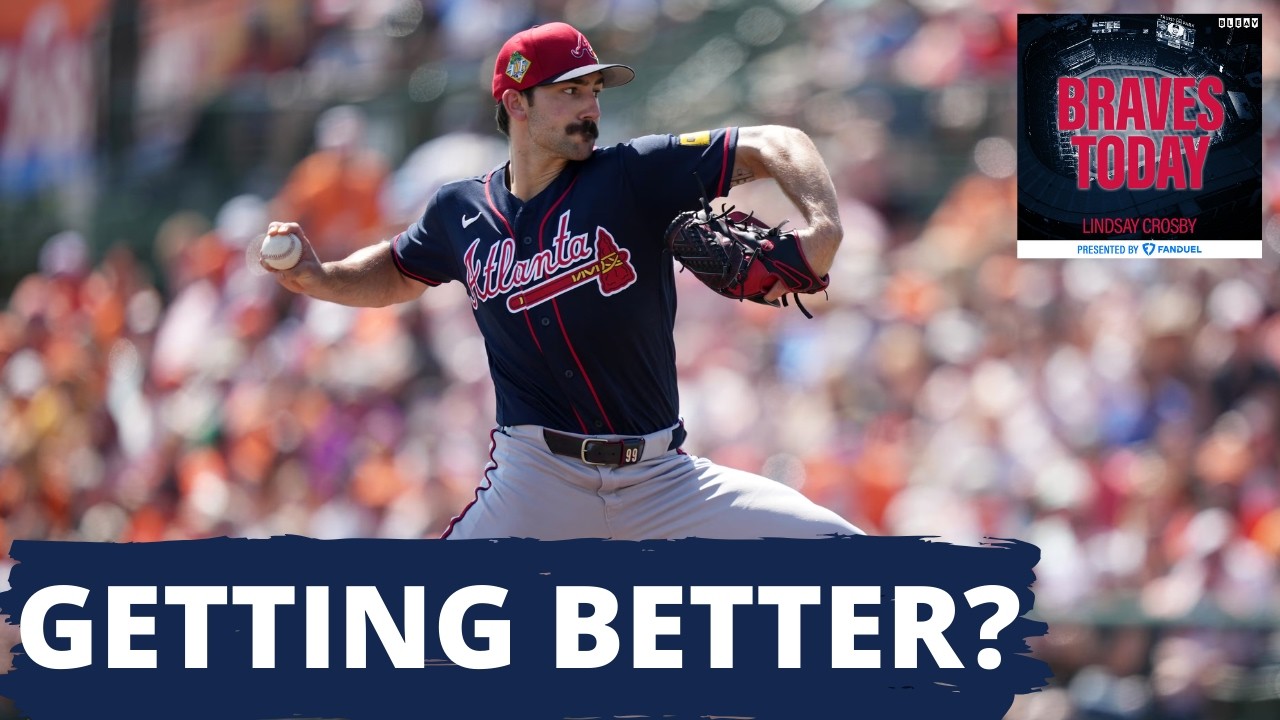
Offers high-level statistical analysis of pitching metrics like IVB (Induced Vertical Break) and velocity trends that go beyond basic box scores.
Strider's Fastball Is Getting Better; Mike Yastrzemski Blast...

Offers high-level technical analysis of pitch design (gyro sliders vs. sweepers) that is genuinely informative for fans interested in player development.
Didier Fuentes Make Spring Debut and Looks FANTASTIC; Wentz ...
Persuasion Dimensions
Most Used Techniques
Moral framing
Presenting a complex issue with genuine tradeoffs as a simple choice between right and wrong. Once something is framed as a moral issue, compromise feels like complicity and disagreement feels immoral rather than reasonable.
Haidt's Moral Foundations Theory; Lakoff's framing research (2004)
Moral outrage
Provoking a sense that something is deeply unfair or wrong, activating a feeling that demands action — sharing, protesting, punishing — before you've fully evaluated the situation. It's one of the most viral emotions online because it combines anger with righteousness.
Haidt's Moral Foundations Theory (2004); Brady et al. (2017, PNAS)
Pathos
Appealing to your emotions — fear, joy, anger, sadness — to make an argument feel compelling. Rather than persuading through evidence, it works by putting you in an emotional state where you're more receptive. The emotion becomes the proof.
Aristotle's Rhetoric; Kahneman's System 1 processing