
WowTube
Executive Summary
Discover the WOWs of our world with WowTube, brought to you by the creators of the #1 podcast for curious kids, Wow in the World! 🎧 Tune in for full-length episodes of Wow in the World to learn about the latest WOW discoveries in science 🧪 Tinker wit...
Across 3 videos, this channel demonstrates low persuasion intensity, primarily through Curiosity gap. Recurring themes suggest consistent operative goals beyond stated content.
Key Metrics
Curiosity gap
Creating a deliberate gap between what you know and what you want to know, triggering curiosity as an almost physical itch. Headlines like "You won't believe..." are engineered to exploit this. The content rarely delivers on the promise.
Loewenstein's Information Gap Theory (1994)
Channel Rating
Low influence intensity with high transparency. This channel lets content speak for itself.
What's Valuable Here

Introduces children to real environmental science on biodegradable plastics and ocean microbes through engaging storytelling.
How Can Ocean Microbes Eat Plastic?! 🔎 🌊 | LISTEN KIDS PODCA...
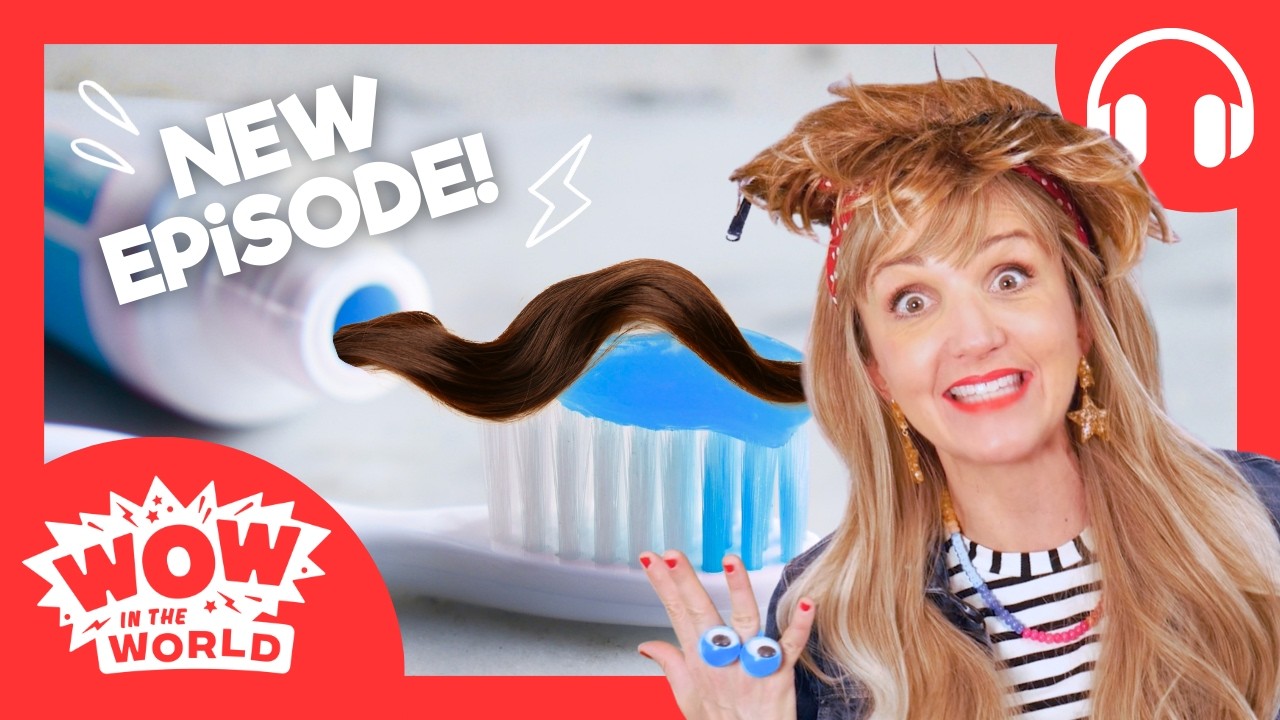
This video effectively translates a complex material science paper from the journal 'Advanced Healthcare Materials' into an accessible and entertaining format for a young audience.
Toothpaste Made with HAIR?! 🪥 💇♀️ | LISTEN KIDS PODCAST 🎧 | Wo...

This video introduces children to the idea that science can be found in unexpected, everyday places like hair and toothpaste.
Hair in Your Toothpaste?! 🪥| Wow in the World Episode Sneak ...
Persuasion Dimensions
Most Used Techniques
Curiosity gap
Creating a deliberate gap between what you know and what you want to know, triggering curiosity as an almost physical itch. Headlines like "You won't believe..." are engineered to exploit this. The content rarely delivers on the promise.
Loewenstein's Information Gap Theory (1994)
Viewer Guidance
Content structure prioritizes keeping you watching over informing you. Ask if the format serves understanding or attention.