
The Diary Of A CEO
Executive Summary
64% of our viewers don't realise they don't subscribe, please double check, thank you!!
Across 15 videos, this channel demonstrates low persuasion intensity, primarily through Appeal to authority. Recurring themes suggest consistent operative goals beyond stated content.
Key Metrics
Channel Rating
Moderate persuasion used transparently. The channel is upfront about its perspective — this is rhetoric, not manipulation.
What's Valuable Here

Gavin DeBecker shares specific mechanisms of elite threats like phone hacking (e.g., Bezos case) and intuition-sharpening advice drawn from decades protecting leaders.
JEFFREY EPSTEIN WAS A MADE UP PERSON?
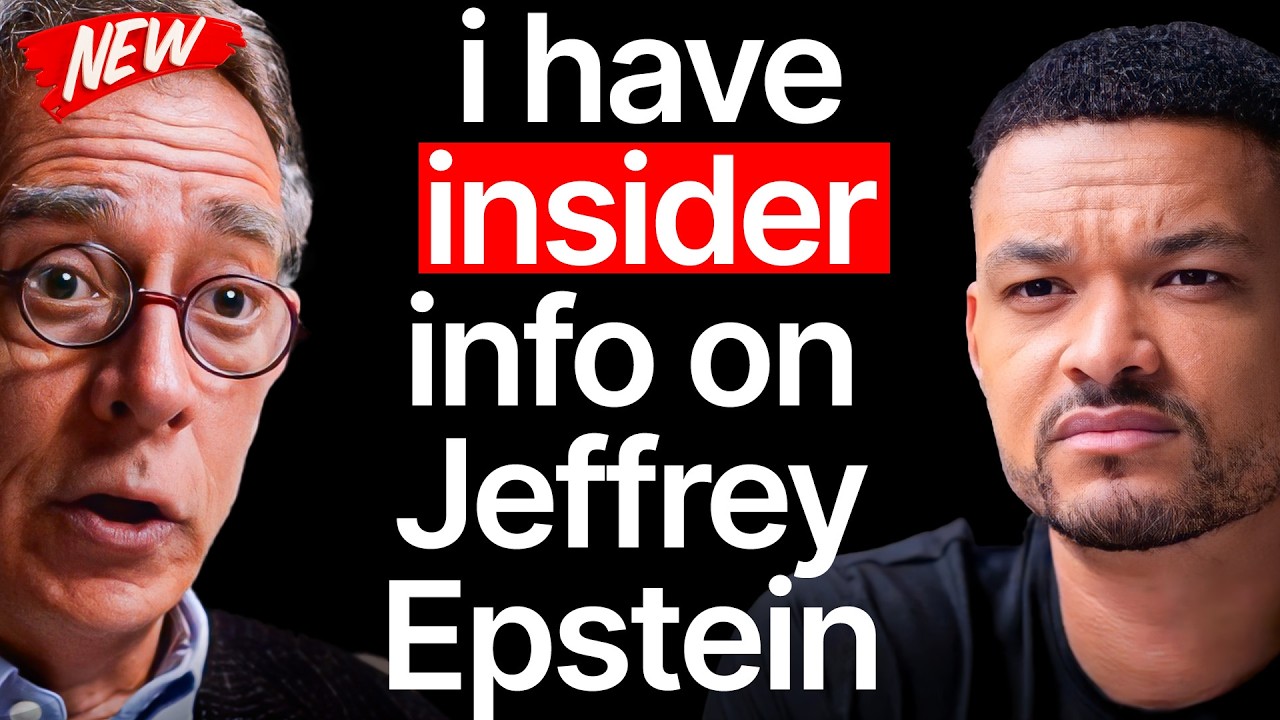
Gavin de Becker provides specific frameworks like J-A-C-A for violence prediction and real-world examples from Bezos hack and Epstein files, offering actionable security insights.
Top Intelligence Advisor: “Epstein Was A Front.” They Can Se...

Hart provides genuine insight into the transition from being a 'talent' to being a 'business owner' and the importance of financial literacy in creative industries.
Kevin Hart: They're Lying To You About How To Become A Milli...

Offers a security consultant's informed speculation on Epstein's opaque funding sources and potential intelligence links, drawing on public records like Wexner transfers and Maxwell family history.
JEFFREY EPSTEIN WAS A CONSTRUCT?

Practical summaries of studies on glucose's role in fetal brain development, ADHD links, and hacks like protein dosing reduce informational search time for expectant parents.
They're Lying About 'Healthy' Foods & Sugar! Shocking New Re...

Provides detailed insider accounts from over 90 OpenAI employees and executives on internal power struggles, AGI redefinitions, and production harms, offering rare access to industry critiques.
AI Whistleblower: We Are Being Gaslit By The AI Companies! T...
Persuasion Dimensions
Most Used Techniques
Performed authenticity
The deliberate construction of "realness" — confessional tone, casual filming, strategic vulnerability — designed to lower your guard. When someone appears unpolished and honest, you evaluate their claims less critically. The spontaneity is rehearsed.
Goffman's dramaturgy (1959); Audrezet et al. (2020) on performed authenticity
Curiosity gap
Creating a deliberate gap between what you know and what you want to know, triggering curiosity as an almost physical itch. Headlines like "You won't believe..." are engineered to exploit this. The content rarely delivers on the promise.
Loewenstein's Information Gap Theory (1994)
Fear appeal
Presenting a vivid threat and then offering a specific action as the way to avoid it. Always structured as: "Something terrible will happen unless you do X." Most effective when the threat feels personal and the action feels achievable.
Witte's Extended Parallel Process Model (1992)
Moral outrage
Provoking a sense that something is deeply unfair or wrong, activating a feeling that demands action — sharing, protesting, punishing — before you've fully evaluated the situation. It's one of the most viral emotions online because it combines anger with righteousness.
Haidt's Moral Foundations Theory (2004); Brady et al. (2017, PNAS)
Viewer Guidance
This content frequently uses emotional appeal. Notice when feelings are being prioritized over evidence.
Information is consistently shaped from one angle. Seek out how other sources present the same facts.