
Collector's Corner TCG
Executive Summary
Welcome to the world of collectable trading cards. If you're a fan of Pokemon, Magic the Gathering, or Yu-Gi-Oh!, this is the place for you. Especially if you are interested in the collecting side of things.
Across 10 videos, this channel demonstrates low persuasion intensity, primarily through Performed authenticity. Recurring themes suggest consistent operative goals beyond stated content.
Key Metrics
Performed authenticity
The deliberate construction of "realness" — confessional tone, casual filming, strategic vulnerability — designed to lower your guard. When someone appears unpolished and honest, you evaluate their claims less critically. The spontaneity is rehearsed.
Goffman's dramaturgy (1959); Audrezet et al. (2020) on performed authenticity
Channel Rating
Moderate persuasion used transparently. The channel is upfront about its perspective — this is rhetoric, not manipulation.
What's Valuable Here

The 'cost-per-pack' math (subtracting promo value from box price) is a genuinely useful tool for collectors to evaluate the objective value of sealed products.
How to Buy Pokémon Cards in 2026 (Beginner Friendly)
The video offers a healthy psychological approach to collecting by prioritizing personal memories and 'binder goals' over market value, which can prevent burnout.
The NEW Way to Collect Pokémon Cards in 2026

This content provides a real-time community space for TCG enthusiasts to share knowledge about card conditions, rarity, and market trends.
Collector's Corner TCG Live Stream

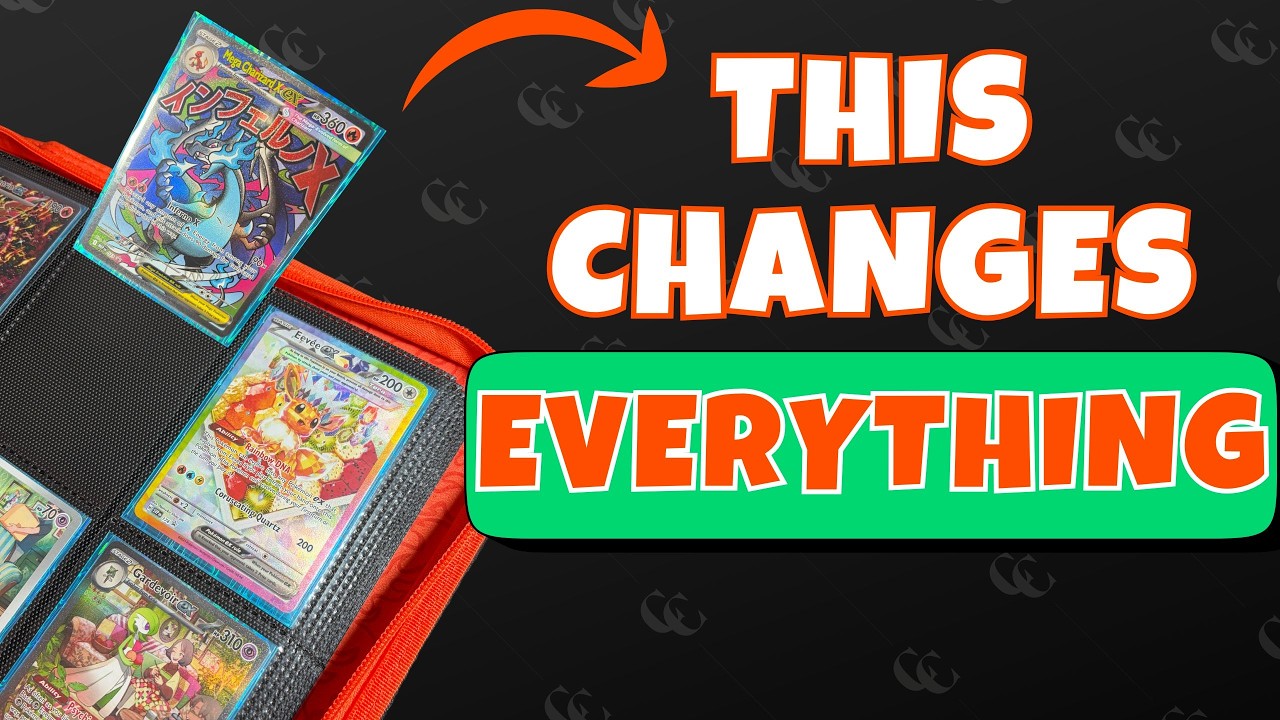
Offers a detailed physical comparison of binder page quality and clarity that helps collectors understand the tactile differences between 'premium' and 'budget' storage.
The BEST Trading Card Binders, Sleeves & Displays (2025 Guid...

Provides a comprehensive chronological breakdown of set mechanics and art style shifts that defined the 2023-2025 Pokémon TCG era.
The BEST and WORST of Scarlet & Violet (Pokémon TCG Review)

Provides a comprehensive summary of major TCG industry shifts in 2025, including the significant 'Marvel/Spider-Man' licensing conflict in Magic: The Gathering.
The Best & Worst TCG Moments of 2025
Persuasion Dimensions
Most Used Techniques
Performed authenticity
The deliberate construction of "realness" — confessional tone, casual filming, strategic vulnerability — designed to lower your guard. When someone appears unpolished and honest, you evaluate their claims less critically. The spontaneity is rehearsed.
Goffman's dramaturgy (1959); Audrezet et al. (2020) on performed authenticity
Confirmation appeal
Selectively presenting information that confirms what you probably already believe. Content that matches your existing worldview requires almost no mental effort to accept — it just feels obviously true.
Wason (1960); Nickerson's confirmation bias review (1998)
Empathy elicitation
Using vivid personal stories to make you feel what a specific person is experiencing. By focusing on one individual's struggle, it overrides your ability to evaluate the broader situation objectively. A single compelling story can be more persuasive than statistics about millions.
Batson's empathy-altruism hypothesis (1981); identifiable victim effect (Schelling, 1968)
Viewer Guidance
Information is consistently shaped from one angle. Seek out how other sources present the same facts.
Calls to action follow emotional buildup. Consider whether the ask would feel as urgent without the preceding framing.
This content frequently uses emotional appeal. Notice when feelings are being prioritized over evidence.