
KenDBerryMD
Executive Summary
Evidence-Based Nutrition + Ancestral Health I’m Dr. Ken Berry, a Board Certified Family Physician, and the Proper Human Diet (PHD) is your roadmap to reclaiming your health. With over 20 years as a family physician, I’ve treated thousands of patient...
Across 14 videos, this channel demonstrates low persuasion intensity, primarily through Performed authenticity. Recurring themes suggest consistent operative goals beyond stated content.
Key Metrics
Performed authenticity
The deliberate construction of "realness" — confessional tone, casual filming, strategic vulnerability — designed to lower your guard. When someone appears unpolished and honest, you evaluate their claims less critically. The spontaneity is rehearsed.
Goffman's dramaturgy (1959); Audrezet et al. (2020) on performed authenticity
Channel Rating
Moderate persuasion used transparently. The channel is upfront about its perspective — this is rhetoric, not manipulation.
What's Valuable Here

Provides detailed insider updates on the LMHR study's longitudinal data analysis challenges and plaque progression findings from participants on keto/carnivore diets.
LMHR/Keto CTA CONTROVERSY - YOU WON'T BELIEVE THIS! with Fel...

Provides specific insights into perimenopause symptoms like progesterone decline effects on sleep/anxiety and gut microbiome's under-discussed role in metabolic changes for midlife women.
Why Traditional Medicine Fails Menopausal Women [ Cynthia Th...
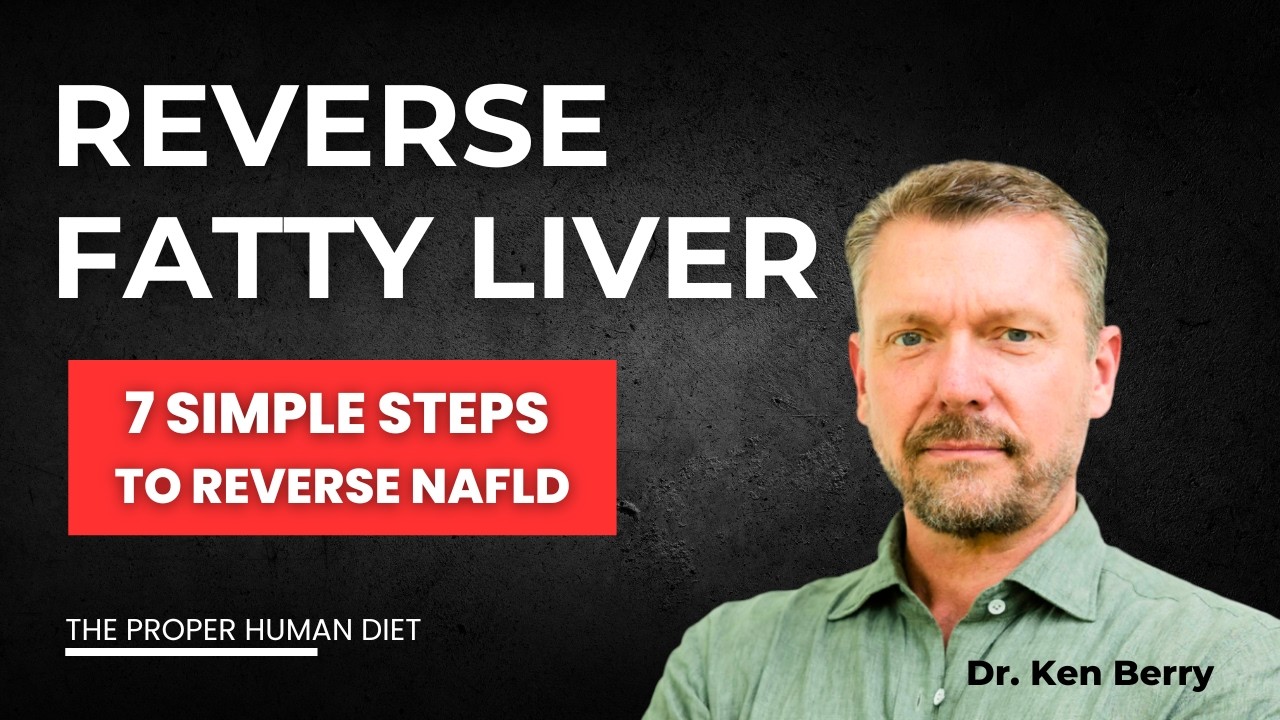
Provides specific, actionable steps like eliminating liquid sugars and cutting carbs under 50g/day, drawn from the host's clinical experience with fatty liver patients.
Reverse FATTY LIVER in 90 Days + Q&A with Dr Berry

The video offers excellent, low-cost hygiene advice such as using a hairdryer on toes and UV exposure which are genuinely helpful for fungal management.
CURE Toenail Fungus (And keep it Gone FOREVER)

The video provides a practical, actionable list of low-glycemic foods and encourages viewers to use data (CGMs/glucometers) to see how food affects them personally.
5 Best/Worst Breakfasts for Diabetics - 2026 (Diabetic Break...

The video provides a useful reminder that 'healthy' labeled processed foods can still have a high glycemic load, which is relevant for metabolic health.
That “healthy” cereal with skim milk can spike your blood su...
Persuasion Dimensions
Most Used Techniques
Performed authenticity
The deliberate construction of "realness" — confessional tone, casual filming, strategic vulnerability — designed to lower your guard. When someone appears unpolished and honest, you evaluate their claims less critically. The spontaneity is rehearsed.
Goffman's dramaturgy (1959); Audrezet et al. (2020) on performed authenticity
Association
Pairing a new idea, product, or person with something you already feel positively or negatively about. The goal is to transfer your existing emotional response without any logical connection. It works below conscious awareness.
Evaluative conditioning (Pavlov); IPA 'Transfer' technique (1937)
Forced equivalence
Presenting two things as equally valid when they aren't. By giving equal weight to a well-supported position and a fringe one, it manufactures the appearance of legitimate debate. Feels like fairness — "hearing both sides" — even when one side has overwhelming evidence.
Boykoff & Boykoff (2004) on media false balance
In-group/Out-group framing
Leveraging your tendency to automatically trust information from "our people" and distrust outsiders. Once groups are established, people apply different standards of evidence depending on who is speaking.
Social Identity Theory (Tajfel & Turner, 1979); Cialdini's Unity principle (2016)
Viewer Guidance
Information is consistently shaped from one angle. Seek out how other sources present the same facts.
Arguments rely on assumptions treated as obvious. Ask what you'd need to already believe for the claims to land.
This content frequently uses emotional appeal. Notice when feelings are being prioritized over evidence.