
The PrimeTime
Executive Summary
This is a place for all the things that are awesome on stream.
Across 18 videos, this channel demonstrates low persuasion intensity, primarily through Performed authenticity. Recurring themes suggest consistent operative goals beyond stated content.
Key Metrics
Performed authenticity
The deliberate construction of "realness" — confessional tone, casual filming, strategic vulnerability — designed to lower your guard. When someone appears unpolished and honest, you evaluate their claims less critically. The spontaneity is rehearsed.
Goffman's dramaturgy (1959); Audrezet et al. (2020) on performed authenticity
Channel Rating
Moderate persuasion used transparently. The channel is upfront about its perspective — this is rhetoric, not manipulation.
What's Valuable Here

The video provides a critical, albeit hyperbolic, look at the 'aesthetic' vs 'functional' reality of high-tech corporate culture and the potential pitfalls of publicizing low-productivity schedules.
WE ARE SO BACK - Day In The Life at Netflix

The video provides a grounded critique of the 'stochastic' nature of LLMs and the very real psychological toll of losing the 'dopamine hit' of manual problem-solving.
AI Coding Sucks | Prime Reacts

The video provides a highly accessible summary of recent advancements in organoid intelligence and biological-silicon interfaces.
What The F**k
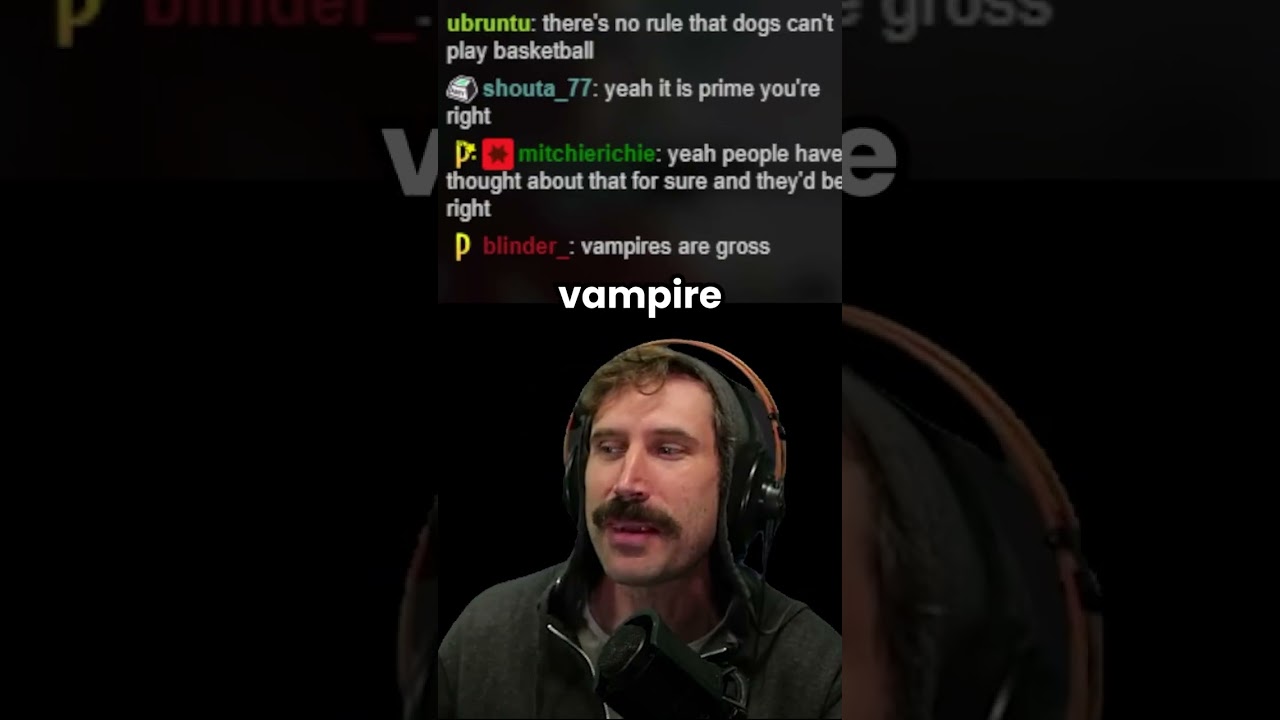
The video provides a humorous deconstruction of common fantasy tropes that encourages creative thinking about fictional world-building.
Baby vampires

The video provides a thought-provoking look at how version control (Git) might evolve from a manual file-system tool into an automated data-stream for AI training.
Github might be in trouble

The video provides a valid critique of the 'enforced online' trend in modern operating systems and showcases the current state of Linux tiling window managers.
Apple Introduces The Year Of The Linux Desktop!
Persuasion Dimensions
Most Used Techniques
Performed authenticity
The deliberate construction of "realness" — confessional tone, casual filming, strategic vulnerability — designed to lower your guard. When someone appears unpolished and honest, you evaluate their claims less critically. The spontaneity is rehearsed.
Goffman's dramaturgy (1959); Audrezet et al. (2020) on performed authenticity
Moral framing
Presenting a complex issue with genuine tradeoffs as a simple choice between right and wrong. Once something is framed as a moral issue, compromise feels like complicity and disagreement feels immoral rather than reasonable.
Haidt's Moral Foundations Theory; Lakoff's framing research (2004)