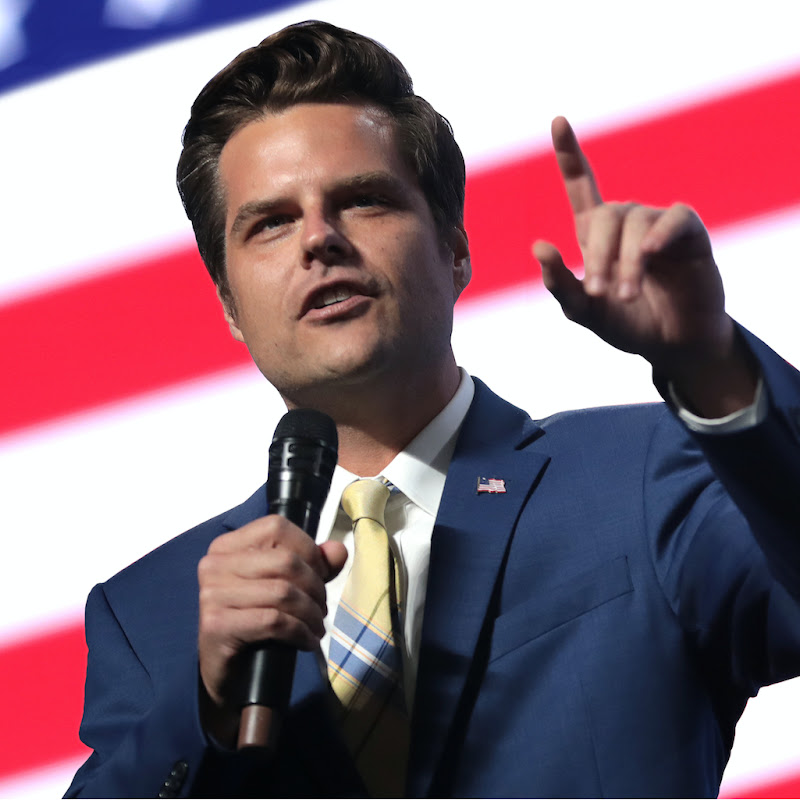
Former Congressman Matt Gaetz
Executive Summary
Matt Gaetz has been a lifelong advocate for Northwest Florida, having grown up in Okaloosa County. He formerly represented Florida’s 1st Congressional District in the U.S. House of Representatives.
Across 14 videos, this channel demonstrates high persuasion intensity, primarily through Performed authenticity. Recurring themes suggest consistent operative goals beyond stated content.
Key Metrics
Performed authenticity
The deliberate construction of "realness" — confessional tone, casual filming, strategic vulnerability — designed to lower your guard. When someone appears unpolished and honest, you evaluate their claims less critically. The spontaneity is rehearsed.
Goffman's dramaturgy (1959); Audrezet et al. (2020) on performed authenticity
Channel Rating
High-intensity persuasion, but relatively transparent about it. Strong opinions stated openly — evaluate the arguments on their merits.
What's Valuable Here

Provides a specific congressional committee member's perception of classified cyber intel regarding targeting of media figures like Johnson and Pool.
BREAKING: Benny Johnson and Tim Pool Were VICTIMS of a Russi...

Provides a clear articulation of the 'America First' or non-interventionist critique of current U.S. foreign policy regarding Ukraine.
The Ukraine War Could Go NUCLEAR!
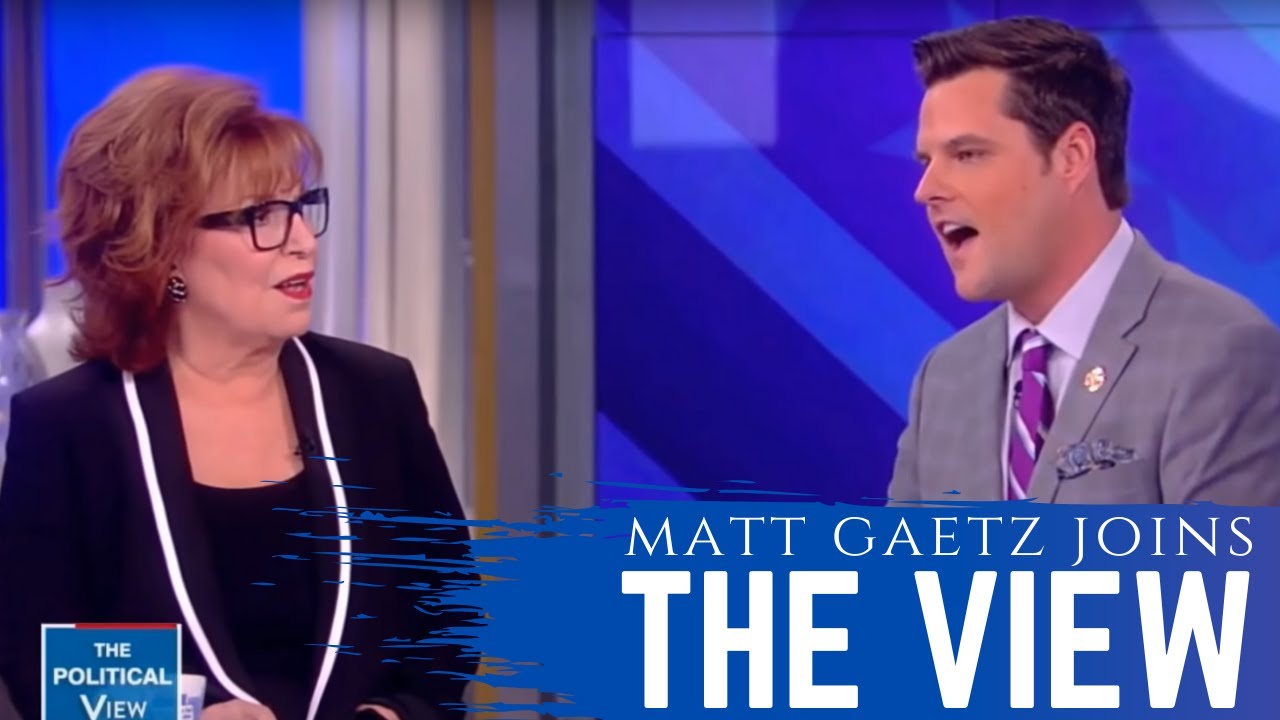
Provides a clear example of how political figures use adversarial media appearances to signal strength to their base through rapid-fire rhetorical pivots.
Congressman Gaetz Takes on The View

Provides a clear example of how political figures use specific federal programs (like the Shelter and Services Program) to illustrate broader ideological critiques of executive branch priorities.
ILLEGALS Live Better Than AMERICANS On FEMA's Dime!
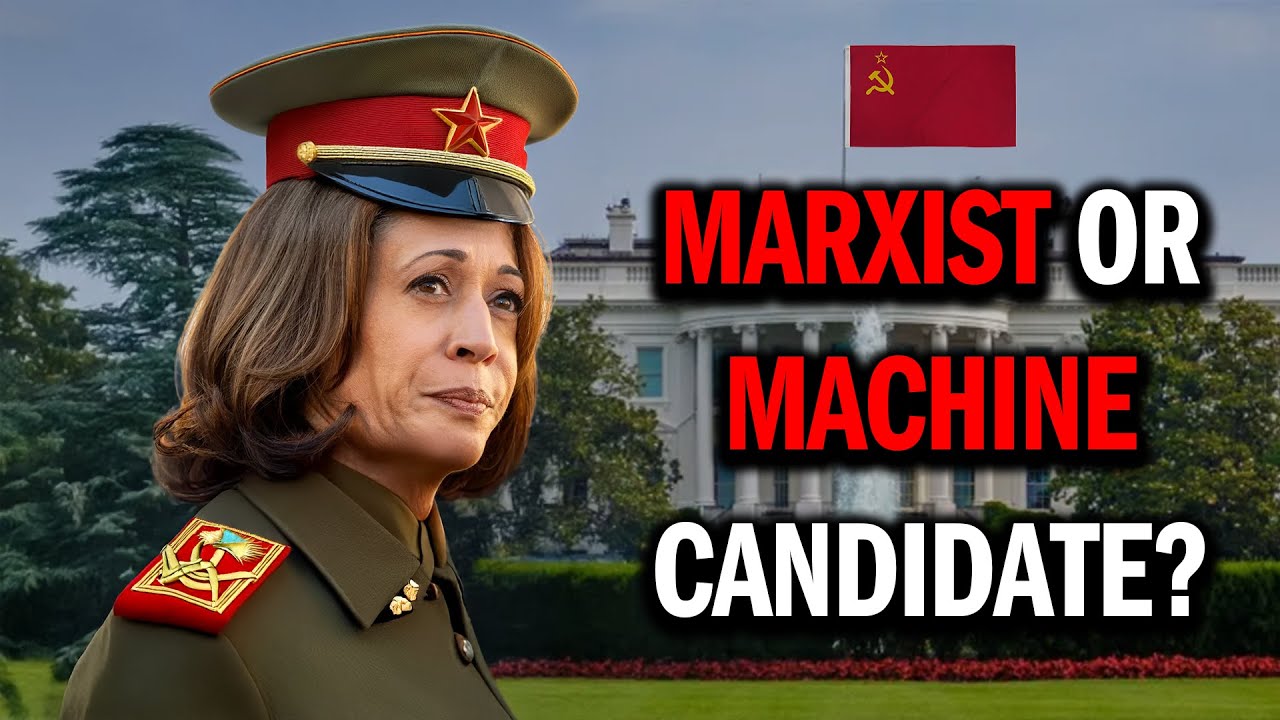
Provides a clear example of the 'New Right' intellectual framework which prioritizes systemic 'inertia' and institutional critique over traditional policy debate.
Kamala Harris: Marxist or Machine Candidate?
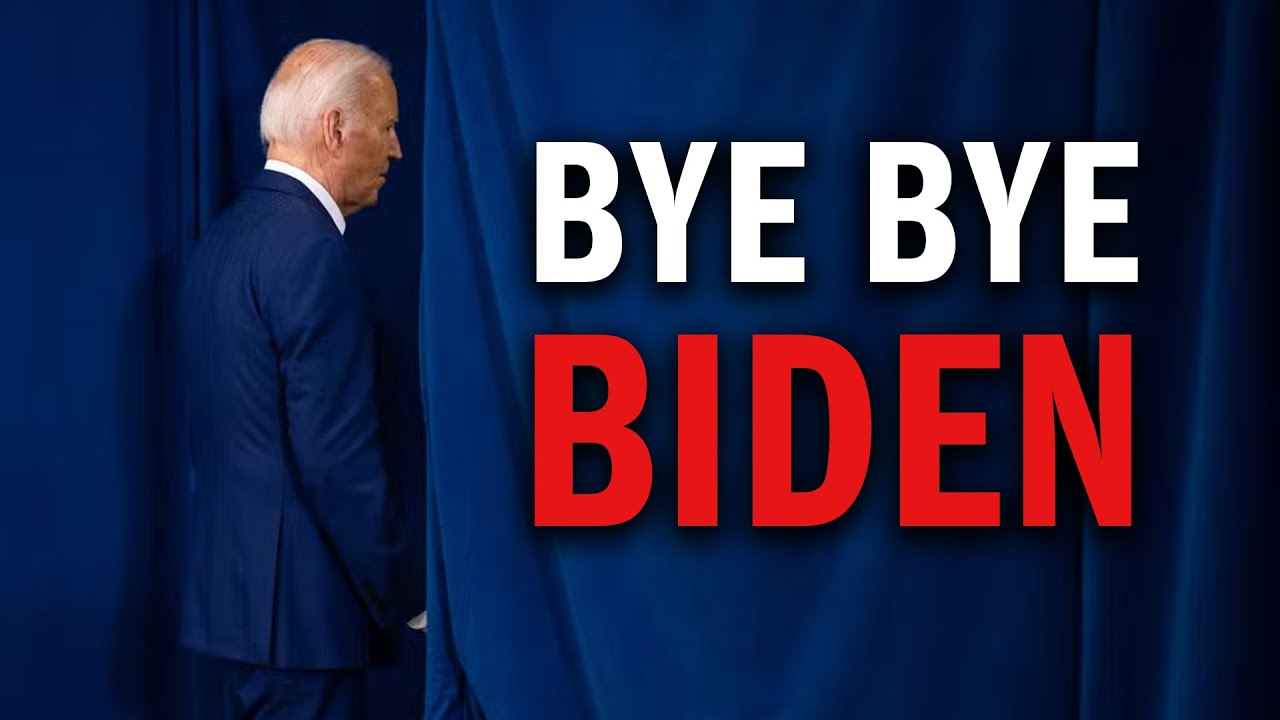
Provides a clear example of the 'populist outsider' rhetorical style and the specific arguments used to contrast the Trump and Biden presidencies.
NO MORE Declining with Biden!
Persuasion Dimensions
Most Used Techniques
Performed authenticity
The deliberate construction of "realness" — confessional tone, casual filming, strategic vulnerability — designed to lower your guard. When someone appears unpolished and honest, you evaluate their claims less critically. The spontaneity is rehearsed.
Goffman's dramaturgy (1959); Audrezet et al. (2020) on performed authenticity
Moral outrage
Provoking a sense that something is deeply unfair or wrong, activating a feeling that demands action — sharing, protesting, punishing — before you've fully evaluated the situation. It's one of the most viral emotions online because it combines anger with righteousness.
Haidt's Moral Foundations Theory (2004); Brady et al. (2017, PNAS)
Us vs. Them
Dividing the world into two camps — people like us (good, trustworthy) and people not like us (dangerous, wrong). It exploits a deep human tendency to favor our own group. Once you accept the division, information from "them" gets automatically discounted.
Tajfel's Social Identity Theory (1979); Minimal Group Paradigm
Viewer Guidance
Information is consistently shaped from one angle. Seek out how other sources present the same facts.
This content frequently uses emotional appeal. Notice when feelings are being prioritized over evidence.
People or groups are reduced to types. Consider whether the characterization serves the argument more than the truth.