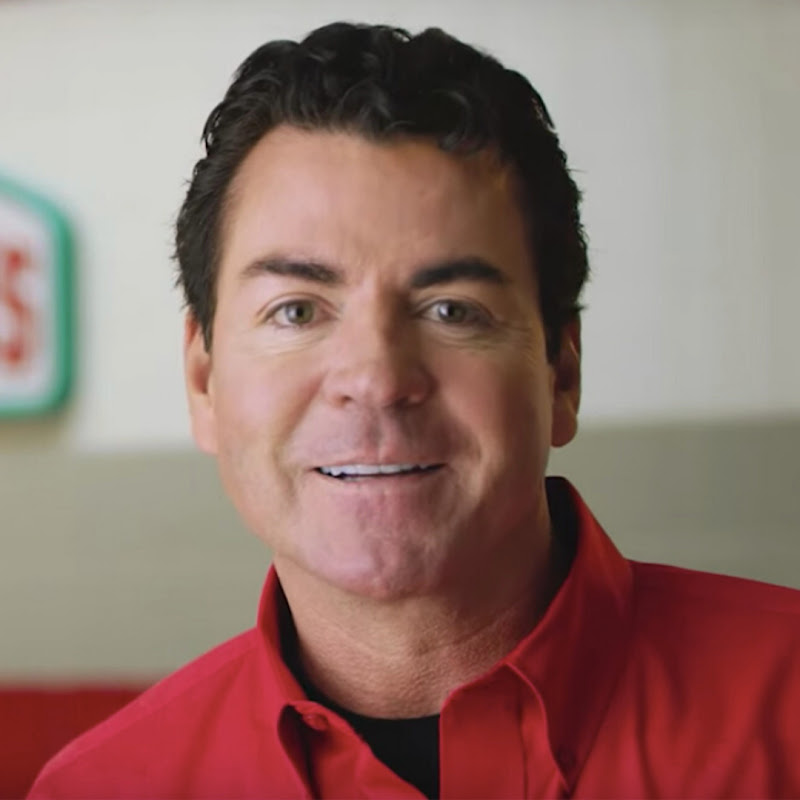
Papa John Schnatter
Executive Summary
🍕 Founder of Papa John’s Pizza 💪🏼 Fitness Enthusiast 🙏🏼 Proud Father + Grandfather Link to Instagram? TikTok and my website below:
Across 1 videos, this channel demonstrates moderate persuasion intensity, primarily through Us vs. Them. Recurring themes suggest consistent operative goals beyond stated content.
Key Metrics
Us vs. Them
Dividing the world into two camps — people like us (good, trustworthy) and people not like us (dangerous, wrong). It exploits a deep human tendency to favor our own group. Once you accept the division, information from "them" gets automatically discounted.
Tajfel's Social Identity Theory (1979); Minimal Group Paradigm
Channel Rating
Moderate persuasion used transparently. The channel is upfront about its perspective — this is rhetoric, not manipulation.
What's Valuable Here
Persuasion Dimensions
Most Used Techniques
Us vs. Them
Dividing the world into two camps — people like us (good, trustworthy) and people not like us (dangerous, wrong). It exploits a deep human tendency to favor our own group. Once you accept the division, information from "them" gets automatically discounted.
Tajfel's Social Identity Theory (1979); Minimal Group Paradigm
Viewer Guidance
Information is consistently shaped from one angle. Seek out how other sources present the same facts.
Arguments rely on assumptions treated as obvious. Ask what you'd need to already believe for the claims to land.
People or groups are reduced to types. Consider whether the characterization serves the argument more than the truth.