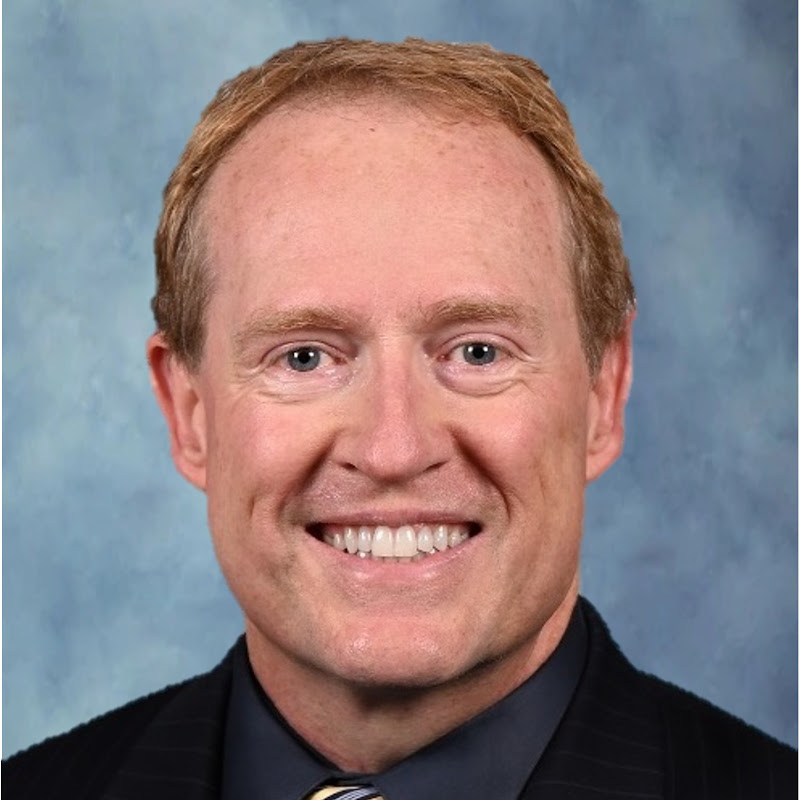
Douglas Schmidt
Executive Summary
The videos in this channel are based on lectures I've given at Vanderbilt and William & Mary. For more information please see www.cs.wm.edu/~dcschmidt You can also follow me on Twitter @DouglasCraigSc2 for periodic updates.
Across 1 videos, this channel demonstrates moderate persuasion intensity, primarily through Performed authenticity. Recurring themes suggest consistent operative goals beyond stated content.
Key Metrics
Performed authenticity
The deliberate construction of "realness" — confessional tone, casual filming, strategic vulnerability — designed to lower your guard. When someone appears unpolished and honest, you evaluate their claims less critically. The spontaneity is rehearsed.
Goffman's dramaturgy (1959); Audrezet et al. (2020) on performed authenticity
Channel Rating
Moderate persuasion used transparently. The channel is upfront about its perspective — this is rhetoric, not manipulation.
What's Valuable Here

Persuasion Dimensions
Most Used Techniques
Performed authenticity
The deliberate construction of "realness" — confessional tone, casual filming, strategic vulnerability — designed to lower your guard. When someone appears unpolished and honest, you evaluate their claims less critically. The spontaneity is rehearsed.
Goffman's dramaturgy (1959); Audrezet et al. (2020) on performed authenticity
Viewer Guidance
Information is consistently shaped from one angle. Seek out how other sources present the same facts.
Arguments rely on assumptions treated as obvious. Ask what you'd need to already believe for the claims to land.
This content frequently uses emotional appeal. Notice when feelings are being prioritized over evidence.