
AugustTheDuck
Executive Summary
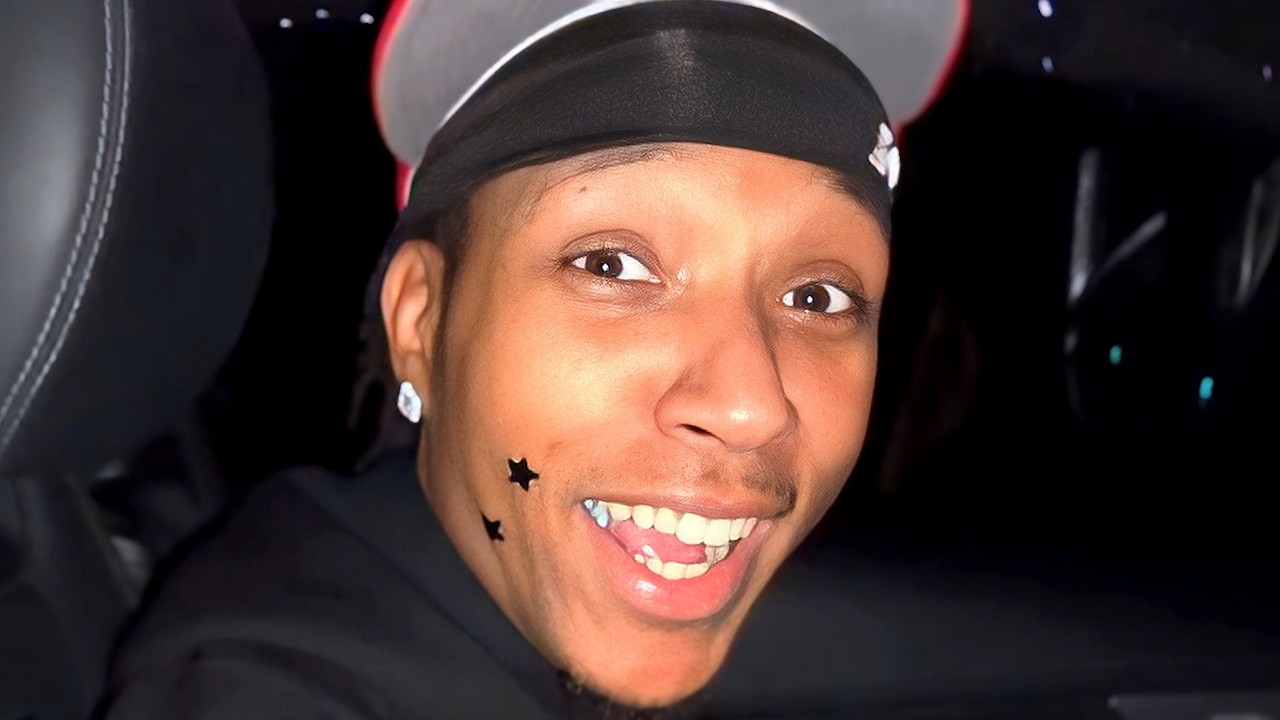
Just a guy who wants to share his opinions with the world. daily uploads at 5 PM CST I post what I want If you have something you'd like to hear my opinion on, leave a comment, I might just turn it into a video.
Across 10 videos, this channel demonstrates low persuasion intensity, primarily through Character flattening. Recurring themes suggest consistent operative goals beyond stated content.
Key Metrics
Character flattening
Reducing a complex person to one defining trait — hero, villain, genius, fool — stripping away nuance that would complicate the narrative. Once someone is labeled, everything they do gets interpreted through that lens.
Fundamental attribution error (Ross, 1977); Propp's narrative archetypes (1928)
Channel Rating
Moderate persuasion used transparently. The channel is upfront about its perspective — this is rhetoric, not manipulation.
Recurring Themes
AugustTheDuck operates as a 'common sense' filter for internet culture, using reaction-style commentary to validate the audience's frustrations with influencer narcissism and corporate absurdity. Regular viewers are encouraged to adopt a cynical, morally grounded skepticism toward mainstream digital trends and the perceived lack of accountability in the creator economy.
The channel positions itself as a moral arbiter against exploitative, illegal, or 'sickening' behavior, pressuring platforms for accountability while reinforcing the host's grounded perspective.
This theme focuses on exposing the perceived insincerity, forced apologies, and out-of-touch nature of high-tier celebrities and internet personalities.
The creator uses mockery and cynical commentary to entertain the audience by highlighting the absurdity of niche subcultures and corporate marketing blunders.
What's Valuable Here

The video provides a clear breakdown of how minor civil disputes can escalate into criminal charges through emotional dysregulation.
Imagine Catching a Charge Over Applebee's

The video provides a clear historical context of how the 2020 pandemic and influencer culture (e.g., Logan Paul) fundamentally altered the trading card market.
You Can't Get Any Lamer Than This..

The video provides a clear, albeit critical, look at how emerging AI technologies are being repurposed by individuals for parasocial and intimate fulfillment.
Humanity is Doomed and Here's the Proof
The video provides a valid critique of how live-streaming incentives can encourage dangerous real-world behavior and highlights specific instances of traffic law violations.
This Trend Is Going To Get Someone Killed

Provides a critical analysis of the 'true crime' content creator pipeline and exposes the technical manipulation (shadow jumping) used in 'paranormal' videos.
This is Actually Sickening

Provides a critical look at the 'low-effort' celebrity podcast trend and highlights the disconnect between celebrity self-perception and audience interest.
This is Why Podcast Equipment Should Be Illegal
Persuasion Dimensions
Most Used Techniques
Character flattening
Reducing a complex person to one defining trait — hero, villain, genius, fool — stripping away nuance that would complicate the narrative. Once someone is labeled, everything they do gets interpreted through that lens.
Fundamental attribution error (Ross, 1977); Propp's narrative archetypes (1928)
Intensity amplification
Inflating the importance, drama, or shock value of information using superlatives, alarming framing, and emotional language. Once your alarm system activates, you stop evaluating proportionality.
Cultivation theory (Gerbner, 1969); availability heuristic (Tversky & Kahneman, 1973)
Moral framing
Presenting a complex issue with genuine tradeoffs as a simple choice between right and wrong. Once something is framed as a moral issue, compromise feels like complicity and disagreement feels immoral rather than reasonable.
Haidt's Moral Foundations Theory; Lakoff's framing research (2004)
Performed authenticity
The deliberate construction of "realness" — confessional tone, casual filming, strategic vulnerability — designed to lower your guard. When someone appears unpolished and honest, you evaluate their claims less critically. The spontaneity is rehearsed.
Goffman's dramaturgy (1959); Audrezet et al. (2020) on performed authenticity
Viewer Guidance
People or groups are reduced to types. Consider whether the characterization serves the argument more than the truth.
Information is consistently shaped from one angle. Seek out how other sources present the same facts.
This content frequently uses emotional appeal. Notice when feelings are being prioritized over evidence.