
PowerfulJRE
Executive Summary
The Joe Rogan Experience podcast
Across 10 videos, this channel demonstrates moderate persuasion intensity, primarily through In-group/Out-group framing. Recurring themes suggest consistent operative goals beyond stated content.
Key Metrics
In-group/Out-group framing
Leveraging your tendency to automatically trust information from "our people" and distrust outsiders. Once groups are established, people apply different standards of evidence depending on who is speaking.
Social Identity Theory (Tajfel & Turner, 1979); Cialdini's Unity principle (2016)
Channel Rating
High-intensity persuasion, but relatively transparent about it. Strong opinions stated openly — evaluate the arguments on their merits.
What's Valuable Here
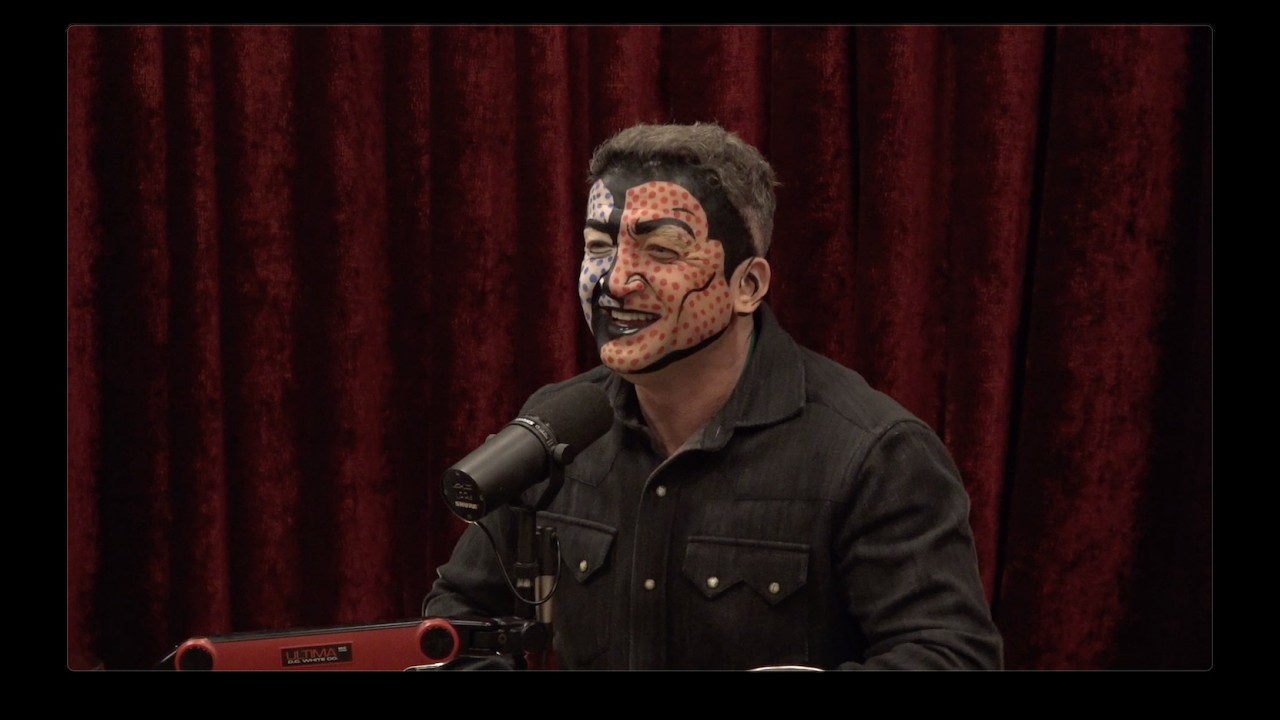
The video provides a candid look at how cultural commentators process high-profile news documents and their concerns regarding the psychological impact of AI.
Joe Rogan Experience #2457 - Michael Malice

The video provides interesting behind-the-scenes details on the physical demands and technical 'one-shot' filming techniques used in modern action cinema.
Joe Rogan Experience #2464 - Priyanka Chopra Jonas

Offers a candid look at the anxieties of middle-aged men regarding health, aging, and the overwhelming nature of the modern digital information cycle.
Joe Rogan Experience #2458 - Matt McCusker

Offers a candid look at the psychological toll of fame and the evolution of a long-term entertainer's relationship with their audience.
Joe Rogan Experience #2463 - Steve-O

Provides a candid look at how high-profile public figures process and debate controversial current events through a lens of extreme skepticism.
Joe Rogan Experience #2459 - Jim Breuer

Provides a detailed legal perspective on the history of vaccine liability law and the specific mechanisms of the 1986 National Childhood Vaccine Injury Act.
Joe Rogan Experience #2462 - Aaron Siri
Persuasion Dimensions
Most Used Techniques
In-group/Out-group framing
Leveraging your tendency to automatically trust information from "our people" and distrust outsiders. Once groups are established, people apply different standards of evidence depending on who is speaking.
Social Identity Theory (Tajfel & Turner, 1979); Cialdini's Unity principle (2016)
Performed authenticity
The deliberate construction of "realness" — confessional tone, casual filming, strategic vulnerability — designed to lower your guard. When someone appears unpolished and honest, you evaluate their claims less critically. The spontaneity is rehearsed.
Goffman's dramaturgy (1959); Audrezet et al. (2020) on performed authenticity
Strategic ambiguity
Leaving claims vague enough that different audiences each hear what they want. By never committing to a specific, falsifiable position, the speaker avoids accountability while supporters project their own preferred meaning.
Eisenberg (1984); dog whistling research (Mendelberg, 2001)
Viewer Guidance
People or groups are reduced to types. Consider whether the characterization serves the argument more than the truth.
Information is consistently shaped from one angle. Seek out how other sources present the same facts.
Arguments rely on assumptions treated as obvious. Ask what you'd need to already believe for the claims to land.