We can't find the internet
Attempting to reconnect
Something went wrong!
Attempting to reconnect

Communication Profile (across 10 videos)
Stated Purpose
Wasn't technology supposed to make the world a better place?
Operative Pattern
Across 10 videos, this channel demonstrates low persuasion intensity, primarily through Performed Authenticity. Recurring themes suggest consistent operative goals beyond stated content.
Avg Intensity
Avg Transparency
Top Technique
Performed authenticity
The deliberate construction of "realness" — confessional tone, casual filming, strategic vulnerability — designed to lower your guard. When someone appears unpolished and honest, you evaluate their claims less critically. The spontaneity is rehearsed.
Goffman's dramaturgy (1959); Audrezet et al. (2020) on performed authenticity
Persuasion Dimensions
Per-Video Operative Goals — detected in individual analyses

The video aims to persuade viewers to adopt a 'digital minimalist' or 'indie web' philosophy by romanticizing the early internet and framing modern web architecture as a historical mistake.

The content aims to deconstruct the marketing myths of the VPN industry and encourage viewers to support the creator's independent work via Ko-fi rather than through VPN affiliate links.

The content aims to validate the viewer's frustration with modern advertising to encourage the adoption of privacy-focused tools and alternative creator support models like donations.
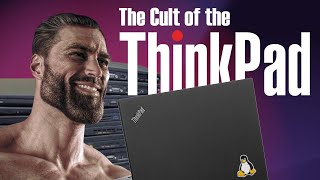
The video aims to explain the cultural phenomenon of ThinkPad fandom while reinforcing the creator's brand as a tech enthusiast who values repairability and open-source software.
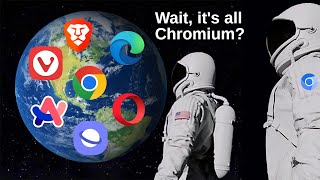
The video aims to persuade viewers to switch to Firefox by framing the dominance of Chromium as a dangerous corporate monopoly.
What's Valuable Here

The video provides a clear technical history of how early web publishing evolved from manual HTML to automated CMS platforms like Movable Type and WordPress.
How Blogging Ruined the Web
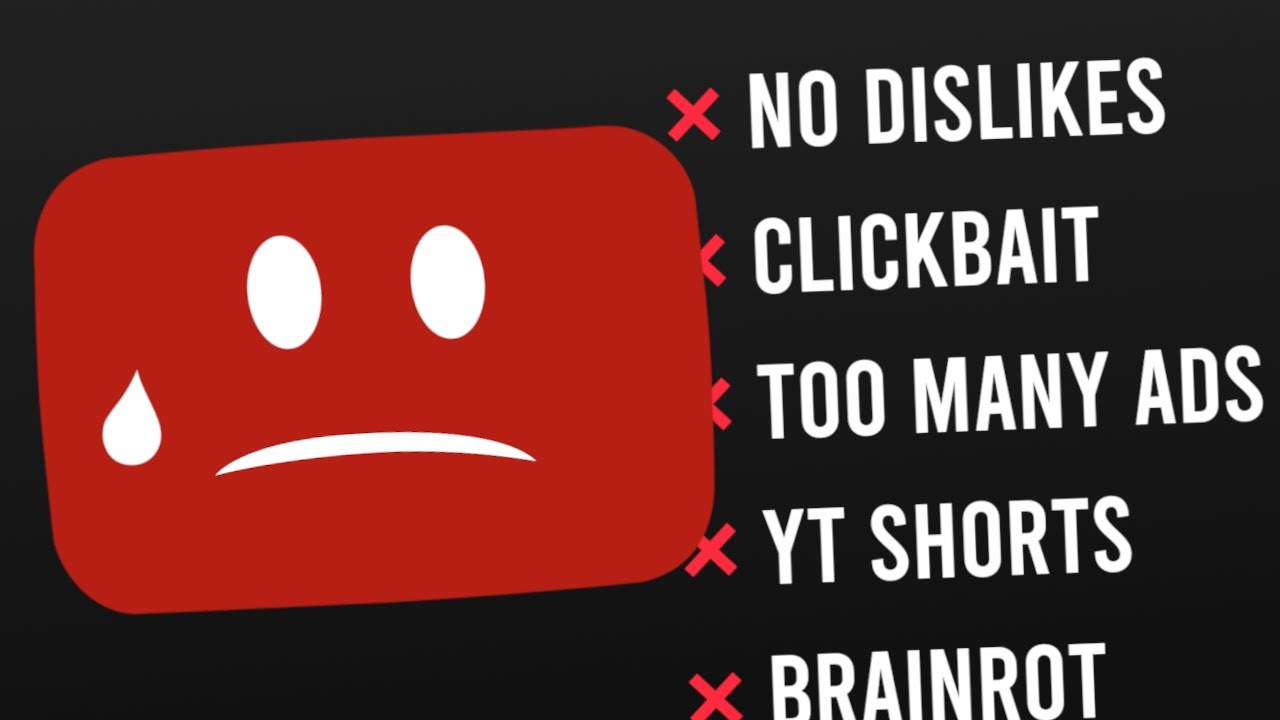
This video is a highly practical, step-by-step guide for users who want to customize their web experience and regain control over their digital environment.
YouTube sucks now. Here's how to fix it.

Provides a concise history of the transition from IBM to Lenovo and explains why specific older models like the T480 remain popular in the secondary market.
How ThinkPads Became The Internet's F...

Provides a grounded, practical critique of the 'accidental design' trap in open-source projects and offers constructive solutions based on the Blender model.
Why Are Open Source Alternatives So Bad?

Provides a highly practical framework for 'threat modeling' that helps beginners avoid the common trap of perfectionism in digital security.
"Caring about privacy almost ruined m...

Provides a practical demonstration of how 'malvertising' and fake search results can compromise security, which is a genuine public safety concern.
Online Ads Are Getting Out of Control
Viewer Guidance (2 tips)
Watch for emotional framing
This content frequently uses emotional appeal. Notice when feelings are being prioritized over evidence.
Consider alternative frames
Information is consistently shaped from one angle. Seek out how other sources present the same facts.
Technique Fingerprint (from knowledge graph)
Performed authenticity
AI detected as: Manufactured Authenticity
The deliberate construction of "realness" — confessional tone, casual filming, strategic vulnerability — designed to lower your guard. When someone appears unpolished and honest, you evaluate their claims less critically. The spontaneity is rehearsed.
Goffman's dramaturgy (1959); Audrezet et al. (2020) on performed authenticity
Us vs. Them
AI detected as: Identity-based Tribalism
Dividing the world into two camps — people like us (good, trustworthy) and people not like us (dangerous, wrong). It exploits a deep human tendency to favor our own group. Once you accept the division, information from "them" gets automatically discounted.
Tajfel's Social Identity Theory (1979); Minimal Group Paradigm
Us vs. Them
Dividing the world into two camps — people like us (good, trustworthy) and people not like us (dangerous, wrong). It exploits a deep human tendency to favor our own group. Once you accept the division, information from "them" gets automatically discounted.
Tajfel's Social Identity Theory (1979); Minimal Group Paradigm
Performed authenticity
The deliberate construction of "realness" — confessional tone, casual filming, strategic vulnerability — designed to lower your guard. When someone appears unpolished and honest, you evaluate their claims less critically. The spontaneity is rehearsed.
Goffman's dramaturgy (1959); Audrezet et al. (2020) on performed authenticity
Similar Channels (shared influence techniques)
Featured People
Analyzed Videos (10)

"Caring about privacy almost ruined my life."
179.1K views
How Blogging Ruined the Web
31.7K views
The Shady Business of VPNs
69.7K views
Is it impossible to be private online?
110.6K views
Online Ads Are Getting Out of Control
241.9K views
How ThinkPads Became The Internet's Favorite Laptop
2.5M views

Why Are Open Source Alternatives So Bad?
852.2K views
How Google's Chromium Took Over the Browser World
386.0K views
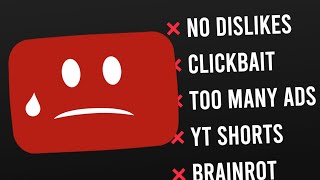
YouTube sucks now. Here's how to fix it.
90.8K views

Does Apple REALLY care about your privacy?
44.0K views