We can't find the internet
Attempting to reconnect
Something went wrong!
Attempting to reconnect
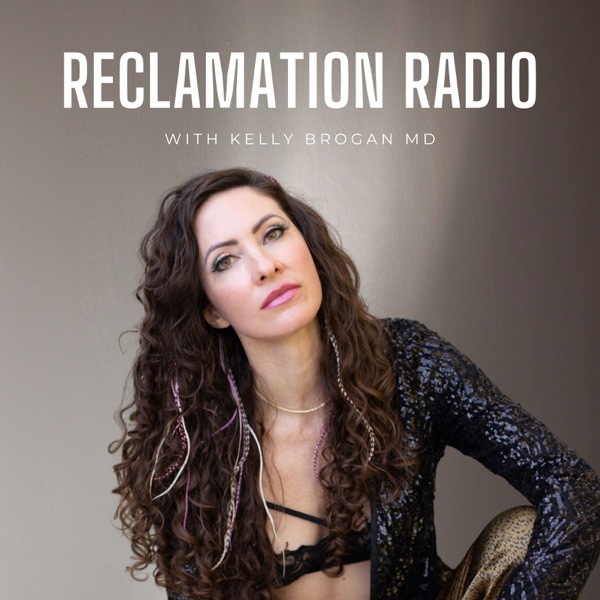
146: This Nervous System Regulation Method Will Change Your Life FOREVER | Yerasimos Stilianessis
Reclamation Radio with Kelly Brogan MD · 1:08:57 · 224d ago
"Be aware that the host's personal endorsement of the guest as an 'extraordinary template' leverages parasocial trust to make his somatic and human design insights feel like proven personal recommendations."
Transparency
UnknownPrimary Technique
The episode features host Dr. Kelly Brogan interviewing guest Yerasimos Stilianessis about his journey from Greek diner culture and activism to somatic practices, human design, and nervous system regulation for better relationships and authenticity. Beneath the surface, parasocial leveraging via the host's effusive praise builds trust in the guest's template for 'holding truth with lightness,' transferring credibility to his methods without overt sales. No major covert mechanisms; techniques are mostly transparent personal storytelling.
Worth Noting
Guest's insights on using acting training for parts work and somatic awareness provide specific tools for emotional regulation in relationships with differing worldviews.
Be Aware
Parasocial leveraging via host's fawning introduction transfers her credibility to guest's methods, making them feel like trusted friend advice.
Influence Dimensions
How are these scored?About this analysis
Knowing about these techniques makes them visible, not powerless. The ones that work best on you are the ones that match beliefs you already hold.
This analysis is a tool for your own thinking — what you do with it is up to you.
Transcript
The privilege of a lifetime is becoming who you are. What's the process of getting to that place? I think radical self-honesty has to play a role. I'm aware of the dark parts of me, the parts that can lie, cheat, steal, fantasize about killing someone because they wronged me. Becoming yourself, fully yourself, as best as you can, is the spiritual mission. Spirituality isn't, let me go sit on a mountain somewhere and meditate and dissolve into the oneness of the world. Our life is an accumulation of every choice that we've made in our life. If you have a system that can shine a light even 30, 40% to help you make decisions that are a bit more correct for you, it's pretty cool to think about how your life can end up. Hi, and welcome back to Reclamation Radio. I am Dr. Kelly Brogan. And today I sit down with a friend and ally who I sort of joke is like Prince, like he just goes by your awesomeness. That's all you need to know. And I think he's like pretty much the only one, at least in our shared space. And I wanted to talk to him because he is one of the very few men out there. You know, he's got his own podcast. He co-hosts called Here for the Truth. I've been blessed to join them several times. And he really embodies the truth in a way that is quite rare in this space. His level of somatic awareness, his level of lightness and humor. I just feel like he's an extraordinary template for how to hold the truth with an open heart, with lightness, how to marry the pillars of autonomy and connection in dynamics. So we talk about the best tools for that and how to navigate when you are efforting towards connection with someone who does not see the world the way you do, which is a very common question that I get. You know, how do I navigate with my family? How do I get them to see? How do we get on the same page if we're coming from completely different worldviews? We specifically touch on human design, on acting and performance and theater, and the psychological nuances therein on somatics and the requirements for this embodiment journey, particularly, I think, for a man. And you'll also learn some fun facts about the relevance of Greek diners in New Jersey to both of us. Enjoy. Welcome, Erasmus, to the show. Thanks for having me. I'm looking forward to this chat. So we need to start at the beginning. And for whatever reason, I don't love starting podcasts with like, tell me your story. That's not super compelling to me. So I usually have an agenda and I go in with my very pointed, direct questions. But in your case, I really do want to start at the beginning because you and I share some fun fact, historical details, which include growing up in Greek diners. In New Jersey. Okay. So I cannot tabulate the number of hours that I spent on Route 17 with my homies in Greek diners eating, you know, gravy, fries, and Jell-O with whipped cream and grilled cheese. We would intersperse like friendlies in there. If you remember friendlies, I'm sure that was like a competitor. There was one in my town. And, you know, to know that you, I mean, you were much deeper in that world, but to know that you are familiar with that culture just warms my heart. And so I want to start with your time in Greek diners in New Jersey, growing up, and track along to the heart-led activists that you've become. And I'll use that phrase very lightly. I want to unpack even what that means today to you, because I feel so much similitude in our journeys. And, you know, my mom is Italian, so I have, you know, sort of even the generational immigrant, like, overlap. And I've watched you, you know, over these couple of years since learning about your and Joel's podcast, here for the truth, really come into a level of realness and authenticity that makes you one of my favorite people in the world. I mean, you're just impossible not to love and everyone who ever interacts with you feels that way. So it's a pleasure to have you here. And I'm going to hand you the mic because I want to hear about the hero's journey from Jersey to the modern day. It's wild. Well, first of all, thank you for saying those words. I really appreciate them coming from you because I have utmost respect for you and the work that you've done. that you continue to do. So thank you for that. And I just love that you're from Jersey. And I love that you know about diners because people that don't live in Jersey, they don't really understand diner culture. Sure, New York has its diners and other places, but Jersey, there's something about it. And so, yeah, I grew up in the diner business. My parents were both, you know, Greek immigrants. You know, my dad came to this country with nothing and built up a successful restaurant business. And, you know, growing up in it is pretty interesting. And the thing is, too, who is, and I'll just jump right into this because there's so many areas I can go with this story. Most immigrants, they want their child very often to follow the status quo. Do the right thing. Be a doctor, a lawyer. Become a doctor, exactly, or a lawyer. Or do whatever the case may be. And sure, I had some of that pressure from my parents. But I think even from a young age, there was something really driving me towards being extra curious about how the world was and who was I as an individual? You know, that eternal question, who am I? And how do I want to spend my life? So sure, I did well in school and I got the grades. But for me, I just couldn't go down that straight and narrow path. I did it right after college. I worked for two years. And this was 2004. And I just said, F it. I'm going to jump into the unknown. I packed a suitcase full of books. And I went to my parents' home in Greece. They have a place in Greece. And I did nothing but for three months, I did nothing but read books and take that time, because I think that's a big piece when we talk about figuring out who you are, what you want, what your purpose, what your values are. You need time for that. like if you're just on the hamster wheel, like taking off the next box, the next box, like where do you have that space to go inwards, to contemplate, to be in nature, to be stimulated in that way, to ask these deep, you know, existential questions. So I think that's what it was for me. That was a big turning point in my life. Well, I guess the first one was I, you know, put a backpack on after college and backpack Europe by myself for two months. And so again, that was part of it. I think travel and being on my own was a big piece of my own personal journey. And then my path took a lot of different directions. I was really into cinema and performance and storytelling because when I was younger, we watched these movies and we'd get taken on these emotional journeys. And I loved being taken on these journeys. And for me, I was like, I want to give people that. I want to have the capacity to use myself to tell stories to impact people on an emotional level. And so I got deep into acting training for years and that was when I was actually first introduced to like deep consciousness and psychological work my first acting mentor this was like in the mid-2000s he was um he was influenced by Drs. Hal and Sidra Stone they created something called voice dialogue like psychology of selves and the aware ego so it's a form of parts work and so I fell in love with that stuff because I was like whoa so I don't have to just like live out the conditioning of like my parents and society and the people around me, like there's more to who I am than just like, you know, who I like evolved into at that time. And so obviously from a storytelling standpoint, the more aspects of yourself that you have access to, you know, the more, you know, characters that you can empathize with and connect to. But from a personal standpoint, it just helped me in life. It helped me to like project less and helped me to dance between the light and the dark. And I really enjoyed that aspect of it. So that's more on the personal development side. But in terms of like really standing for truth and being curious on what's going on in the world. I mean, 9-11 did it for me. I was probably two years after that, 2003. I don't know when like all the documentaries started coming out, but I started watching them and being like, wait, what? Is this true? Are we being lied to, to this degree? And then you just pull on the threads. You know, you pull on the threads of the things that interest you. At least that's what it was for me. And that led me to, in 2005 reading um dr kerry molis's autobiography dancing naked in the minefield and so i read a whole chapter on hiv aids and that in that book and i went wait who's who's peter duisberg who's stefan lonka who's david rasnick who are these people that are challenging this narrative that's been going on for 30 years um and my eldest half brother who passed away in 2008 he had been diagnosed with hiv so when i first started getting into this information i was like let me change his mind let me show him the light now when i was reading that stuff they weren't talking about like you know no virus or terrain theory was more just like hey hiv does not um cause aids and there's all factors for it so again it's like this one thing leads to the next thing and you start seeing this incestuous relationship between like media the scientific establishment allopathic system government and you know i think i started kind of like sharing things on social media initially back then and got a lot of pushback and then continued to sharpen my sword. You know, because I think part of this truth seeking a truth telling journey, like you have to put yourself out there and then you get responses from your environment. And that kind of determines how you then move forward and how you relate to yourself. And so I remember the first time I posted was something about vaccines and people started coming on my page and like, I felt this pit in my stomach. I'm like, well, what is this? Like, what's going on inside of me? Like, am I experiencing fear? How do I move through this? So, yeah, it's just been this like journey of self-education of, I guess, going towards things that I thought were interesting and I was curious about and talking out about it. And now I don't think I spoke out about it to the degree that maybe some other people do, but definitely in my personal sphere and my relationships and online occasionally. But then like over time, you know, let's fast forward to now. I mean, post post 2020. I mean, 2020, it's like we were on the front lines. I mean, I must have been posting like 30 memes a day, you know, like the front line. Yeah. And then it got to this point where it's like, you know, what really matters in my life? and am I allowing my mind to be pulled towards things that don't ultimately matter? And I'm not saying stick your head in the sand and be completely clueless to what's going on. But I'm trying to be a man in this world. I'm trying to improve as a man. I'm trying to be a good partner, a good husband, a good friend, a good son, and support the people in my life that I want to inspire. And if I'm getting if I'm giving all my energy away, it's all this stuff that's happening all across the world, everywhere. That's being amplified by media, mainstream, alternative social media. Like, what does that say? You know, what does that say about me as a man? Like, I'm just getting distracted every direction and can't just stay focused on my deep rooted values. so it's been a pretty cool journey to um of self you know to i mean i'm sure you can relate like seeing who you were 10 years ago 20 years ago 20 years ago five years ago and today and like there's times where i'm online and i see someone say something or post something and i have that like that hit from that old part of me that's like i need to go in there and prove them wrong and tell them what I know and hear myself speak. And I just go, but I don't really, it doesn't matter to me because I'm choosing to live according to my highest values as best as I can. And, you know, there's 24 hours in a day. I'm going to spend five of them, like, arguing with strangers and getting all worked up about things that, like, I know what I know. I believe what I believe. And I'm living my life according to that. And of course, I'm open to things shifting and changing as I move forward. But I just feel like we see this in our environment, the truther world, where people are still behaving at the same level of consciousness that they were behaving at during 2020. And that's not something that I wanted for myself. It's not something that Joel's about. It's not something that the people that get attracted to are community friends of the truth and in our program Rise of the Herd. They're on a similar page. They want to dive. They're here for the truth, sure, with things that are happening in the world. but primarily like what's happening within themselves and who are they on the deepest levels and what's their mission? What's their purpose? How do they want to grow? How do they want to embody that gift? You know, it's like, I don't know. It's a quote that's attributed to, it's attributed to Young sometimes, but I think it was Joseph Campbell. And it's, you know, the privilege of a lifetime is becoming who you are. And so, you know, what's the process of getting to that place? And are you putting the attention and the gaze inwards, or you constantly focus externally with the happenings of the world. And so that's kind of where I'm at now, where it's, I'm much more geared toward peace, harmony, collaboration, contentment in my life, as opposed to just arguing for arguing sake, or to prove to myself or to get validation that like, oh, I know things and I'm showing people that I know things. Now, for some people, maybe that's their highest value. They're activists. They're doing their thing. Cool. But I recognize that within myself. That's not it. I want to be in my garden. I want to plant fruit trees. I want to hang out with my cats and my dog, my wife. We just moved my mother in a few months ago after the passing of my father last year. And so that's my focus. And perhaps a child one day, if that works out. So yeah, that's kind of where I'm at right now. Yeah. It's funny because I often say that my shadow lives under the banner of, I'll get you to see. And when you've been gifted certain gab and yap related skills, it can become very tempting to spend a lot of your time getting people to see. And the energetic dynamics of that, as you're referencing, are the victim triangle. It's the leaking, the leeching of your energy from the creative life force that otherwise would be directing the focus of your life. And so it's almost like the shift is from I'll get you to see to like, I'm ready to see, you know, like meaning like internally. And I know that a lot of your interests, whether it's somatics or parts work or human design, are all about that self-discovery journey. And part of why I love talking to you about this is because certainly I relate. And I also hear you when you say, I'm trying to be a man in the world, right? And how it reads to a woman's biology to witness a man who's like red in the face, you know, like spitting about how bad the government is or how persecuted we all are and oppressed or whatever. And it's, again, not that there isn't a role for that. It's not necessarily a judgment. I just am interested in the biological response that a lot of us women register. And it's part of why, you know, listening to you talk about with your eyes open, how you relate to what's up out there. right you mentioned sort of the the story behind the story of beginning with 9-11 right let alone the pandemic and there's just a way that you are able to hold it that feels relaxed and i think that if we want to call it nervous system regulation emotional regulation as it attends awareness we feel that right as like a community we can register that very differently and i often reference this time that my daughter this was a couple years ago that my daughter I don know what I was talking about probably fucking chemtrails or something And my daughter was like mama you scared of so many things right And here I am thinking I'm this like valiant Joan of Arc warrior, you know, pattern disruptor for my lineage. And she's reading it in her body as I'm afraid. I didn't feel consciously afraid, but of course that's, you know, it's like out of the mouths of babes. It's really interesting to me, too, that when I think about our mutual friend, my best friend, Tara, you know, we grew up together. And when I think about like she's in touch with a lot of our Ridgewood, like New Jersey cohort. Right. And many, many, many of them are what you would call like truthers. And most of them are second generation kids. Right. Because people think of I think a lot of people assume New Jersey is like just like a bunch of white people. I don't know what people think, but most of our public school was second generation kids from like all over. And I find it super interesting. Like, I wonder what it is about second generation folks in America now, like our generation who have taken a different lens to things, a different than anticipated lens, which is, as you suggested, just sort of like comply and establish status, you know, in this new country. Make it worth it that I left the motherland, you know, all of that, because it's notable. It's notable to me that somehow, you know, you were cooking pretty much like 10 years before I even, you know, thought about any of this. So you are really on like the cutting edge. But it's really interesting to me, especially about the AIDS denialism. I was on the cover of page six once because I went to this Gwyneth Paltrow event. I was invited to be on a panel with like all of these conventional doctors. I have no idea why this was in New York. And I ended up on the cover of page six. At least it was like kind of a cute photo. And it says AIDS denialist goes to goop event or something like that. This was like not even that long ago. It was before I left New York. So yeah, I managed to get swept up with that tide as soon as I open my mouth about it. But I love our shared trajectory here. So I want to talk about this holding of both your own autonomous experience. Because my understanding is that men require a lot of time alone, right? Like a lot of solitude, a lot of what seemed to come naturally. I don't know anybody else who took three years to just discover and explore. I mean, we probably all could have benefited from that, but that's extraordinary. So how do you find that you can strike the balance between that kind of autonomy and connection dynamics? Like you mentioned, so many relationships that you're also nurturing and feeding and taking responsibility for in your life. Because I think that this like autonomy, connection, dual pillars of intimacy thing is where most of us get lost in, if we want to call it the truth movement, because our autonomy, our sovereignty becomes paramount. And we don't have the soft relational skills, most of us, I'll speak for myself, around valuing connection, let alone supporting it across the divide, right? Like across divergence. and that's why we end up in a lot of these kinds of silos, right? Most of us have communities, even you do, that we nurture because it feels really good to be around like-minded and hearted people. And it's not to say that that isn't 1,000% natural. It's just that the soft relational skills combined with the maturation of your I am, right? Like your autonomous individual convictions seems tough to balance. Like, have you struggled in your personal or professional life with that balance? Or is it has it been maybe even from your acting career that you have this emotional intelligence that allows you to relate to people who just don't see what you see? You know, I think it takes time. you know i don't think all of a sudden you're gonna like be awakened to something in the world and then immediately be like high level emotional intelligence nervous system regulated so you can respond appropriately to things it takes time and don't get me wrong i have my moments you know like ask my wife you know like i'm very fiery and passionate too so i can go off on my rants but again like having a moment at home versus how you also like interact with people and in community is different. I don't know if my Gemini nature has instilled some baseline communication skills. Having loving parents, I think, helps to build a certain baseline of, I don't know, good emotional health, which I think has helped me. And again, over the years, I was really into parts work. Like parts of work was my initial my initial kind of foray into personal development work. It wasn't like, oh, I got really into New Age spirituality and read like, you know, the power of now. Like I was really interested in the architecture of the psyche and how it related to me and how it impacted intrapersonal relationship with myself, obviously, and interpersonal relationships. and so I think having that ability to kind of hold space for opposites within and dance with them has allowed me to you know over time just become more comfortable because it's not like a conscious process after a while like you're living your life you're doing the work you know you're receiving a lot of body work you're you're you're learning about nervous regulation you're going through your own process to like build more capacity within your nervous system you're learning about human design, at least for myself, and learning about my unique authority, where it's important for me to wait before making decisions or reacting. In order to do that, you need to be able to have some space between stimulus and response. And so I think it's just been this process over time where then I'm just living. I just go out and live and someone reacts a certain way and then there might be a moment where an old pattern wants to come in and, you know, yell at the person or like beat them over the head with knowledge. And then there's something else like, well, this doesn't matter to me. I'm going to go on and continue my day. So I think like it's just a it's a process of putting your time and energy into inner work, whatever that means. You know, obviously, there's so many modalities out there. There's so many systems out there. But at the end of the day, the highest value for me has always been self-knowledge. I mean, not always, not when I was like four years old, but you know what I mean? Once I became like more of an adult, it was the highest value for me. And, you know, the great Greek philosopher Aristotle says, knowing yourself is the beginning of all wisdom. And so, you know, that landed for me when I came across that quote. And so I was just really curious about my inner life, why I behave the way I behaved. You know, I mean, even like in my early relationships, you know, in my 20s, like I wasn't like I thought I was a good boyfriend, but I I had patterns that were an ideal. Like I grew up with a really like stoic, like old school Greek dad, which was good in some ways. But also like my dad would like shush my mom, you know what I mean? And in ways that like, you know, I would notice myself doing those things. And then I go back home for dinner and see my mom, my dad do it to my mom. And I'm like, Oh, fuck. I do that shit. And then you go, well, I don't want to be the person that does those things. So what do I need to do to not do those things? And so, you know, as I, as I live right now, it, I do my best to have balance between sharing things and talking about things that are happening in the world. But ideally the things I care about most is guiding people and inspiring people to, again, like I said earlier, turn that gaze inwards. And yes, I was fortunate. I had three months of backpacking through Europe. And then in 2008, I took all my savings and backpacked around the world for a year and traveled and loaded up my first generation Kindle with 40 books and sat in parks all day and read books and contemplated and reflected. And not everyone can make that time for themselves. and at the same time you don't need three months you don't need a year to backpack you know you can take moments out of your day you know how much netflix are you watching how much time are you doing scrolling on instagram you know and you have to really work hard against these you know the way our our psyches have been hijacked to turn towards these things and again i've been i binge watch netflix again i'm not sitting here saying like i'm perfect and then i have it all figured out. But you have to first have the self-awareness. That's one. But self-awareness doesn't then mean you're going to change your action. That's the difference between just awareness and being more conscious and having the ability to choose differently. That's the difference. And when you start seeing, oh, for years I would react this way, but now I'm not reacting this way. And so that light bulb goes off and you're like, okay, I'm noticing shifts and changes. And it can't just be a cerebral act. This is why I'm such an advocate of somatic work. I was a body worker for years is like so much lives in the soma you know our history our past the traumas we've experienced you know what's our baseline state you know are we stuck in a certain state do or do we have more capacity to react more appropriately like there's a time to go into sympathetic but then once the threat or the stimulus is passed do you then come back to a baseline and can go through your day or you know some event happens someone says something to you and you're just like out of whack for a week you know and so again it's been a process and i think radical self-honesty has to play a role like i i do my best to go in front of my mirror and ask myself like where are you fucking bullshitting yourself you're asemos you know because it's easy i think sometimes when like you learn things and you can read stuff and study you almost like have this part that can play a role of like oh i'm smart and conscious And I know what to say and do at the right time to come across a certain way. And it's like, okay, cool. I might help you in certain things, but are you being real? Does that make sense? Of course it does. And you say you don't have it figured out, but the reason I'm literally having this conversation with you is because I can feel in my system that you have figured out more than most in this arena. And it makes so much sense that you're focused on, first of all, not only your experience in the acting world. I mean, I think that's such a relevant point of departure for you, but also your work in parts work and somatics. This is how you've gotten to the place where you can emotionally regulate around your triggers, around your potential reactivity and maintain a level of awareness, right? Because part of what I am grappling with, I guess, at this stage in my life is like, I could not be less interested in what's in the news or trending. Like I literally don't even tell me. I don't care. I assume it's all theater and crisis actors and whatever else. False flags. I'm not interested. And so then there's this part of me, right, that says, yeah, but this is just an easy way for you to disconnect from the collective. It's an easy way for you to self-isolate. And I think that parts work, I wonder what you think about parts work and activism, because parts work has helped me profoundly to, in a very compassionate way, expose the shadow of my own activism, right? For me to see what parts were responding to old hurts, okay, from decades and decades ago, and acting that out on the world stage, literally, like in my case, as one of the disinformation doesn't, right? Congratulations on that, by the way. Well, you know, when I look at it now, I just sort of laugh because I'm like, I know the part who was pulling those strings. And whatever was going on in the world, while captivating, while compelling, while even important, it had nothing to do with my covert intentions and motivations, which were all rooted in a very remote past. Okay, so if you don't know parts work, if you haven't been exposed to this concept that there are different aspects of ourselves that guide our behavior and that often we're not aware that they're doing what they're doing for a good reason. Like how might you explain to somebody that the motivations to speak the truth, to share the truth, to educate the ignorant out there, to even like save the world could be deeply rooted in old hurts. Like, how would you, how have you experienced that? Like, how would you explain that to somebody assuming you agree that it's even relevant? So if you have a parent or an aging loved one who is struggling with balance, joint stiffness, or simply getting around, you may have wondered what you can possibly do to support them. And I believe that I have found the solution for our parents if you are in my generation. So Juvent's micro impact platform is one of the most effective and science backed ways to improve mobility because it delivers precise low magnitude vibrations through the soles of the feet that improve circulation and help maintain stability. There's no sweating. There's no strain. You literally just stand on it for 10 minutes a day. I speak to the Juvent CEO, Rush Simonson, in episode 114, and I learned that his own mother, who was in her 90s, went from bedbound to fully mobile with this simple daily routine. So if you want to be sure that somebody that you love stays healthy and independent, go to Juvent.com forward slash Kelly Brogan and use the code Kelly300 for $300 off at checkout. you can bring this incredible science-backed tool into their lives. And I think it's one of the most thoughtful and powerful investments that you can make in their well-being. So again, it's Juvent.com forward slash Kelly Brogan. And the code is Kelly300. I mean, I do agree. I mean, I definitely think like if there's a real charge behind doing something, it's a part of you. Now, it could be a part of you that can bring you success, bringing notoriety. but you're standing on one leg. You're not standing on two feet. What's on the other side? Again, we live in this kind of dualistic world. And so if you're over-identified with like, I'm the activist. I'm going to every single event. I'm railing on social media all day. Like where in you is the part that's like, I don't need to respond. I don't need to engage. I want to go for a walk instead. I want to go take a nap in a park. You know what I mean? Whatever. I mean, you can go really opposite and be completely apathetic, doesn't care about anything, just give me my Netflix, give me my fast food, give me my video games. You know what I mean? And so I think a great way that I was taught to really get more insight into our disowned selves so that was a term coined by nathaniel brandon you know the father of self-esteem and helen sidra used that word that word in their work of like opposite from the primary self so like a primary part of your being so the disowned self is more repressed it's like really pay attention to like the harsh judgments that you have like the qualities that you really judge or overly admire and they're sign they're signaling back to you so if you're like speaking the truth and sitting there judging everyone who isn't doing what you're doing and the way you're doing it, it's probably a signpost that there's imbalance within your sense of self, within your psyche. And so, and I think you see a lot of people flip-flop, you know, so even, let me give a good example the person who been like living this debaucherous life working hard playing hard New York City Wall Street person whatever and then all of a sudden a year later they like in India and they wearing like a robe and they meditating all day You know what I mean It's like a complete flip of like your primary like self structure, I guess you can say. And so for me, like I still dabble like I still have a conscious relationship with the part of me that like wants to know. And in my community, you know, we have a we have a telegram community. We have like 35 different topic threads in there, you know, that go into like nervous system. They go into conspiracy, geopolitics, German, new medicine, astrology and human design, a whole bunch of stuff. And so, like, there's moments where it's like, oh, like, let me share some stuff in what's going on in geopolitics today. But I'm not spending all this time. I'm not then reading a message and going, oh, I need to go find this answer and go research it for the next and then go back and tell everyone. because it doesn't really, it's not really impacting my life. And I'm not operating from at least what I consider to be really high values of mine. And even from a human design standpoint, I don't want to get into it, but depending on elements of your chart, many people, there's a conditioning influence where they are literally focused on things and answering everybody's questions and putting their energy towards things that don't matter. And so I noticed I was doing that more. I mean, I had done that a lot in the past. and so again it's just getting more clear with like who in you is acting who in you is speaking who in you is doing the things that you're doing you know and this is why i like the different elements of parts work because we there is this multiplicity within us now we can get into the reasons why and go back to like ancestral trauma and all these things but there is um there there are many eyes, you know, like, for instance, if I were to ask you, like, tell me about yourself, you know, you or anyone else. Well, I'm, I'm interested in this. I'm kind, I'm compassionate, like you list out these qualities that very often are highlighting like the main elements of your personality structure. But there's so much more there, you know, what is on the other side. And I find that the more charged you are, the more judgmental you are, it's just a signpost that There's something within you that you have yet to kind of unearth and uncover and embrace. And so I like dancing between opposites. And it doesn't mean I'm behaving. Like, I'm aware of the dark parts of me. I'm aware of the parts that can lie, cheat, steal, you know, like fantasize about killing someone because they wronged me. You know what I mean? But acting on those things is what is the difference. You know, it's like, do you choose a more conscious path? Do you respond appropriately to life, which is the essence of self-esteem and the essence of nervous system regulation? You know, they go hand in hand. Like, what is a more appropriate response to life? And do you have access to parts of you that can support you in different life situations to do that? Let me know if that made sense. Totally. Yeah. I mean, it's been very humbling, I think. And I'm sure you would agree to meet those darker parts with darker base intentions that were pulling the strings beneath these valorized parts that were doing good for the world and humanity and and, you know, expressing my dharma. and that humility has led me to resolve a good degree of superiority that I felt over the ignorant, right, over those who had not yet been brought to my truth. And again, whether that was about health or like all those channels in your telegram, I mean, you named the subject, I had an opinion on it. And the superiority, walking around with that sense of superiority it's one of the greatest burdens, I would say, that I have shed. Because at this point, I really don't feel, well, the part of me is still there. However, most of the time, I'm able to hold it in concert with this other part that really isn't sure I know better, you know, how things should be or how certain I am about all of the truths that I've come upon. And it's led to a good degree of, you know, what in psychology we call like identity diffusion, this sense of like, well, if I don't hold on to those things, you know, what is my worth? And what I hear you saying is that you've been practicing all these years, like a kind of embodiment of the truth that's very different from speaking the truth. And I would say I've only been at that for a couple of years now that that's been my priority. It's like, how does the truth feel in my body? How do my kids read my body? Right. Like, how how do my friends read my body? Like, there is perhaps a reason that most of my blood relatives, when I went on my activist, you know, crusade 15 years ago, were like really distancing themselves. And it's not because they couldn't handle the truth. it's because of what it must have felt like to be around my unattuned system. I don't know. That's my guess. So yeah, I wonder if you could speak a little bit to like embodying versus speaking the truth. Because again, I do see and feel you as somebody who who's got this on far better lock than than most. Thanks. Yeah, I think again, it's like that saying, it's not what you say, It's how you say who in you says it like your vehicle. How is it coming across? And, you know, all I can say is it's just been it's I keep saying it's been a process, you know, like I mean, hundreds of hours of deep body work, breaking down, armoring, nervous system work, you know, time and contemplation, feeling my feelings. I mean, that's another thing. It's like, oh, you're a man. Don't feel your feelings. Like, sure, there's a time and place on how you should express them. You know, I think, you know, wallowing in your vulnerability in a group of people or in front of your woman is probably not the ideal thing to do. But, like, there are situations where you can do this. And so like I've been someone that has like done whatever work I've done up until this point to really become very comfortable with the depths of my humanity and my heart and my vulnerability. And to do the best I can, even when I'm speaking things like very convicted, is to bring is to like fuse different parts together, you know. And so like when we used to do in the work, I did voice dialogue, which was a process of of like literally moving over to a different seat and then a facilitator would interview that part of you. And then you would talk about yourself in the third person. So you can really just be that part. And you'd go back to the center, have a conversation, then maybe go to an opposite. And then you go back to the center and almost like you're dialing in. You're like, oh, let's bring in 80 percent of this and see what it feels like in my being. OK, let that out. Let's bring in 80 percent of this. Like, for instance, my first my first voice dialogue session was with my first acting mentor, who really I can give him credit to having such a huge impact on my life. He introduced me to Dr. Helen Sidra's work. He also was an AIDS dissident. And so he he told me about Dr. Karamoulis's book that I read immediately. And a lot of acting exercises we did were like crazy exercises to really see where you had emotional blocks and inhibition. so my first session with him you know we worked on the people pleaser like i was i was raised by a greek mom you know i grew up in the church like you know there's a lot of um conditioning around like sacrificing who you are in order to take care of other people and so i was a great people pleaser i was always attentive to everyone's needs you know i was aware of what people needed growing up in the restaurant business you kind of have to be you know a people pleaser um and so i remember when he moved he's like let's talk to that part of you and i was just like they're standing up straight with my hands behind my back like like being interviewed and then we went back to the center he said what feels differently now and it's like that was like that first moment of separation like oh this is just a part of me it doesn't have to be it's not me you know what i mean and so then he's like well let's move to an opposite and i had no idea it was gonna come i moved somewhere in the room i stood up and i fucking talked about myself i'm like fucking your Rossimos. He's a little bitch. He apologizes for everything. You know, he'll go to a restaurant and get a well done steak when he ordered a medium rare steak and then he'll apologize to the server. Like it was just part of me that was self-focused, that cared about my needs and what I needed. And it was like this like this, this part of me that just came out. And that was war, right? Like because it's these inner conflicts with the other people pleaser part. Because that's that part of me was there. You know, it would come out in moments very often. It just like shoots out. But there's not a constant relationship to it, you know. And so it's kind of just there like underneath, you know, more and more in the subconscious. And then to have it come out and then to sit there with them both on my side and to like tune into one and then let it go tune into the other. That kind of began. It wasn't just a cerebral process. It was an energetic process. I mean, at that point in my life, I hadn't gotten deep into like somatic work and body work, but there was there was an essence of that. And so, again, like how do you have a clear container, you know, life force flowing through you as best as you can, you know, being able to have capacity and a larger window of tolerance to hold both, you know, or even to feel discomfort or feel like, you know, states that like would be judged by society. and you know what I mean? So it's like this, it's been that process for me and I continue it. Now, that being said, I have general aspects of who I am that are primary, part of my essence. You could talk about astrology, you could talk about human design, you could talk about all that stuff. But within that framework, you know, what else is there? You know, what else can I tune into and feel into? And so this embodiment process is one, connecting to your body, understanding physiology. Like this is where I think education matters. Like I'm such an advocate of education and knowledge, like, but it's not just having knowledge for knowledge sake. How do you apply it into your life? And so I think learning about the physiology of your nervous system is important because then you can start going, ah, this thing happened in my life. Oh, I totally shut down. I totally disassociated. And then you can kind of, again, have more awareness and bring yourself to a place where you can like figure out what needs to be done to, you know, become more whole to, you know, to become more regulated, to build capacity, to understand what parts were present, you know? And because I think what all this helps to is like, we're social beings, we're in relationship. And so shit's going to happen. This isn't about not having conflict. This isn't about not bickering, but what happens after it? Like, do you, do you step away? Do you take personal responsibility? what's the repair like in your relationship like i'm very grateful that my wife and i we are masters of repair we don't get into too much stuff but when shit happens like we've been together 10 years and i don't think anything has lasted more than 45 minutes like where she's like i'm not talking to you for five days like i mean there's just like and we can say some some shit to each other but then i usually step away and i'm like fuck like what was going on and i'll go back i'm like listen you know i'm sorry i like hurt your feelings you know and then she's usually like yeah i was i was stressed out i'm sorry i i control i was trying to control you you know what i mean so it's like each party in partnership needs to do the best of their ability to deal with their own shit not projected on the other take responsibility and then after something happens come back together and communicate as healthily and rationally as possible with the foundation of love and acceptance there. And that's the thing. It's like, you know, smart people, we could just talk at people. But when you know things, you could just verbal diarrhea. I don't mean diarrhea. Like, I just mean, like, we're just like, I know I have the answers. I'll fix your problems. Just listen to me and everything will go well. Most people don't want to be talked to. Like, I hate it. I immediately go like, all right, whatever, you know. But if you have the strength of knowledge and wisdom and then just bring in like 30% of heart and communicate that way, how does that land with someone? You know, and so I'm continually trying more and more to be more balanced in my communication and allow like the depths of who I am as a man to come through as I hopefully communicate knowledge, wisdom, and something that can help a person, you know, in their inner life with themselves. But I think most importantly, not most importantly, but also importantly, like their relationships. You know, we all we we want healthy relationships. We want community. We want partners. And it's like, but that starts within. And to that, to understand ourselves to that level of nuance is the mission. Becoming yourself, fully yourself as best as you can is the spiritual mission. Like spirituality isn't let me go sit on a mountain somewhere and meditate and dissolve into the oneness of the world. Sure, that's a cool experience you can have. But like the mission is to become more of who you are, to embrace more of who you are, to love and accept yourself in all its glory and contradictions and hopefully build enough understanding and fluidity to, you know, hopefully respond to life events as best as you can so you can get the things that you want. Because at some point you have to look at your life and see what the state of your life is and go, the proof is in the pudding. Like if you don't like the work you're doing, if you don't, if you're not happy with your relationships, like, okay, sure, you can blame the world. Sure. You can blame mom and dad. You know, you can blame your past partner, but what are you doing about it? Totally. And that was actually a huge aspect of what I began to awaken to in the activism space because we were all so, especially like the anti-pharma activist space, we're all so focused on the common enemy. And most of our personal lives, relational lives were just dumpster fires. I mean, I think I can even generalize about that. And so when you talk about the radical personal responsibility, you know, that you believe in, that you embody and you marry that with an emotional maturity and self-regulation, emotional mastery, now you're talking about the skills required to deepen real life relationships, right? So you're talking about like your actual life, your actual real lived experience of relationships that isn't the imaginal realm of projected parts, you know, out there, enemies and heroes and, you know, idealized and vilified characters. So to totally, totally feel you on that. I want to sort of double click on human design because I know that it informs how you live your life, how you run probably your business, and a lot of the decisions that you make. And as somebody who is a fan, but not an expert, I'm curious about this lens and the primacy that it has in your worldview, and also just sort of like some practical examples of the kinds of decisions that you make because of it. Yeah, sure. Well, first of all, I'll say I'm not an expert in human design, but I still know more than most people because most people don't even know what human design is. I got introduced to it 11, 12 years ago, I think first, but it wasn't until like maybe eight, nine years ago where a couple of teachers of mine were into human design. That's also where I met my wife, Sophie. And so, yeah, it's just like I said earlier, self-knowledge is a high value of mine. And so anything that's out there in the world that's going to allow me to really tune in and understand myself on a deeper level and stake my flag in the around even more and go, you know, this is who I am and get out of the compare and contrast game. I'm an advocate for it. You know, there are people that are into gene keys or into astrology and the numerology, there's Meyer Briggs test, there's Enneagram, there's a whole bunch of stuff that can allow you to get a deeper kind of like a deeper sense. And human design was something that just landed for me. I thought it was very practical. I like the elements of it, like strategy and authority, which is like your unique way based on your type on interacting with the world and authority is your unique decision making process. And so about 51, 50% of the population, again, according to the people in human design and what they say, have an emotional authority And so that means that they are always existing on an emotional wave Now the type of wave depends on your chart We don need to get into that We're always existing on an emotional wave. And so it's very important for these people to not make decisions when they're at the height of the wave or the low of the wave. If you're super, super excited and lit up, or if you're like super, super down, like it's important to give yourself time to move through the emotional wave to get data points as you're along the way. And when you get to a place of more emotional clarity, decide. It might not be 100% clarity. It might be 80%, 90%. But it's more of like a feeling-based decision. But over time, because emotional intelligence happens over time. It's not in the moment. Emotional reactivity is usually not intelligent, if you know what I mean. It's like sitting with and taking time and being with your emotional life is where you can get more clarity. And so just a great example of this, you know, when I met Sophie, we were, we both kind of knew a little bit about human design and we're both emotional authorities. And so in the first year of our relationship, she tried to break up with me three times because at that point in my life, I was very, I was operating a little bit more maybe out of the Peter Pan archetype, I don't know, maybe slightly Casanova constellation and from a GNM standpoint. And I was like, you know, we don't need to get married. Like, it's cool. We're just enjoying ourselves. We're having fun. But Sophie was someone who like she wanted to experience marriage. And so the third time that happened, we had gone to some relationship workshop. And when we came back, like, you know, she was pretty clear, like on ending the relationship. And, you know, we had a pretty like emotional, intense conversation. And but then at one point I said, listen, we're both emotional authorities. Like, let's just sleep on it. You don't need to make this decision right now. And so we went to bed and then she woke up. She's like, thank God we didn't break up. You know, and so I think like what happens very often is we can get so pulled into the emotions of our life, the experiences that we have in the moment and think this is it. I have to quit the job. You know, I have to end the relationship. And sometimes you have to ultimately don't get me wrong. But a lot of the times it's like if we just gave ourselves time to get to neutrality, yeah, to get to neutrality as best we can. It's like they're saying, like, don't send the email right away. Don't write the text right away. And I practiced very early on as I was trying to as I was continuing to experiment with this is that let's say someone came into my DMs to be like, you're an anti-vaxxer. Like I immediately have that part that wanted to come in and like, you know, argue with them. I would take out my phone. I would pull out my notes and I'd, you know, I'd give that part its voice and I'd write down some stuff. I'd go home. I'd go sleep on it. The next day I'd come back and look at my phone. I'm like, okay, I could delete 70% of that and then reword the other 30% and send that or not send anything. And so like, it's really helped me understanding that this is an aspect of who I am to wait. But it doesn't happen like it's magic. Like, have you done more embodied work? Have you done nervous system work to even give you the capacity to not respond based on pattern behavior to a stimulus and, you know, repeat, you know, keep doing things over and over? Or you might get a hit of a part that wants to come in and go, you know, not today. Let's let's pull away. let's be with ourselves let's let some time pass 12 hours 24 hours whatever and then let's see how you feel and so that has helped me um have a lot less drama in my life and even with the people that i've given readings to because i still give one-on-one readings but primarily i do it through um in our rise above the herd coaching program is like really understanding human design through the basic lens of your unique style of decision making is pretty cool to at least practice because again, human design, they call it like the experiment. So you just take your time and you experiment with it and see how you can decondition ways that don't ultimately belong to you and step more into more correct ways of living, behaving, acting in the world. And like I said before, what does your life look like then? You know, it's like, are you making these shifts and changes and then realizing, oh, wow, I'm having healthier relationships or I'm doing work that inspires me more. And that's like, do you answer the call in your life to be more of who you are? Or are you still worried and concerned? Are you playing small? I don't want to disappoint my parents. I don't want to disappoint my friends, especially early on in the stage. Now, again, like I said, there's a lot of things I don't say because I don't want to say them. And I'd rather have a peaceful, harmonious relationship, especially with certain friends and family that maybe don't agree on everything. You know, but if you're like earlier on in your journey and like you need to like kind of stake, stake some claim to who you are, it's going to be a little messy. You might speak out more. You might do things that other people aren't going to like. But then you need that feedback so you can see what's happening inside of you. Again, continue that the dance life. Totally. Absolutely. Yeah, it's amazing to be able to work with this modality because I've had a number of readings myself and I have trouble sort of grasping the complexity and nuance in a way that allows me to really apply it. And I could just hear the lucidity that you bring to it. It must be extraordinarily helpful as a framework to bring. I will say that that's the one thing I really appreciate. And I kind of pat myself on the back is like, and even my gene keys says this about me, like part of what I think I'm good at is taking like esoteric and out there concepts and making them practical because I care about practicality. Again, as a 5-1 profile on human design, it's like, how can I provide practical solutions to problems in the world? And so do I know every single little detail about the variable and all these other things in human design? Like, no, I can look some of that stuff up. But in terms of foundational stuff that I think a person can apply into their life, start applying into their lives, that's my focus. And so if you understand your type, again, there's four types or five types that include MGs, you know, manifestors, projectors, reflectors, generators, manifestant generators. you know, understand the unique, like the unique elements of that, you know, that can bring value to your life, you know, strategy and authority. Each type has its own strategy. And again, I don't want to get into all the details of that, you know, that can provide information for you to go, huh, let me experiment with this. I already mentioned authority. Like, you know, think of your life. Okay. Our life, you can say outside of maybe some things out of our control, especially early on in our life is an amalgamation or an accumulation of like every choice that we've made in our life. And so if you have a technology or a system that can even shine a light, even 30, 40% to help you maybe make decisions that are a bit more correct for you. I mean, it's pretty cool to think about how your life can end up. That being said, I'm not a dogmatist. There are a lot of amazing people that have lived awesome lives without human design. Yes. Okay. So, you know, and I think a lot of people that get into a lot of these systems, they start seeing everything through that lens. And it's like they go on one date with a partner and they're like dissecting their chart and sharing all the reasons why they're going to have babies and live together for, you know, the next 50 years after one date. You know, cool. If you do that, like, I just I feel like we can get so attached to these systems. at some point it's like you learn the knowledge and you just kind of let it go it becomes a religion yeah it does become a religion like anything else like anything else you can you can pick up any book or study with any teacher and it becomes the gospel and it's like anything that's not that is the enemy or not it's not the real truth and it's like how many lives have been lived how many amazing lives people that like didn't know parts work people that didn't know human design people didn't you know know about a lot of the stuff that we talk about. But these systems are becoming more popular now. And I think for a reason, and I do think they have value and they've definitely helped me out in my life. And I think from a relational standpoint, the fact that my wife and I like understand each other's human design, you know, I'm a generator, pure generator. She's a projector. We share the same authority. I think it's helped us, you know, and like anything, if you speak, if you have a similar language to talk about things, it's going to be beneficial. So, yeah, it's a piece of the work that I do. It's included in our 10-week program and even our new offering we have, which is a six-month container where people get a reading with me and they also have me to ask questions about the human design chart the whole period. Because I like it. I can geek out on some of this stuff. Totally. Amazing. Last question I want to ask you is, I know your community is men and women, and I want to speak to the part of you that sees things maybe that others don't, which has been a strong part of you most of your life, and ask you what you would tell modern man. Right. So like, what is it that you imagine? The men of the world are in a position to remember, because a lot of, you know, what I imagine my the whole point of what I'm doing here is in service of is is supporting women in. this remembrance, right? Whether it's around the biological imperatives or relational dynamics. And I wonder what you have come to conclude are some of the most important things that you think men could use a reminder about at this point in time. Well, I mean, first and foremost, you got to get a handle on your emotions, you know, whatever you have to do. And that doesn't mean bringing them to your partner. You know, you have to figure out what you got to do, whether you have to go, you know, work with someone privately, or be amongst men and get real and keep it real. And then work on your body, you know, break down a lot of the armoring that exists. Like you got to get a hand on your emotions. Because if you're just reacting at every little thing, like how is your partner going to feel contained and safe? Which I think is the most important thing. It's something I've learned, you know, because I'll be honest. I was raised by a Greek mom. I had a little bit of mom's boy energy and I had to work through a lot of conditioning around that in early relationships where I just wanted kind of of like to be taken care of. You know, I'm sure it feels good to some degree, but ultimately it's like I want to be someone who is as solid as I can be. And so my wife can just melt, you know, melt into me and feel protected and feel safe. So that's one thing. Also be lit up about who you are and what you're doing in the world, you know, i.e. purpose. Like, what's your purpose? What are you doing what do you have to offer and this isn't about just like you need to have you need to make all the money in the world you know but sure it's like what can you do to bring value into the world and receive value for that so you can provide to a certain level um so yeah purpose you know these are pretty cliche you know like have purpose and you can get a handle of your emotions and i think the other thing too and some people um um maybe this is more innate in them but humor like I have a sense of humor I love as much as I love getting into all this you know deep work ask anyone friends of the truth ask anyone who's been the rise of the herd I try to bring a lightness to it I try to like we don't need to take ourselves that seriously you know it's like again this is both take yourself seriously and don't take yourself seriously you know you know be able to laugh at yourself and have a sense of humor like life's too short you know like what's yeah so i think like find a way to like lighten up a bit um so you have the capacity to choose the moments when to lighten up so again all of this goes back to integrating more more potential within you so you're able to choose appropriately depending on the situation so i think and again you can ask sophie this i think another a gift that i have is the ability to disarm people and my wife in situations that maybe are extra heavy. Sure, I can give attention to it when I need it, but also bring lightness to really intense situations. And so I think that's important. Take care of your body as best as you can if you're a man. I'm continuing to work on that because it's easy to get a little complacent at times, especially if you're in partnership and you're like, okay, cool. I'm in partnership. Life's pretty good. Yeah, I just think how can you care about the people in your life and your community like deeply care and want the best for everyone in your community this isn't like I want everyone to be in world peace and sure you can have that thought but like what matters most is like you yourself your body your partner your children your animals your community like that's that is what's most important and then if everyone focused on that, we'd have a very different world. And so, yeah, and, you know, feed your mind, keep learning, read books, have male friends, you know, where you keep it real with one another. That's important. Yeah, the list goes on, I think, but I think you get the gist. I love that. And I often consider how different the world would be if men prioritized emotional self-regulation for the reasons that you're describing. And this entire conversation has been a testament to that journey. It's not a decision you make on a Thursday. It's a journey of embodiment and coupling your conscious awareness with your willingness to feel what's actually happening in your body and the accountability and responsibility that you take for your roles and your relationships and dynamics and your purpose. I mean, it's almost like at the nexus, right, of all of these other pillars. And yeah, I thank you for doing this work, for inspiring other men, women, and children in your midst and for really demonstrating what it can look like to hold the truth with an open heart. I appreciate you so much. And I'd love for you to, yeah, to let people know. You've mentioned a couple of ways that people can get in your field. And of course, this will be in show notes. But yeah, let us know. Sure. Well, the main site is herefortheshoof.com. You can find everything there. But if you go to herefortheshoof.com forward slash F-O-T-T or find it on the website. That's our membership community, Friends of the Truth. And so we have six to seven calls a month, two community calls, one's a German New Medicine Study Group, one's an astrology call. And then we have a guest expert with a previous podcast guest there. And then we have our awesome Telegram group, which is my favorite. Just so many different topics to engage on. We have about 80 plus members in the community now. It's growing. Most importantly, we have the meme zone because sense of humor is important. And so like people just share like outrageous, ridiculous memes. And then, yeah, Rise Above the Herd. We have our 10 week program, which is we set it up as being self-guided now. So if you go to hereforthetruth.com forward slash R-A-T-H, which stands for Rise Above the Herd, you can get the 10 week program on your own and go through that. And then we just launched something called Wrath Academy, which is we initially offered it to people and friends of the truth and previous graduates of the 10 week program. And we just started that a couple of weeks ago. It's a six month container with the 10 week program as the foundation to start. And then there's two like two hour calls a month with Joel and myself. And then my wife, Sophie, leads a nervous system workshop every single month. And she also has like a five part like nervous system integration video series that's part of the program as well. And yeah, that's that's pretty much it. Amazing. Amazing. Thank you. Thank you. Thank you. Take care, everyone. Thank you.