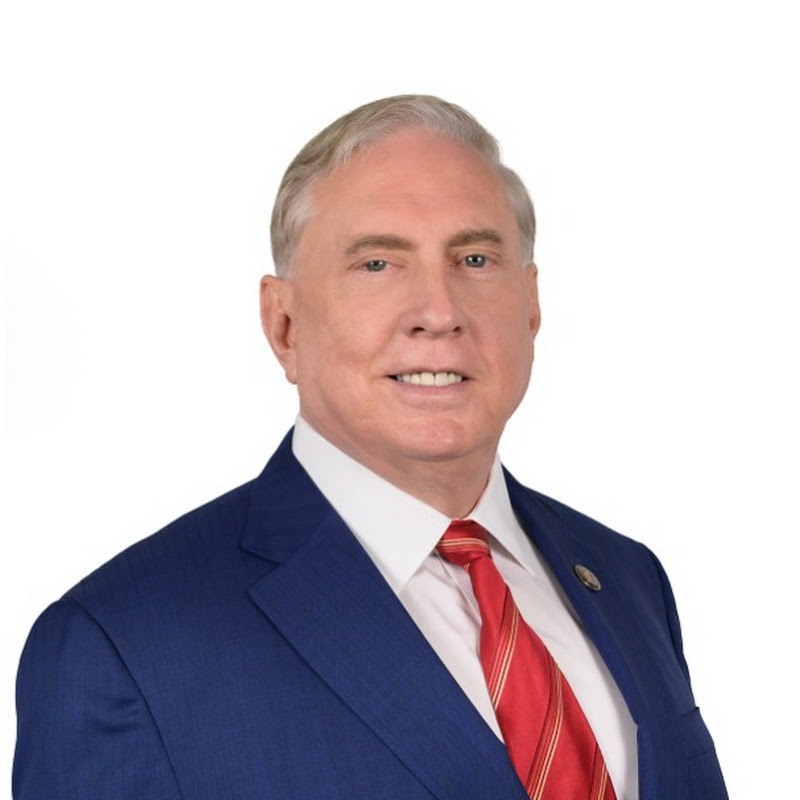
douglasmacgregorTV
Executive Summary
This is the only official Douglas Macgregor YouTube channel. Video chronicles of retired U.S. Army Colonel Douglas Macgregor's adventures around the world advocating military reforms... douglasmacgregor.com
Across 10 videos, this channel demonstrates moderate persuasion intensity, primarily through Performed authenticity. Recurring themes suggest consistent operative goals beyond stated content.
Key Metrics
Performed authenticity
The deliberate construction of "realness" — confessional tone, casual filming, strategic vulnerability — designed to lower your guard. When someone appears unpolished and honest, you evaluate their claims less critically. The spontaneity is rehearsed.
Goffman's dramaturgy (1959); Audrezet et al. (2020) on performed authenticity
Channel Rating
Moderate persuasion used transparently. The channel is upfront about its perspective — this is rhetoric, not manipulation.
Recurring Themes
The channel functions as a platform for systematic skepticism toward U.S. institutional power, portraying the American government as a compromised entity failing against superior foreign adversaries. Regular viewers are led to believe that the U.S. military is fundamentally outmatched and that national policy is dictated by corrupt lobbies rather than strategic interests.
The channel consistently frames U.S. foreign policy and the Trump administration as corrupt, controlled by foreign 'Zionist' interests, and subverted by internal 'deep state' actors.
Content promotes the idea that U.S. military and financial power is obsolete, positioning BRICS and a multipolar world order as the only rational and inevitable future.
The channel aims to demoralize the audience regarding U.S. military readiness while portraying adversaries like Iran, Russia, and China as technologically superior and strategically dominant.
Macgregor uses his platform to argue against regional interventions, specifically regarding Iran and Turkey, framing non-intervention as the only realistic strategic path.
What's Valuable Here

Offers detailed logistical insights into modern missile warfare sustainability from a retired colonel's perspective, contrasting mainstream 'decapitation success' claims.
The Matt Gaetz Show 3/2/2026
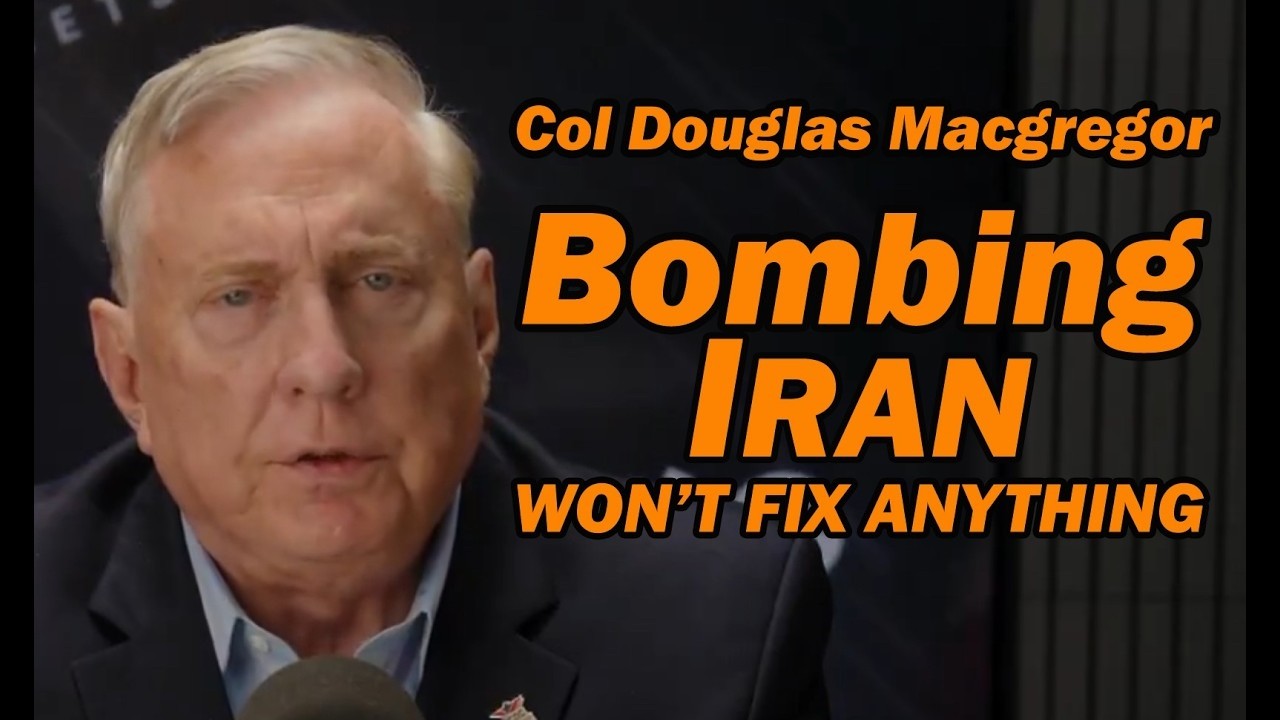
Provides detailed insider analysis from a combat veteran on ongoing US-Iran talks, Trump's statements, and military deployments as of Feb 2026.
Daniel Davis Deep Dive 2/17/2026

Provides detailed insider perspective on US military logistics vulnerabilities and regional economic ripple effects specific to Gulf ports and Indian oil imports.
India Today 3/2/2026

Provides detailed logistical and regional impact assessments from a retired colonel's experience, like Iranian decoy missiles overwhelming defenses and port disruptions stranding expatriates.
Glenn Diesen 3/2/2026

Provides detailed military analysis of munitions shortages, missile capabilities, and economic ripple effects from a retired colonel's perspective, offering granular insights into hypothetical war logistics.
Judge Napolitano 3/4/2026

Provides specific details on US military assets in the Middle East (e.g., aircraft numbers, carriers, refuelers) and historical air campaign parallels from a retired colonel's experience.
Judge Napolitano 2/19/2026
Persuasion Dimensions
Most Used Techniques
Performed authenticity
The deliberate construction of "realness" — confessional tone, casual filming, strategic vulnerability — designed to lower your guard. When someone appears unpolished and honest, you evaluate their claims less critically. The spontaneity is rehearsed.
Goffman's dramaturgy (1959); Audrezet et al. (2020) on performed authenticity
Us vs. Them
Dividing the world into two camps — people like us (good, trustworthy) and people not like us (dangerous, wrong). It exploits a deep human tendency to favor our own group. Once you accept the division, information from "them" gets automatically discounted.
Tajfel's Social Identity Theory (1979); Minimal Group Paradigm
In-group/Out-group framing
Leveraging your tendency to automatically trust information from "our people" and distrust outsiders. Once groups are established, people apply different standards of evidence depending on who is speaking.
Social Identity Theory (Tajfel & Turner, 1979); Cialdini's Unity principle (2016)
Viewer Guidance
Information is consistently shaped from one angle. Seek out how other sources present the same facts.
Arguments rely on assumptions treated as obvious. Ask what you'd need to already believe for the claims to land.
People or groups are reduced to types. Consider whether the characterization serves the argument more than the truth.