
The Wall Street Journal
Executive Summary
The Wall Street Journal takes you inside carefully selected stories and events in a visually captivating way so you can dig deeper into the news and insights that matter to you.
Across 10 videos, this channel demonstrates low persuasion intensity, primarily through Appeal to authority. Recurring themes suggest consistent operative goals beyond stated content.
Key Metrics
Channel Rating
Moderate persuasion used transparently. The channel is upfront about its perspective — this is rhetoric, not manipulation.
What's Valuable Here

The video provides specific operational details on how a major restaurant chain manages its 'commodity basket' and uses loss-leaders like bread and peanuts to drive volume.
How Texas Roadhouse Keeps Steak at $19 as Beef Prices Soar |...

Provides a clear look at the specific technical workflow (sensors to camera cross-referencing) that schools are now using to enforce drug policies.
Inside One California High School’s Fight Against Cannabis

Provides a clear, concise overview of the specific military assets (B-2, B-1, B-52) being utilized and the logistical shift to British bases.
Operation Epic Fury: The Bombers the U.S. Is Using to Strike...

Provides a clear, spec-by-spec breakdown of exactly what hardware features are removed to reach a lower price point, such as the tactile trackpad and the A18 Pro chip.
First Impressions of Apple's New iPhone 17e and MacBook Neo

Provides a concise explanation of the 'inflation trade' and how it can override traditional geopolitical hedging in the bond and gold markets.
Why Safe Haven Assets Like Gold and Bonds Sold Off Amid Iran...
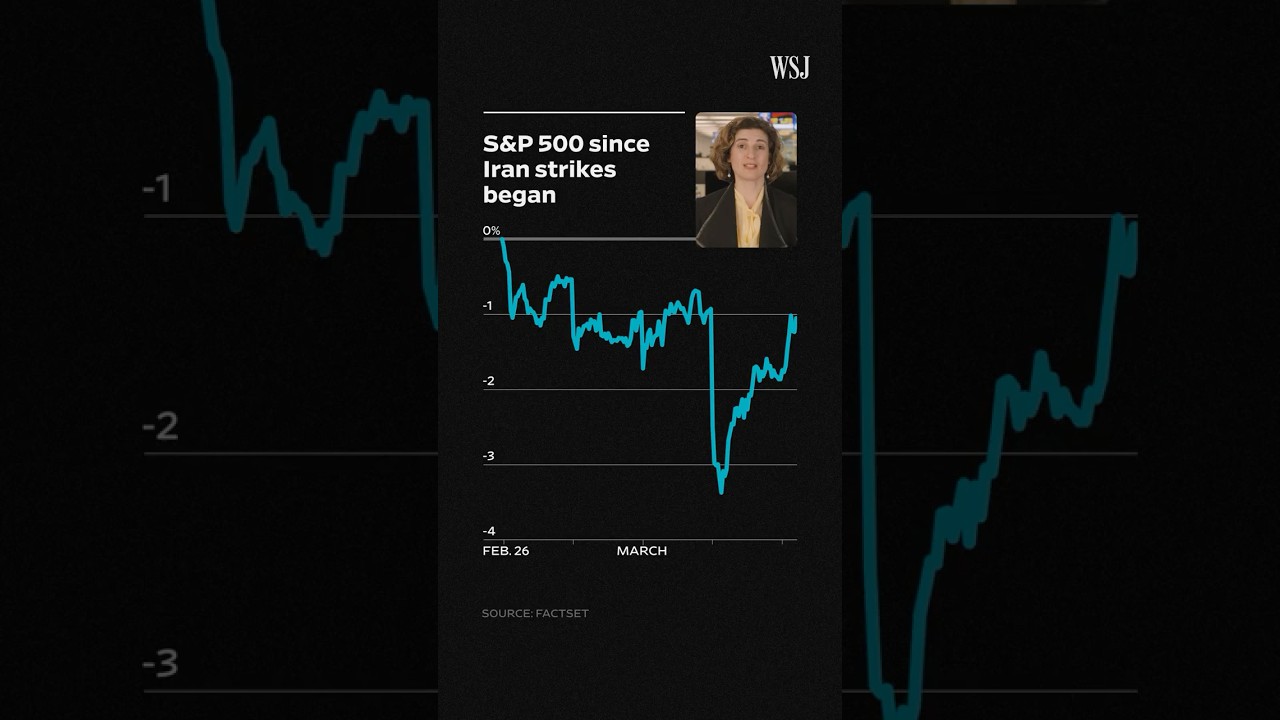
Provides a concise summary of how major financial institutions like Morgan Stanley and Wells Fargo are currently advising their clients during Middle East tensions.
How Wall Street Strategists Plan to Navigate Markets Amid U....
Persuasion Dimensions
Most Used Techniques
Urgency framing
Creating artificial time pressure to force a decision before you can think it through. 'Only 3 left!' 'Act now!' The technique works because genuine scarcity is a real signal, so the urgency feels rational even when it's manufactured.
Cialdini's Scarcity principle (1984); dark patterns research (Mathur et al., 2019)
Technological Fetishism
This technique was detected by AI but doesn't yet map to our curated glossary. We're tracking its usage patterns.
Viewer Guidance
Information is consistently shaped from one angle. Seek out how other sources present the same facts.
Arguments rely on assumptions treated as obvious. Ask what you'd need to already believe for the claims to land.
This content frequently uses emotional appeal. Notice when feelings are being prioritized over evidence.