We can't find the internet
Attempting to reconnect
Something went wrong!
Attempting to reconnect
The Wall Street Journal · 17.5K views · 409 likes Short
Analysis Summary
Worth Noting
Positive elements
- This video provides a concise summary of how major financial institutions like Morgan Stanley and Wells Fargo are currently advising their clients during Middle East tensions.
Be Aware
Cautionary elements
- The use of institutional authority to frame war primarily as a 'market dip' to be exploited, which may lead viewers to ignore the unique risks of the current geopolitical climate.
Influence Dimensions
How are these scored?About this analysis
Knowing about these techniques makes them visible, not powerless. The ones that work best on you are the ones that match beliefs you already hold.
This analysis is a tool for your own thinking — what you do with it is up to you.
Related content covering similar topics.

Hims & Hers Health Surges, Live Nation Entertainment Rises, Brown-Forman Falls as Bernstein...
Bloomberg Podcasts

Chevron Rises, Delta Drops, Him & Hers Surges on Novo Obesity Deal That Ends Public Feud | Stock...
Bloomberg Podcasts

Good Morning America Full Broadcast — Sunday, March 8, 2026
ABC News
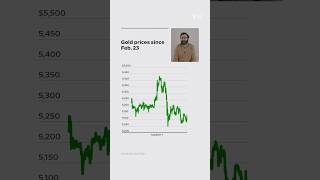
Why Safe Haven Assets Like Gold and Bonds Sold Off Amid Iran Conflict
The Wall Street Journal
Bloomberg Money Minute: Stocks Fall On Oil Gain And JP Morgan Warning
Bloomberg Podcasts
Transcript
It's been a volatile few days for markets following the US strikes in Iran over the weekend. Oil prices have jumped and safe haven assets like the US dollar have rallied. Stocks have recovered somewhat, but more uncertainty lies ahead. Here's what Wall Street strategists are saying about how investors should be positioning their portfolios. Analysts at Morgan Stanley looked at how markets have behaved during past moments of geopolitical turmoil. Historically, events like the start of the Vietnam War, the war in Afghanistan, the war in Iraq has led to short-term volatility in stock prices. But that has proven to be short-lived. According to the bank's analysis of 22 separate events, stocks have actually been up on average 1 3 6 and 12 months afterwards. The bare case is that the conflict in the Middle East drags on for longer than expected. that could cause oil prices to rise and stay elevated, leading to fears of inflation. Higher inflation due to surging energy prices would reduce the likelihood of interest rate cuts by the Federal Reserve, currently expected for later this year, according to Adam Het's global head of multi-asset at Janice Henderson. That's what happened after the start of the Russia Ukraine war in 2022, which caused a more sustained market sell-off. Iran is only responsible for about 3 to 4% of global oil supply. But the conflict has essentially led to the closure of the strait of Hormuz, an important passageway from the Persian Gulf states that about 20% of global oil goes through. Strategists say the market is currently pricing in a relatively short-lived conflict. Oil would have to climb above $100 a barrel, well above where it stands now, for the downside scenario to play out. For most non-professional investors, strategists and advisers say that having a diversified portfolio and sitting tight is the best course of action. For those looking to take a more defensive posture, analysts at Morgan Stanley recommend giving added weight to health care, which they see as undervalued and more defensible from risks around artificial intelligence. Strategists at Wells Fargo go even further, arguing that history suggests geopolitical dips should be bought. In other words, it could be a good time to load up on stocks.
Video description
As the conflict in the Middle East causes uncertainty in the markets, WSJ’s Miriam Gottfried explains what Wall Street strategists recommend when it comes to your portfolio. #Iran #Markets #WSJ