
Slab Rehab
Executive Summary
I restore Pokemon cards for fun
Across 11 videos, this channel demonstrates low persuasion intensity, primarily through Performed authenticity. Recurring themes suggest consistent operative goals beyond stated content.
Key Metrics
Performed authenticity
The deliberate construction of "realness" — confessional tone, casual filming, strategic vulnerability — designed to lower your guard. When someone appears unpolished and honest, you evaluate their claims less critically. The spontaneity is rehearsed.
Goffman's dramaturgy (1959); Audrezet et al. (2020) on performed authenticity
Channel Rating
Moderate persuasion used transparently. The channel is upfront about its perspective — this is rhetoric, not manipulation.
Recurring Themes
Slab Rehab operates as a commercial funnel that transforms the hobby of Pokemon card collecting into a profit-driven enterprise centered on physical card alteration. Regular viewers are conditioned to view damaged cards as investment opportunities and are encouraged to purchase specific tools and paid tutorials to bypass professional grading standards for financial gain.
The channel consistently uses restoration demonstrations as a vehicle to drive traffic toward specific cleaning kits, affiliate links, and the creator's proprietary formulas.
The content frames card restoration as a financial strategy for 'flipping' and bypassing grading standards to artificially inflate the market value of collectibles.
The creator leverages high-stakes repair videos to funnel viewers into paid channel memberships for exclusive 'instructional' content and specialized techniques.
What's Valuable Here
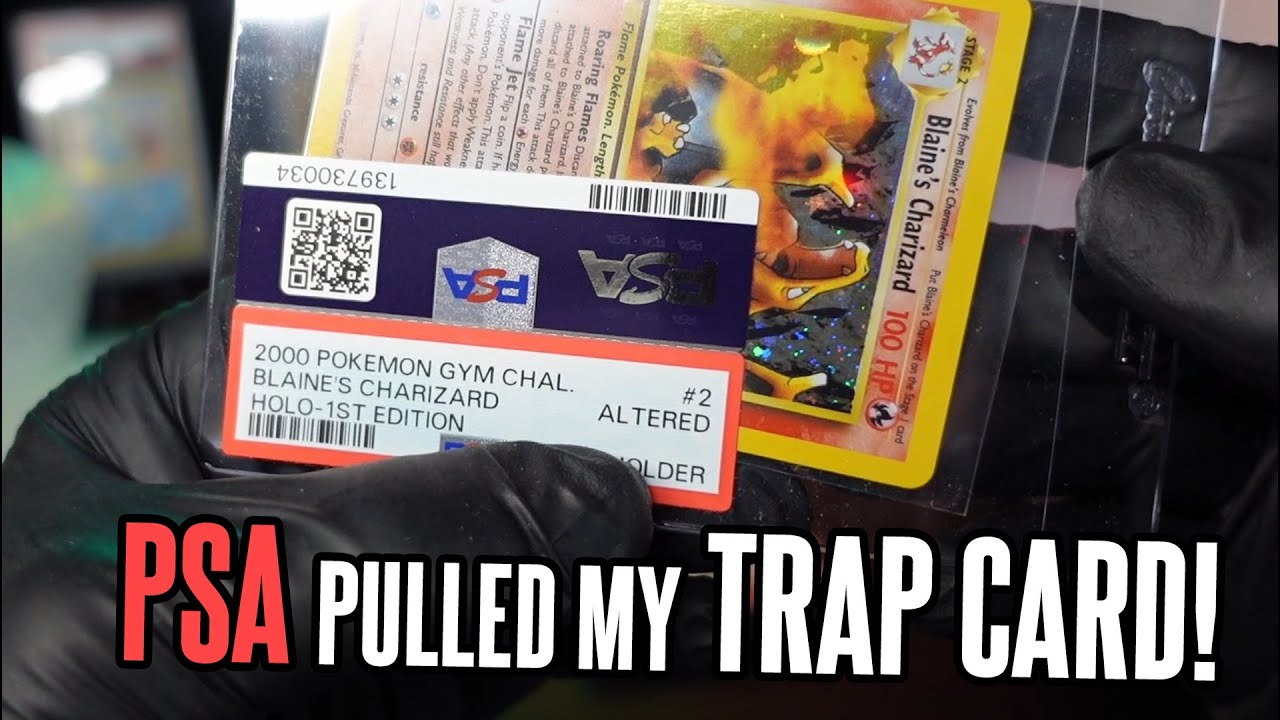
Provides real-world data from a $40k card submission experiment, including specific mistakes like whale orders and expedited service, useful for collectors considering resubmissions.
THIS happened when I graded REPAIRED Pokemon cards!
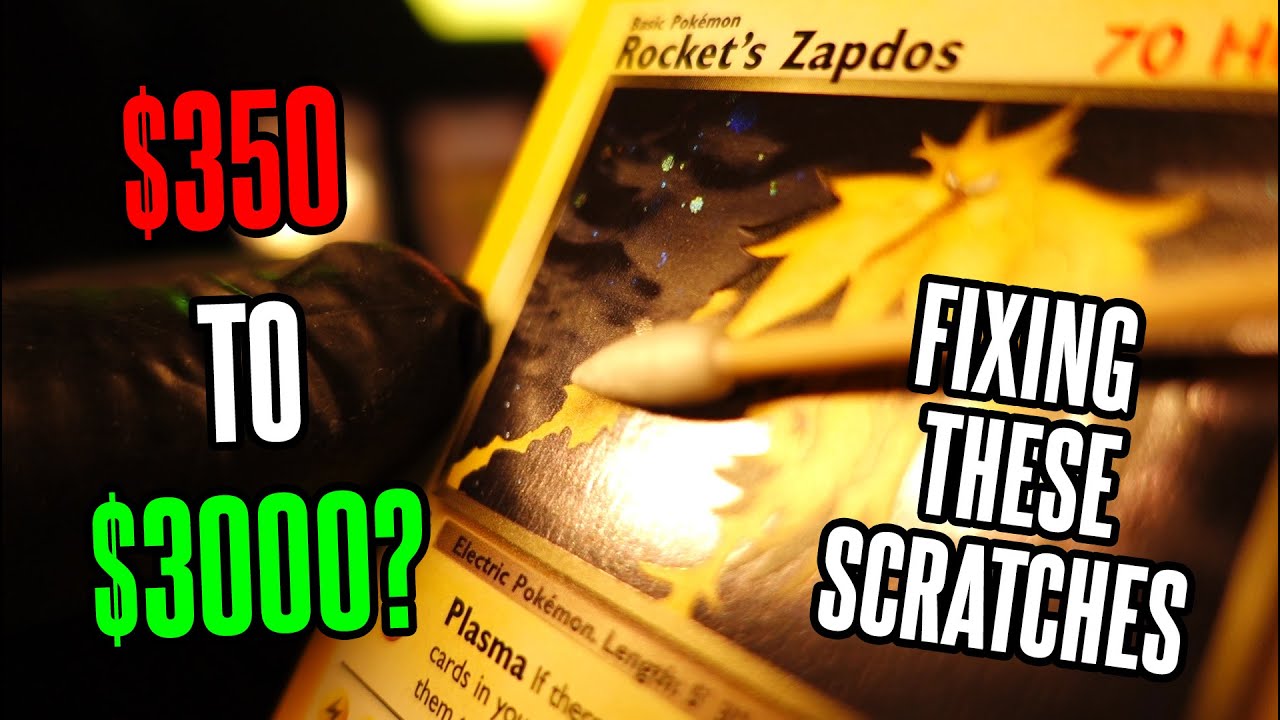
The video provides high-quality microscopic footage of how abrasive polishing compounds physically interact with the holographic surface of a trading card.
Removing ALL scratches on my Zapdos with THIS simple techniq...

Provides a clear visual demonstration of how collectors use specific polishes and tools to attempt to remove surface scratches from vintage cards.
ASMR Pokemon Card Repair #8 PSA 8 Dark Raichu
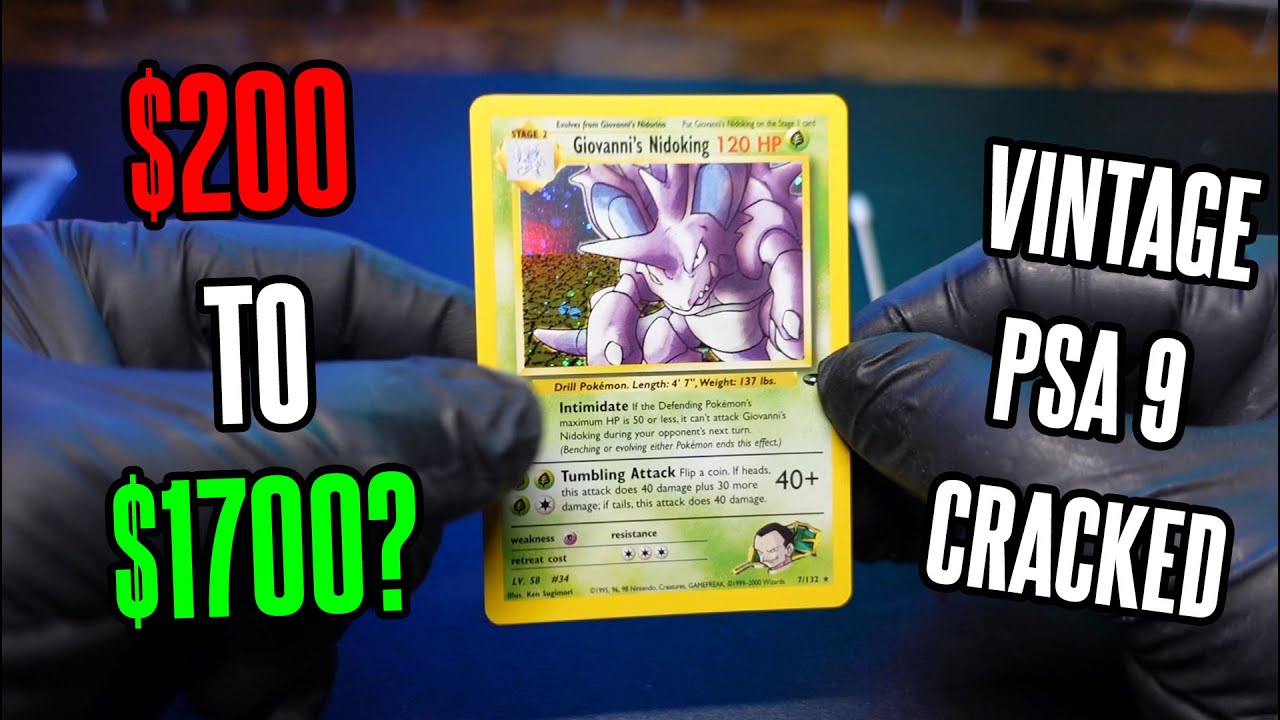
Provides a clear, close-up demonstration of how abrasive polishes physically interact with the holographic surface of vintage trading cards.
ASMR Pokemon Card Repair #6: Giovanni's Nidoking Scratched B...

Provides a clear, high-definition look at the physical mechanics of card 'cracking' and surface cleaning which is technically educational for hobbyists.
ASMR Pokemon Card Repair #5: Misty's Gyarados with HUGE dent...
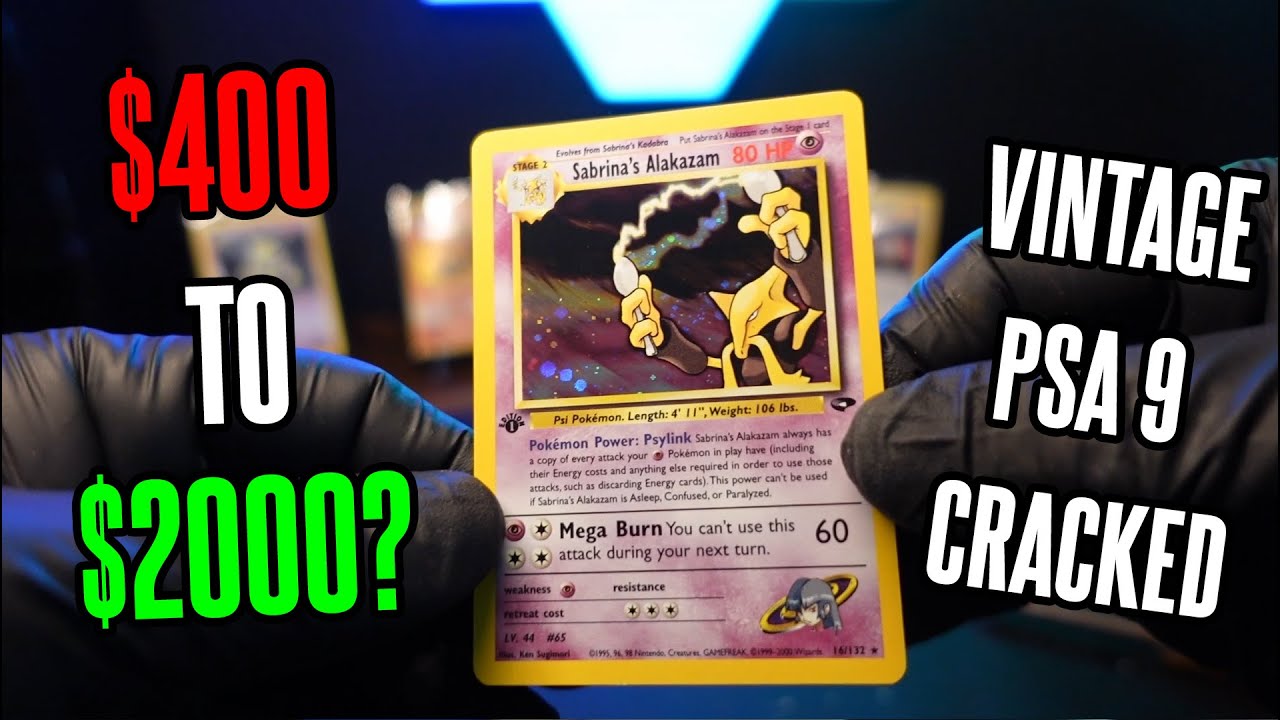
Provides a clear, high-definition look at the physical techniques used to manipulate card surfaces, which is informative for collectors learning how to spot 'doctored' cards.
ASMR Pokemon Card Repair #3: Sabrinas Alakazam with DEEP den...
Persuasion Dimensions
Most Used Techniques
Performed authenticity
The deliberate construction of "realness" — confessional tone, casual filming, strategic vulnerability — designed to lower your guard. When someone appears unpolished and honest, you evaluate their claims less critically. The spontaneity is rehearsed.
Goffman's dramaturgy (1959); Audrezet et al. (2020) on performed authenticity
Curiosity gap
Creating a deliberate gap between what you know and what you want to know, triggering curiosity as an almost physical itch. Headlines like "You won't believe..." are engineered to exploit this. The content rarely delivers on the promise.
Loewenstein's Information Gap Theory (1994)
Moral framing
Presenting a complex issue with genuine tradeoffs as a simple choice between right and wrong. Once something is framed as a moral issue, compromise feels like complicity and disagreement feels immoral rather than reasonable.
Haidt's Moral Foundations Theory; Lakoff's framing research (2004)
Viewer Guidance
Information is consistently shaped from one angle. Seek out how other sources present the same facts.
Arguments rely on assumptions treated as obvious. Ask what you'd need to already believe for the claims to land.
Calls to action follow emotional buildup. Consider whether the ask would feel as urgent without the preceding framing.