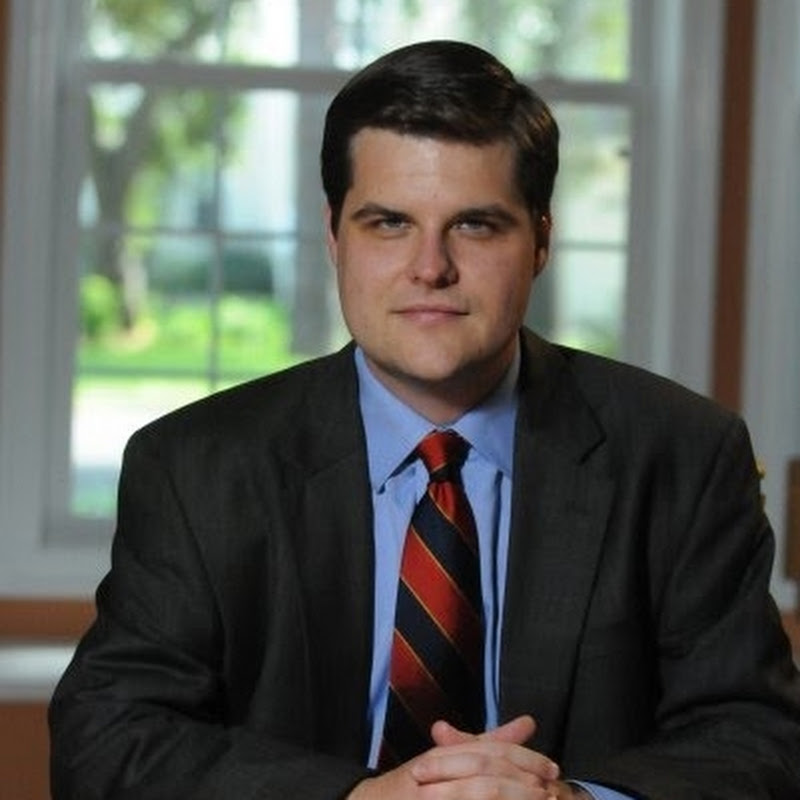
Matt Gaetz
Executive Summary
Official YouTube Channel of Matt Gaetz, Conservative Republican for Congress. www.MattGaetz.com
Across 22 videos, this channel demonstrates moderate persuasion intensity, primarily through Performed authenticity. Recurring themes suggest consistent operative goals beyond stated content.
Key Metrics
Performed authenticity
The deliberate construction of "realness" — confessional tone, casual filming, strategic vulnerability — designed to lower your guard. When someone appears unpolished and honest, you evaluate their claims less critically. The spontaneity is rehearsed.
Goffman's dramaturgy (1959); Audrezet et al. (2020) on performed authenticity
Channel Rating
Moderate persuasion used transparently. The channel is upfront about its perspective — this is rhetoric, not manipulation.
What's Valuable Here

Provides a clear example of 2016-era political attack ad strategies and how cultural wedge issues were used in Florida primary contests.
Walk Like a Man

Provides a clear example of how a political candidate communicates their legislative record to a specific constituency (veterans).
Protect

Provides a clear example of how legislative records are distilled into 30-second emotional appeals for campaign purposes.
Justice

Provides a clear example of how local economic concerns (jobs and military contracts) are used as primary levers in regional political campaigning.
Fighting for the Military Mission

Provides a clear example of how local economic interests (defense jobs) are used as a primary platform for regional political campaigns.
Jobs and Security

Provides a clear example of how political campaigns use testimonial-based advertising to establish a candidate's brand through association.
Got Your Back
Persuasion Dimensions
Most Used Techniques
Performed authenticity
The deliberate construction of "realness" — confessional tone, casual filming, strategic vulnerability — designed to lower your guard. When someone appears unpolished and honest, you evaluate their claims less critically. The spontaneity is rehearsed.
Goffman's dramaturgy (1959); Audrezet et al. (2020) on performed authenticity
Deflection
Deflecting criticism by pointing to someone else's wrongdoing instead of addressing the original issue. "What about when they did X?" changes the subject and puts the critic on the defensive. A specific form of the tu quoque fallacy.
Tu quoque fallacy; associated with Soviet propaganda technique (Nimmo, 2015)
Fear appeal
Presenting a vivid threat and then offering a specific action as the way to avoid it. Always structured as: "Something terrible will happen unless you do X." Most effective when the threat feels personal and the action feels achievable.
Witte's Extended Parallel Process Model (1992)
Forced equivalence
Presenting two things as equally valid when they aren't. By giving equal weight to a well-supported position and a fringe one, it manufactures the appearance of legitimate debate. Feels like fairness — "hearing both sides" — even when one side has overwhelming evidence.
Boykoff & Boykoff (2004) on media false balance
Viewer Guidance
Information is consistently shaped from one angle. Seek out how other sources present the same facts.
This content frequently uses emotional appeal. Notice when feelings are being prioritized over evidence.
Arguments rely on assumptions treated as obvious. Ask what you'd need to already believe for the claims to land.