The Officer Tatum
Executive Summary
The official YouTube Channel of Brandon Tatum! Bringing the smoke where it’s needed most. Former Police Officer, Man of God, Speaker, Entrepreneur, @turningpointusa Contributor, Husband, and Father. Every week I release videos talking about politic...
Across 15 videos, this channel demonstrates high persuasion intensity, primarily through Us vs. Them. Recurring themes suggest consistent operative goals beyond stated content.
Key Metrics
Us vs. Them
Dividing the world into two camps — people like us (good, trustworthy) and people not like us (dangerous, wrong). It exploits a deep human tendency to favor our own group. Once you accept the division, information from "them" gets automatically discounted.
Tajfel's Social Identity Theory (1979); Minimal Group Paradigm
Channel Rating
High-intensity persuasion, but relatively transparent about it. Strong opinions stated openly — evaluate the arguments on their merits.
Recurring Themes
The Officer Tatum operates as a high-intensity political echo chamber that fuses conservative Christian identity with aggressive multi-level marketing. Regular viewers are conditioned to view liberal media and dissenters as morally compromised enemies while being funneled into a closed ecosystem of the host's own products, memberships, and sponsored services.
The channel systematically converts political and moral outrage into direct sales for the host's supplement line (Shinergy), tiered memberships, and themed merchandise.
The content focuses on discrediting media figures, politicians, and military personnel who deviate from conservative orthodoxy by framing them as 'lunatics,' 'subverted,' or 'fake.'
The host leverages his unique position to challenge mainstream narratives on race, framing liberal views as 'victimhood' while solidifying a specific 'common sense' conservative cultural identity.
The channel frames geopolitical conflict and individual acts of violence through a lens of religious and moral necessity to validate aggressive conservative foreign and domestic stances.
What's Valuable Here

Delivers unedited clips of Trump's Cuba remarks and Joy Reid's response for viewers seeking conservative takes on current events.
Trump MAKES SURPRISE MOVE On Cuba as Communnist Regime COLLA...

Provides a quick recap of specific events like Israeli strikes on Iranian bunkers/missile launchers and US-Israeli coordination statements from recent news clips.
Trump Issues CHILLING STATEMENT In War with Iran
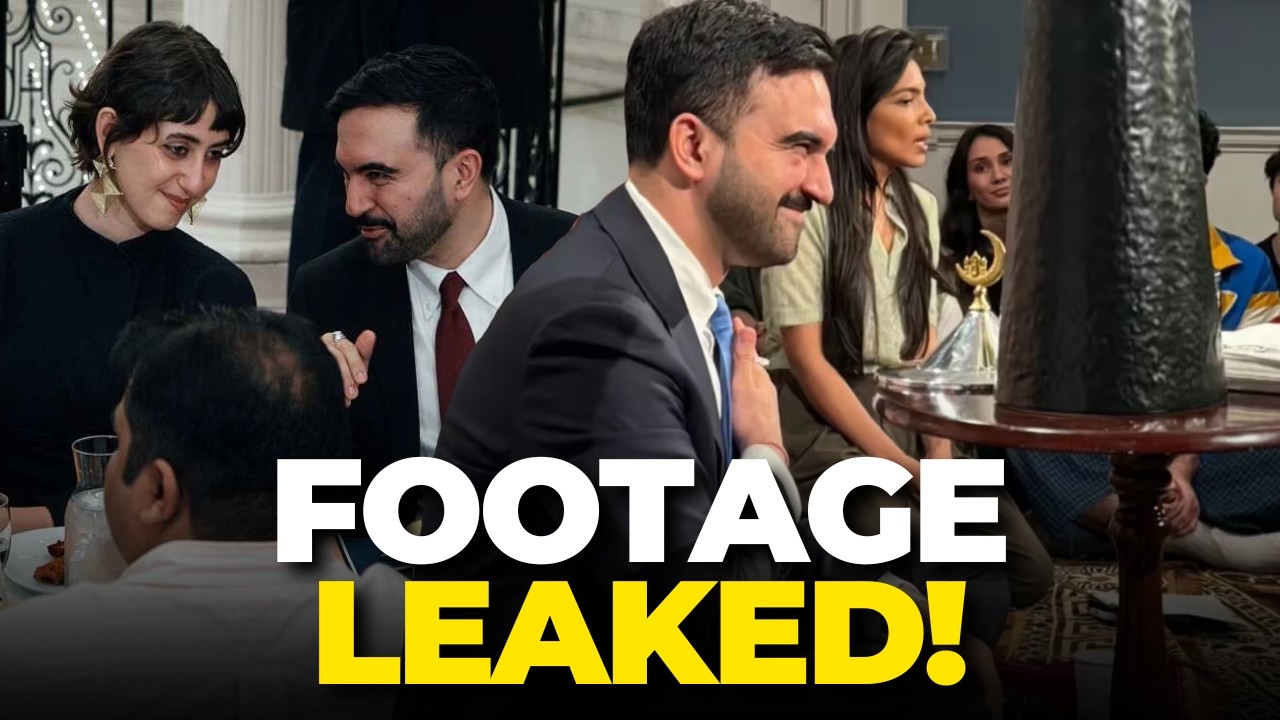
Shows raw influencer clips from the event, highlighting political marketing tactics like inviting creators for publicity.
Backlash ERUPTS After Zohran Mamdani’s City Hall Dinner LEAK...

The video provides a clear example of how constitutional arguments regarding Article II are utilized in contemporary conservative media discourse.
Whoopi Goldberg SHUTS DOWN Show After Sunny Hostin GETS OBLI...

The video provides a detailed timeline of a viral internet controversy and includes direct clips from the parties involved, offering a clear look at how social media fame can disrupt small business operations.
Mr Tendernism FIRED After White Man MAKES MILLIONS Off Of Hi...
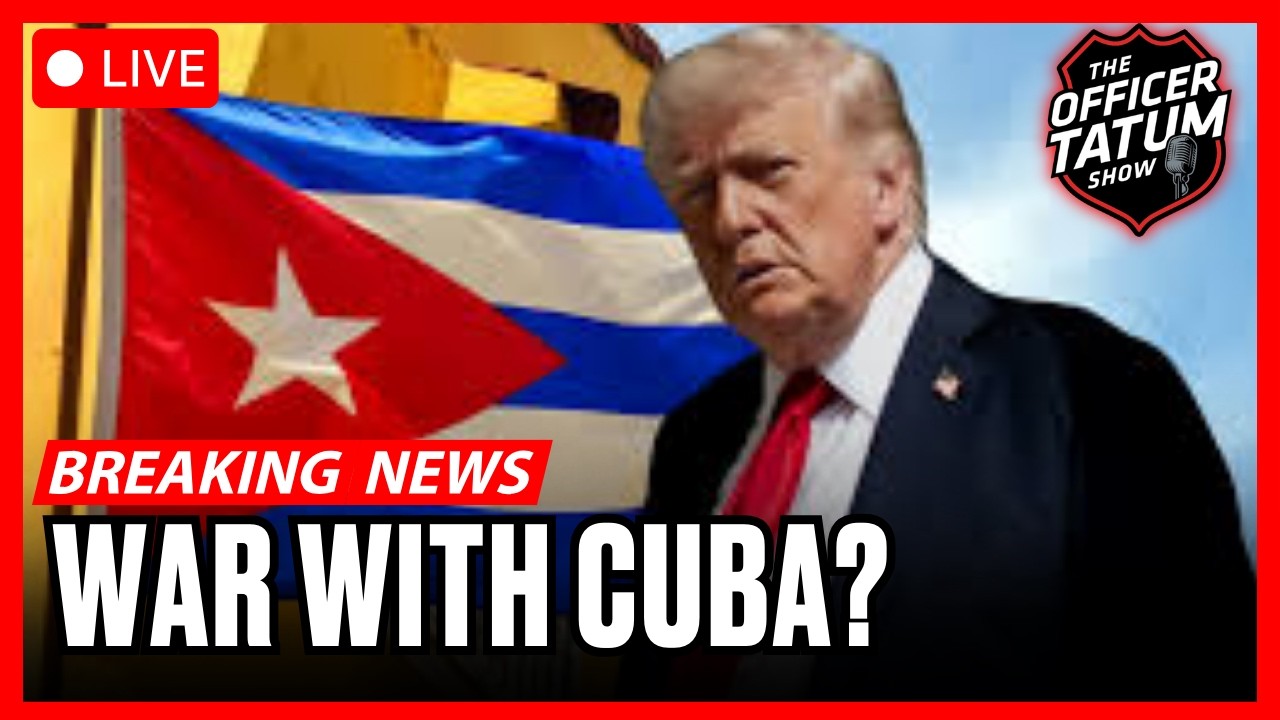
The video provides a direct look at how specific geopolitical events (Cuba/Iran) are interpreted and messaged within the black conservative movement.
BREAKING: Trump MAKES HUGE ANNOUNCEMENT On Cuba? | EP 267
Persuasion Dimensions
Most Used Techniques
Us vs. Them
Dividing the world into two camps — people like us (good, trustworthy) and people not like us (dangerous, wrong). It exploits a deep human tendency to favor our own group. Once you accept the division, information from "them" gets automatically discounted.
Tajfel's Social Identity Theory (1979); Minimal Group Paradigm
Anchoring
Presenting an extreme number or claim first so everything after seems reasonable by comparison. The first piece of information becomes your reference point — even when it's arbitrary or deliberately inflated. Works even when you know the anchor is irrelevant.
Tversky & Kahneman's anchoring heuristic (1974)
In-group/Out-group framing
Leveraging your tendency to automatically trust information from "our people" and distrust outsiders. Once groups are established, people apply different standards of evidence depending on who is speaking.
Social Identity Theory (Tajfel & Turner, 1979); Cialdini's Unity principle (2016)
Conditional emotional appeal
Using guilt, fear, or obligation to pressure you into compliance. The message is: "If you were a good person, you would do this." It bypasses rational evaluation by making refusal feel like a moral failure.
Forward's FOG model (1997) — Fear, Obligation, Guilt
Pathos
Appealing to your emotions — fear, joy, anger, sadness — to make an argument feel compelling. Rather than persuading through evidence, it works by putting you in an emotional state where you're more receptive. The emotion becomes the proof.
Aristotle's Rhetoric; Kahneman's System 1 processing
Viewer Guidance
People or groups are reduced to types. Consider whether the characterization serves the argument more than the truth.
This content frequently uses emotional appeal. Notice when feelings are being prioritized over evidence.
Information is consistently shaped from one angle. Seek out how other sources present the same facts.