
BestOzoneGenerators
Executive Summary
Welcome to OzoneGeneratorBest! We manufacture the highest-output, most durable ozone generators, suitable for homeowners and contractors. Our machines are designed to effectively eliminate viruses, bacteria, pests, and odors in various applications. ...
Across 10 videos, this channel demonstrates low persuasion intensity, primarily through Fear appeal. Recurring themes suggest consistent operative goals beyond stated content.
Key Metrics
Fear appeal
Presenting a vivid threat and then offering a specific action as the way to avoid it. Always structured as: "Something terrible will happen unless you do X." Most effective when the threat feels personal and the action feels achievable.
Witte's Extended Parallel Process Model (1992)
Channel Rating
Moderate persuasion used transparently. The channel is upfront about its perspective — this is rhetoric, not manipulation.
What's Valuable Here

Introduces viewers to nanobubble oxygen pool technology as a potential chlorine alternative for sensitive skin conditions like eczema and psoriasis.
Eczema , Pool and Chlorine story: How NanobubblePool.com S...

Introduces viewers to oxygen nanobubble technology as a potential chlorine alternative for pool sanitation with claims of eco-friendliness and safety.
BREAKING NEWS: POOLS NO LONGER NEED CHLORINE OR SALT
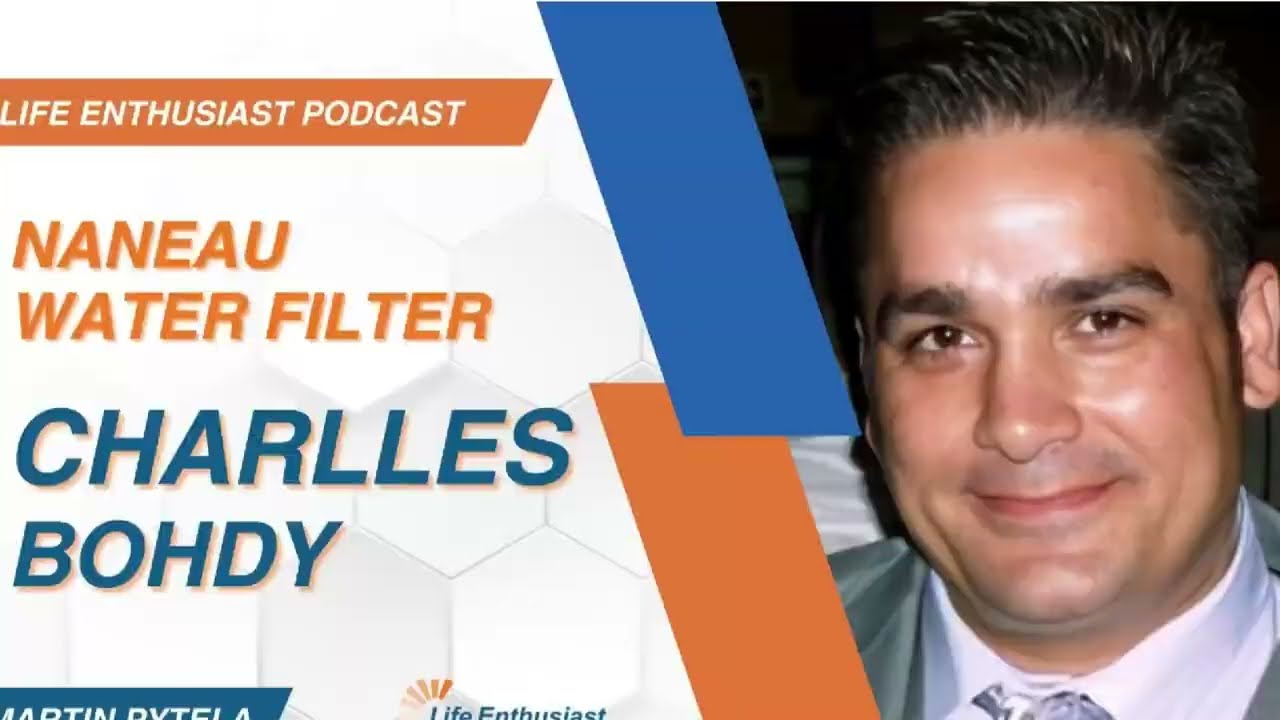
Offers specific examples of water contaminants like glyphosate residues and disinfection byproducts from cited investigations, plus historical insights on Victor Schauberger's biomimicry.
Life Enthusiast's Podcast: Biodynamic Whole House Water Fil...

Provides a concise overview of nanobubble/oxygen pool technology as a chlorine alternative, highlighting pet safety and low maintenance claims specific to the Bionic system.
The Safest Pool for Pets — No Chlorine. No Chemicals. No Mai...
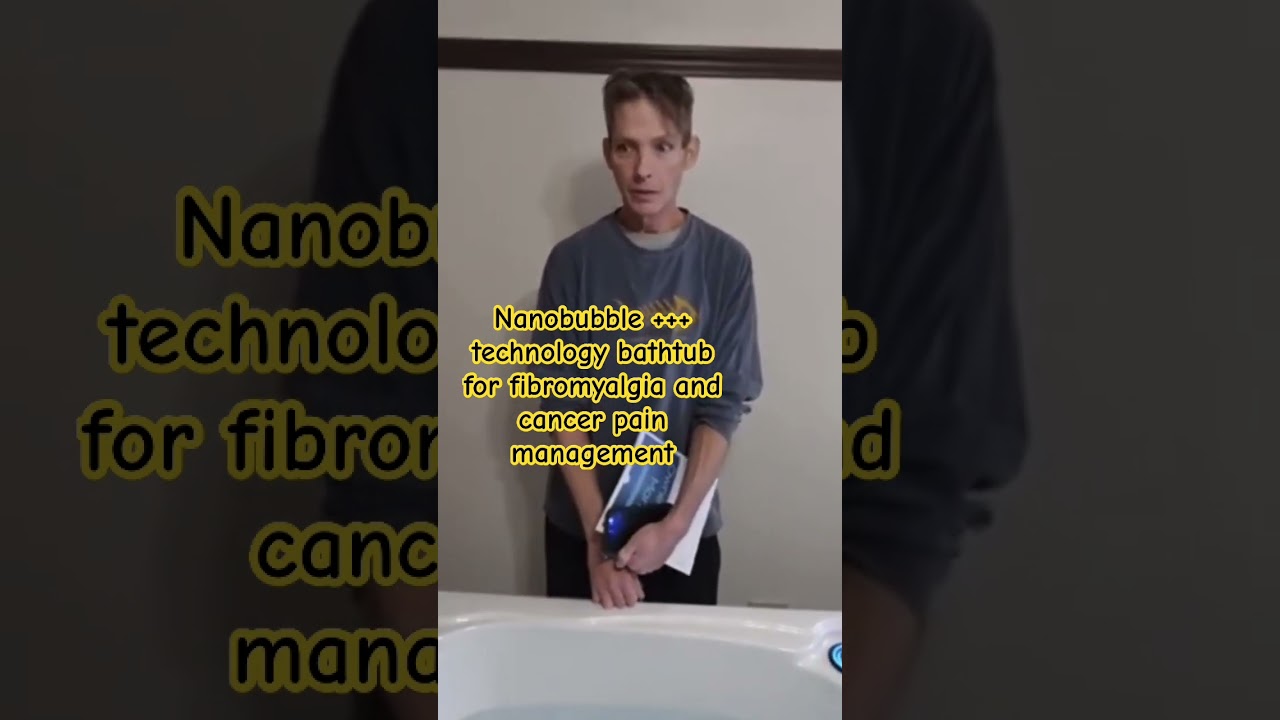
Provides a specific user anecdote on ozone generator application for chronic pain conditions like fibromyalgia and cancer.
Natural pain management for Fibromyalgia and cancer #painman...

This video introduces viewers to the concept of nanobubble technology and its potential for improving water clarity and tactile feel in recreational settings.
Turn Your Pool Into a Luxurious Spa with Nanobubbles!
Persuasion Dimensions
Most Used Techniques
Fear appeal
Presenting a vivid threat and then offering a specific action as the way to avoid it. Always structured as: "Something terrible will happen unless you do X." Most effective when the threat feels personal and the action feels achievable.
Witte's Extended Parallel Process Model (1992)
Performed authenticity
The deliberate construction of "realness" — confessional tone, casual filming, strategic vulnerability — designed to lower your guard. When someone appears unpolished and honest, you evaluate their claims less critically. The spontaneity is rehearsed.
Goffman's dramaturgy (1959); Audrezet et al. (2020) on performed authenticity
Loaded language
Using emotionally charged words where neutral ones would be more accurate. Calling the same policy 'reform' vs. 'gutting,' or the same people 'freedom fighters' vs. 'terrorists,' triggers different reactions to identical facts. The word choice does the persuading.
Hayakawa's Language in Thought and Action (1949); Lakoff's framing (2004)
Pathos
Appealing to your emotions — fear, joy, anger, sadness — to make an argument feel compelling. Rather than persuading through evidence, it works by putting you in an emotional state where you're more receptive. The emotion becomes the proof.
Aristotle's Rhetoric; Kahneman's System 1 processing
Viewer Guidance
Information is consistently shaped from one angle. Seek out how other sources present the same facts.
Calls to action follow emotional buildup. Consider whether the ask would feel as urgent without the preceding framing.
This content frequently uses emotional appeal. Notice when feelings are being prioritized over evidence.