
HasanAbi
Executive Summary
the revolution will not be televised. live everyday at https://www.twitch.tv/hasanabi check out my gaming channel https://www.youtube.com/channel/UCoatplmazYmGMPe-3LRCeyg
Across 10 videos, this channel demonstrates high persuasion intensity, primarily through Performed authenticity. Recurring themes suggest consistent operative goals beyond stated content.
Key Metrics
Performed authenticity
The deliberate construction of "realness" — confessional tone, casual filming, strategic vulnerability — designed to lower your guard. When someone appears unpolished and honest, you evaluate their claims less critically. The spontaneity is rehearsed.
Goffman's dramaturgy (1959); Audrezet et al. (2020) on performed authenticity
Channel Rating
High-intensity persuasion, but relatively transparent about it. Strong opinions stated openly — evaluate the arguments on their merits.
What's Valuable Here

This video introduces viewers to independent reporting that may be overlooked by larger corporate outlets.
This is the bravest journalist in America

Provides a clear example of how different online subcultures (gaming vs. political commentary) clash over sensitive international issues.
KYLE KULINSKI SHOCKED AT ASMONGOLDS DEFENSE OF WAR CRIMES

Provides a concise example of 'realist' geopolitical theory taken to its most extreme logical conclusion regarding state sovereignty.
give Iran a nuke

Provides a critical look at how language and labels are used in media reporting of violent events, encouraging viewers to question institutional narratives.
2 Terrorist Attacks in 1 Day?
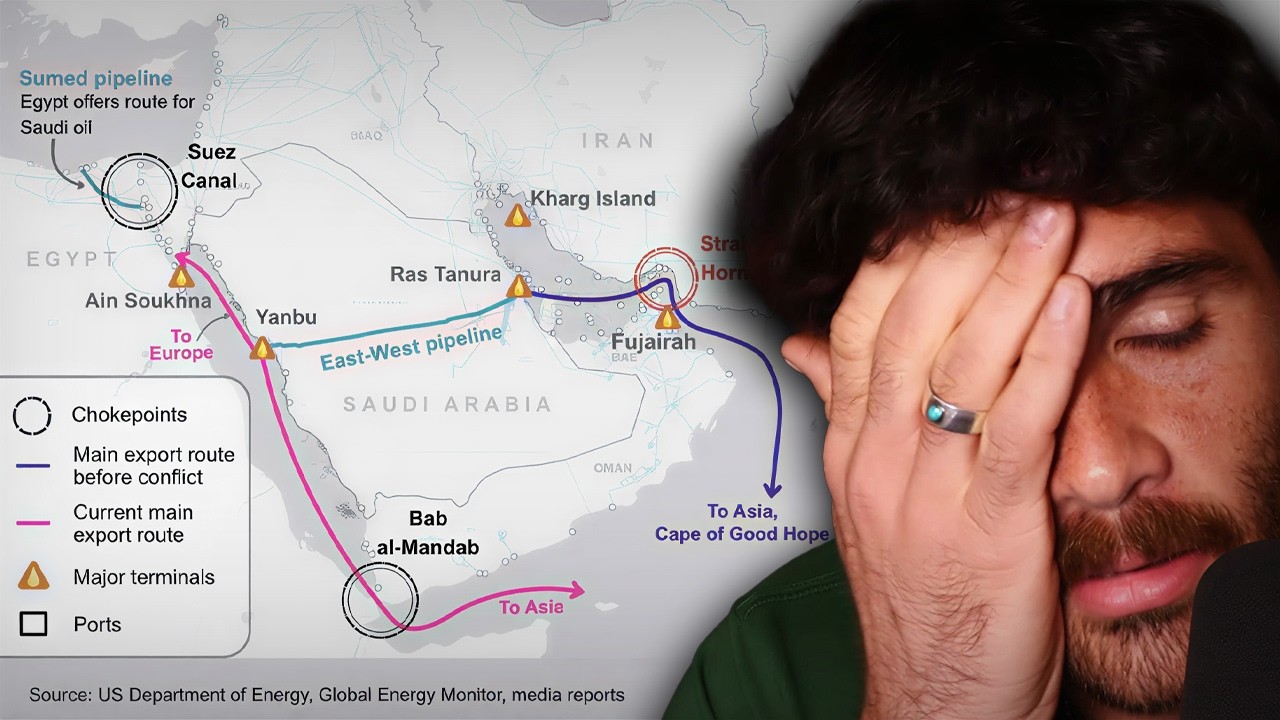
Provides a detailed breakdown of the strategic importance of Kharg Island and the Strait of Hormuz to global oil markets that is often missing from brief news segments.
This is terrifying...
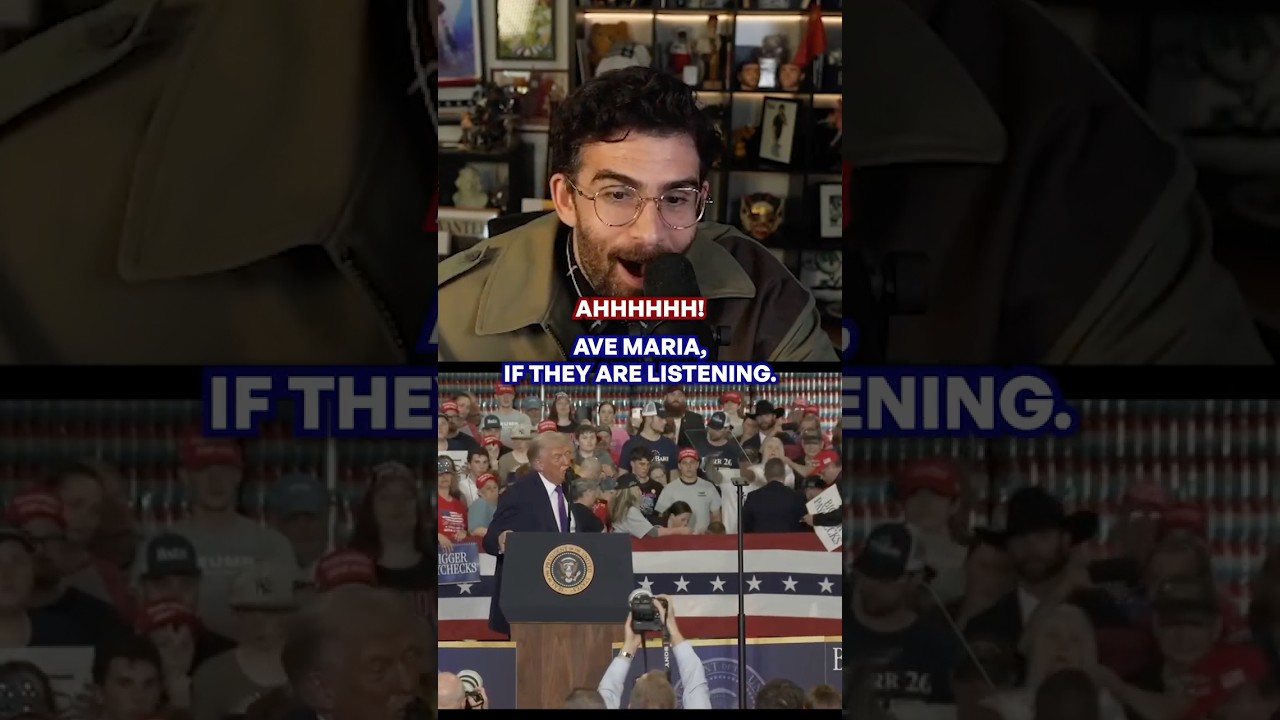
Provides a direct look at a specific, unusual moment of political stagecraft that occurred during a 2024/2025 campaign event.
woman faints at trump rally and he requests a funeral song
Persuasion Dimensions
Most Used Techniques
Performed authenticity
The deliberate construction of "realness" — confessional tone, casual filming, strategic vulnerability — designed to lower your guard. When someone appears unpolished and honest, you evaluate their claims less critically. The spontaneity is rehearsed.
Goffman's dramaturgy (1959); Audrezet et al. (2020) on performed authenticity
Moral outrage
Provoking a sense that something is deeply unfair or wrong, activating a feeling that demands action — sharing, protesting, punishing — before you've fully evaluated the situation. It's one of the most viral emotions online because it combines anger with righteousness.
Haidt's Moral Foundations Theory (2004); Brady et al. (2017, PNAS)
Character flattening
Reducing a complex person to one defining trait — hero, villain, genius, fool — stripping away nuance that would complicate the narrative. Once someone is labeled, everything they do gets interpreted through that lens.
Fundamental attribution error (Ross, 1977); Propp's narrative archetypes (1928)
Intensity amplification
Inflating the importance, drama, or shock value of information using superlatives, alarming framing, and emotional language. Once your alarm system activates, you stop evaluating proportionality.
Cultivation theory (Gerbner, 1969); availability heuristic (Tversky & Kahneman, 1973)
Viewer Guidance
This content frequently uses emotional appeal. Notice when feelings are being prioritized over evidence.
People or groups are reduced to types. Consider whether the characterization serves the argument more than the truth.
Information is consistently shaped from one angle. Seek out how other sources present the same facts.