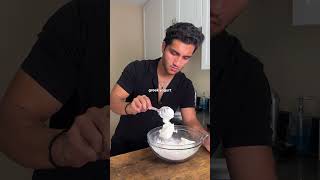
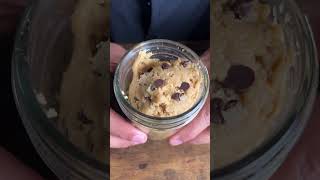
“Be aware that the 'impromptu' taste test is a structured marketing technique designed to build trust and lower your resistance to purchasing the featured recipe app.”
Ask yourself:
“Did I notice what this video wanted from me, and did I decide freely to say yes?”
Transparency
Transparent
Primary technique
Social proof
Presenting the popularity or consensus of an opinion as evidence that it's correct. When you see many others have endorsed something, it feels safer to follow. This shortcut can be manufactured — fake reviews, inflated counts, and cherry-picked polls all simulate consensus.
Cialdini's Social Proof principle (1984); Asch conformity experiments (1951)
The transcript captures a genuine, unscripted interaction between individuals tasting food, featuring natural speech patterns and emotional cues that are difficult for current AI to replicate authentically. The casual nature of the dialogue and the specific context of the channel suggest human-created social media content.
Natural Dialogue
Transcript contains spontaneous conversational exchanges, interruptions, and informal phrasing like 'Don't lie' and 'Let's go'.
Speech Disfluencies
Presence of filler words and non-scripted reactions to tasting food.
Production Style
Short duration and casual interaction suggest a vlog-style or social media recipe video rather than an automated content farm.
Worth Noting
Positive elements
This video provides a practical, high-protein alternative to a traditional high-calorie dessert, which is useful for those tracking macronutrients.
Be Aware
Cautionary elements
The use of a 'live' taste test creates an illusion of objective quality, though it is a controlled segment designed to sell the creator's app.
Hey, [music] so [music] we can't get enough. [music] >> Yeah, it actually tastes like pudding. >> It does. >> That's good. >> Do you like it though? Don't lie. >> No, it's good. >> That's good. Let's go. >> Can I take one for myself?