We can't find the internet
Attempting to reconnect
Something went wrong!
Attempting to reconnect
Analysis Summary
Narrative Normalization
This technique was detected by AI but doesn't yet map to our curated glossary. We're tracking its usage patterns.
Worth Noting
Positive elements
- This video provides a rare, detailed look at the specific military protocols and history of the dignified transfer process at Dover Air Force Base.
Be Aware
Cautionary elements
- The framing of the event as 'apolitical' through the lens of a Hollywood film helps to sanitize the political realities of the new war with Iran.
Influence Dimensions
How are these scored?About this analysis
Knowing about these techniques makes them visible, not powerless. The ones that work best on you are the ones that match beliefs you already hold.
This analysis is a tool for your own thinking — what you do with it is up to you.
Related content covering similar topics.
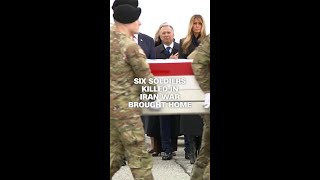
Six soldiers killed in Iran war brought home
CNN

Donald Trump says UK aircraft carriers not needed in US-Israel war with Iran | BBC News
BBC News

Trump demands "unconditional surrender" from Iran
CBS News
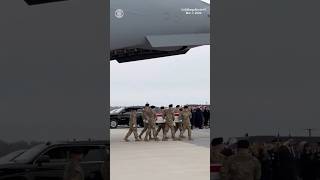
6 U.S. troops killed in Kuwait during early days of Iran war returned in dignified transfer #shorts
CBS News
Military Leaders THROW TRUMP UNDER THE BUS over WAR!
MeidasTouch
Transcript
Good afternoon. I'm Ela Kihano. We want to take you to Dover Air Force Base in Delaware, where the bodies of six US service members killed in the opening days of the war against Iran have arrived back on American soil. This process is known as a dignified transfer. The bodies of all six service members will be taken to the official military morg at the Air Force base before being returned to their families. All six were reserveists assigned to the 103rd Sustainment Command. That unit provides food, fuel, water, and ammunition, transport equipment, and supplies. The service members were killed in a drone strike in Kuwait exactly one week ago today, just hours after US and Israeli troops began bar bombing targets in Iran. Let's go ahead and watch. As we watch this solemn moment, let's bring in from Washington, CBS News National Security Coordinating Producer James Leaporta, who served as a sergeant in the Marine Corps. James, we see the commander-in-chief there. We see the first lady there. talk to us about the significance of the dignified transfer for members of the military. >> Absolutely. Uh the dignified transfer is essentially showcases uh the best of us uh in terms of how the US military uh brings our fallen service members home. Uh there's a phenomenal movie uh from 2009 called Taking Chance starring actor Kevin Bacon. Uh that movie um really is incredibly apolitical and is really uh details the entire process from the time a service member is killed in combat all the way till their final burial place and really uh showcases the work that uh the incredible individuals do at Do Air Force Base. that movie actually which came out in 2009. Uh so largely uh the dignified transfer uh was not covered by the media there. They were media were restricted uh from covering these events going back to the early 90s until that movie that came out in 2009. Uh then uh Secretary of Defense Robert Gates wrote in his memoirs that that movie had a profound impact on him and in 2009 he lifted um media restrictions on on covering the dignified transfer. Uh there is a couple caveats when when covering the dignified transfer really it it's the family's discretion on whether or not the media gets to cover these. uh and and second uh typically these these uh the dignified transfer is uh you know for service members who have died in uh the line of duty in terms of um uh participating in a in a combat operation or or current operations. So but these these um the dignified transfer it's um they're not considered formal ceremonies in the traditional sense. So, a formal ceremony would be like a Medal of Honor ceremony or or you know when the president reviews um a large company or battalion of troops. Uh we refer to these as solemn transfers. And so what this is doing is it's bringing the service these fallen service members back from uh combat operations back from uh where they're they were operating and then bringing them into mortuary affairs where uh these incredible people will start to meticulously uh prepare them for their final burial. So that is everything from getting their uniforms uh to look perfect to mounting their medals to getting their rank correct in in order to transfer them to their families and finally to their final resting place. >> And James, I want to make note that uh in addition of course to the president and the first lady, we see vice president JD Vance there as well. We were told by the White House that the second lady is in attendance and the defense secretary Pete Hegsth is also among the dignitaries who have gathered. We see the president there standing at attention and saluting as these transfer cases carrying the remains of these service members go by. Family members, James, are also uh in attendance here as well. tell us a little bit about what then the process is for these bererieved families who have sacrificed so much. >> Absolutely. So, so first let's start with a salute. Uh there's actually no requirement that a president or or anyone else who is a civilian in a civilian capacity return a salute to service members. Uh it's actually believed that uh President Ronald Reagan actually started that tradition because he felt as commander-in-chief, he felt it was appropriate to to you know returning a salute in the in in the military context is showing respect from one rank to another rank. And so President Ronald Reagan actually started that tradition and all presidents since then has really carried on that tradition of not only returning the salute to service members but saluting the fallen. Um the family members do come to these uh unified transfers. They're they're not required to which is one of the reasons why they don't, you know, classify this as a s ceremony, but most families do show up. Uh but these families, a casualty uh a casualty assistance officer or what we call a KO officer has been the has been with these families since they were first notified. So uh typically uh defense department policy is uh 24 hours you know, within 12 to 24 hours after a service member's death, they want to notify the families. The entire process is built around getting these service members back to their families as quickly as possible. And so that's what we're seeing here is is these cabinet members and and the commander-in-chief here paying their their respects to these these fallen service members. And James, you have reported extensively on the circumstances surrounding the deaths of these service members. Remind us what do we know about what happened? So what uh so we have to go back to even before the USIsrael led led attacks on Iran where the US military was moving assets into the region. At the same time that they were moving assets in the region in preparation for their eventual uh um strikes on Iran. At the same time the US military was moving troops off of their bases. uh uh defense secretary Hegsth uh referred to this the other day in his press conference as getting off the X. Uh what we have learned is that these troops in Kuwait who were moving off of their base and moving down to this uh this tactical operations center which uh which was in you know the this sort of this trailer that they were in that that was part of getting off the X which is is not a bad idea. Unfortunately, at the time, uh, our reporting, uh, shows that that they were under surveillance by Iranian intelligence at the time, and Iranian aligned militia groups were surveilling those troops as they were moving off the base. So, even before the U, US and Israel uh, began their strikes, uh, uh, Iranian groups had uh, already scouted out where these troops were. And so in Iran's retaliatory attacks, that's how these soldiers uh unfortunately lost their lives when a a drone um uh attacked the building that they were in, resulting in in the six that were killed. I want to come back to that in just a moment.
Video description
President Trump attended the dignified transfer of six U.S. service members killed in the opening days of the war in Iran. CBS News national security coordinating producer James LaPorta has more on the significance of the moment. CBS News 24/7 is the premier anchored streaming news service from CBS News and Stations that is available free to everyone with access to the internet and is the destination for breaking news, live events, original reporting and storytelling, and programs from CBS News and Stations' top anchors and correspondents working locally, nationally and around the globe. It is available on more than 30 platforms across mobile, desktop and connected TVs for free, as well as CBSNews.com and Paramount+ and live in 91 countries. Subscribe to the CBS News YouTube channel: https://youtube.com/cbsnews Watch CBS News 24/7: https://cbsnews.com/live/ Download the CBS News app: https://cbsnews.com/mobile/ Follow CBS News on Instagram: https://instagram.com/cbsnews/ Like CBS News on Facebook: https://facebook.com/cbsnews Follow CBS News on X: https://twitter.com/cbsnews Subscribe to our newsletters: https://cbsnews.com/newsletters/ Try Paramount+ free: https://paramountplus.com/?ftag=PPM-05-10aeh8h For video licensing inquiries, contact: licensing@veritone.com