We can't find the internet
Attempting to reconnect
Something went wrong!
Attempting to reconnect
The Wall Street Journal · 17.1K views · 426 likes Short
Analysis Summary
Worth Noting
Positive elements
- This video provides a quick synthesis of how disparate events like a nursing strike and geopolitical tension in Iran converge to influence Federal Reserve interest rate decisions.
Be Aware
Cautionary elements
- The use of 'revelation framing' regarding the Iran situation suggests a simple binary outcome for the economy that may ignore broader structural issues.
Influence Dimensions
How are these scored?About this analysis
Knowing about these techniques makes them visible, not powerless. The ones that work best on you are the ones that match beliefs you already hold.
This analysis is a tool for your own thinking — what you do with it is up to you.
Related content covering similar topics.
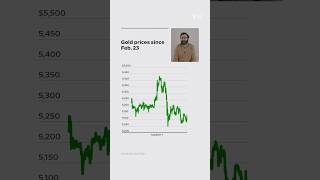
Why Safe Haven Assets Like Gold and Bonds Sold Off Amid Iran Conflict
The Wall Street Journal

Something Isn’t Right With the Stock Market
Minority Mindset
Trump Just Flipped The Stock Market
Minority Mindset

The US Just Attacked Iran — Here's What It Means for Your Money
Minority Mindset

The Truth: Why Nobody Wants To Work Anymore & MILLIONS Are Quitting...
Nate Gregory
Transcript
The February jobs report is out and in a word it was dismal. The US economy lost 92,000 jobs in February. Now this was far far fewer jobs than were expected. So that was really disappointing. Also disappointing was that the February numbers were coming off of the January numbers. January was a particularly strong month for US job growth. Part of the reason this is so concerning is that we saw broad declines across almost all sectors. We saw declines in construction, declines in manufacturing, leisure and hospitality, and also in healthcare. Now, a lot of that had to do with the nursing strike, which took hold across a lot of the United States, but a lot of it had nothing to do with the nursing strike, causing concern. At the same time, the unemployment rate also edged up from 4.3% to 4.4%. Now, this isn't really as huge a deal. The unemployment rate is is not in a terrible position right now. However, it's never good when you see the unemployment rate edging up at all. So, why was the February report so rocky? Well, we're not exactly sure why, but in a lot of ways, it feels like a continuation from 2025, especially the end of the year when the labor market really fell. On the one hand, you heard from employers that they were really not comfortable making a lot of hiring decisions throughout 2025 because of a lot of uncertainty around tariffs. There's also artificial intelligence which is increasingly cloudying the picture on employment. There's also this narrative that there was a lot of hiring after the pandemic in the 202122 time frame and at this point you just don't need that many employees. So you're seeing some layoffs in sectors which are also affecting the numbers. It puts the Federal Reserve in a real bind moving forward in regard to interest rates. But I think the key complicating picture here it really is inflation. Now, if the Iran situation wraps up fairly quickly and we see a decline, a rapid decline in both oil prices and gasoline prices, I think that makes the job even easier for the Fed. But on that front, we're just going to have to wait and see.
Video description
The U.S. economy lost 92,000 jobs in an unexpected downturn. WSJ’s Ashby Jones breaks down the latest jobs report. #Jobs #Economy #WSJ