We can't find the internet
Attempting to reconnect
Something went wrong!
Attempting to reconnect
Ian Plimer
2 appearances · 2 as guest · 7 topics
Influence Direction (across 2 analyzed appearances)
Avg Intensity
Avg Transparency
Top Technique
Performed authenticity
Technique Profile
Persuasion Dimensions
Topics
Narrative Themes
The content aims to provide a platform for climate change skepticism and promote the guest's books and worldview, which aligns with the channel's 'free speech' and 'counter-narrative' brand.
The Climate Crisis is a Scam - Professor Ian PlimerThe content aims to cast doubt on the scientific consensus of anthropogenic climate change by framing it as a matter of 'belief' rather than data.
“There's no relationship between temperature and carbon dioxide.” - Ian PlimerViewer Guidance (3 tips)
Consider alternative frames
Information is consistently shaped from one angle. Seek out how other sources present the same facts.
Question unstated assumptions
Arguments rely on assumptions treated as obvious. Ask what you'd need to already believe for the claims to land.
Watch for group characterization
People or groups are reduced to types. Consider whether the characterization serves the argument more than the truth.
Questions to Ask Yourself (4)
Whose perspective is missing here, and would the story change if they were included?
Story Shaping — 70%
What would I have to already believe for this argument to make sense?
Implicit Claims — 55%
Who gets to be a full, complicated person in this video and who gets reduced to a type?
Group Characterization — 55%
If I turn the sound off, does this argument still hold up?
Emotional Appeal — 50%
Appearances
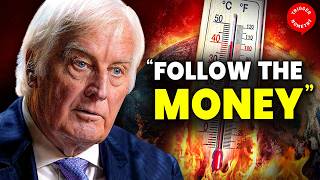
The Climate Crisis is a Scam - Professor Ian Plimer
Triggernometry · An Australian geologist and professor who argues that climate change is a natural phenomenon and that current climate science is a scam.
“There's no relationship between temperature and carbon dioxide.” - Ian Plimer
Triggernometry · An Australian geologist and critic of anthropogenic global warming who argues there is no link between CO2 and temperature.