
Joe Hudson | Art of Accomplishment
Executive Summary
I’m Joe Hudson, I co-founded the Art of Accomplishment with my wife, Tara, to help you find your way to fulfillment as effectively and quickly as possible. Our work is to teach people how to love themselves. So, we use this channel to share with you ...
Across 10 videos, this channel demonstrates low persuasion intensity, primarily through Appeal to authority. Recurring themes suggest consistent operative goals beyond stated content.
Key Metrics
Channel Rating
Moderate persuasion used transparently. The channel is upfront about its perspective — this is rhetoric, not manipulation.
Recurring Themes
The channel operates as a sophisticated sales funnel that leverages vulnerability and psychological reframing to establish Joe Hudson as an authority in emotional mastery. Regular viewers are led to believe that intellectual understanding is insufficient for growth and are consistently nudged toward paid, experiential courses as the only 'guaranteed' solution for personal transformation.
The channel systematically frames free content as a gateway to paid experiential learning, positioning the 'Connection Course' and other offerings as the only definitive path to lasting change.
The content reframes psychological pain, triggers, and 'daddy issues' as necessary milestones in spiritual development to build trust in the creator's specific coaching methodology.
The creator positions his philosophy as a necessary corrective for those who have achieved spiritual insights but remain dysfunctional in their personal lives or relationship with wealth.
What's Valuable Here

Provides a concrete example of real-time pattern interruption in coaching, showing how linking emotional resistance to family dynamics can enable breakthroughs like accepting help.
She's Been Stuck for 10 Years. Watch What Shifts | Coaching ...

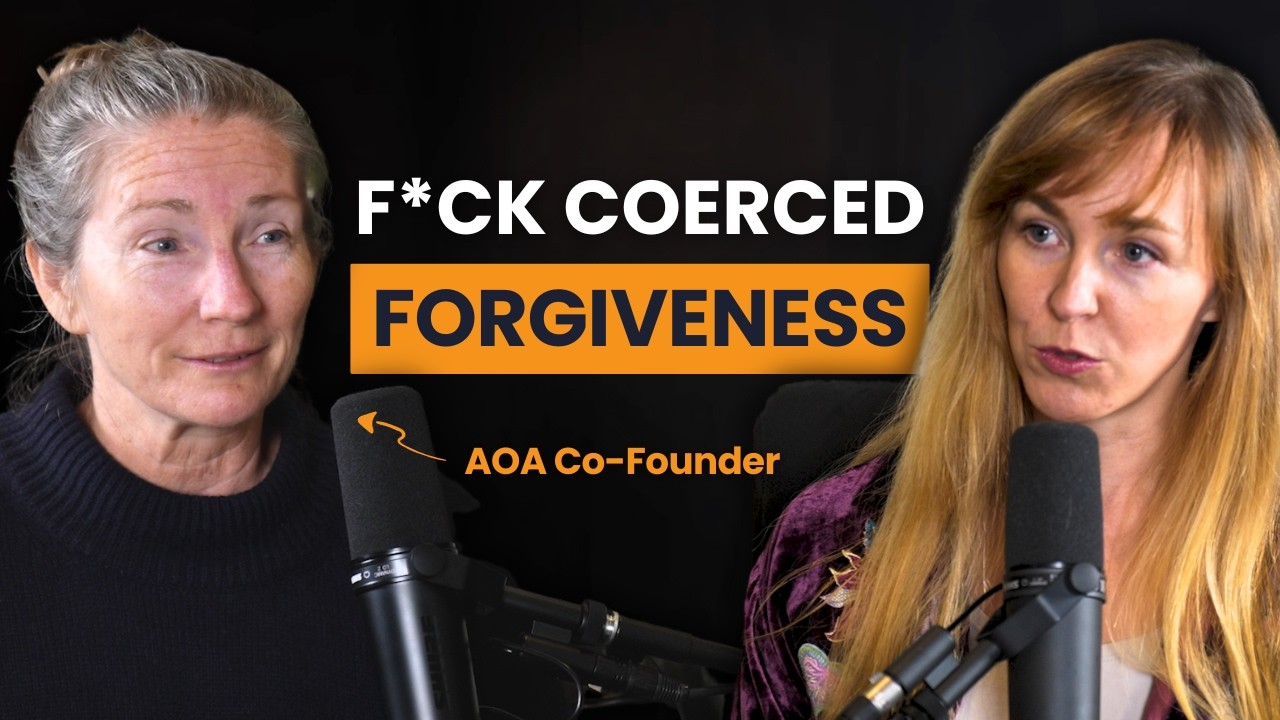
Offers a concise example of how mindfulness and emotional acceptance can be applied to personal triggers like anger and abandonment.
Everything that’s causing me pain is related to this
Offers a practical reframing of resentment as a signal for missing boundaries, which can be a helpful tool for those feeling stuck in cycles of blame.
Your Resentment is Asking for a Boundary

Offers a useful perspective on emotional regulation by suggesting that our reactions to others can be used as data for self-reflection.
The Daoists have this great saying…
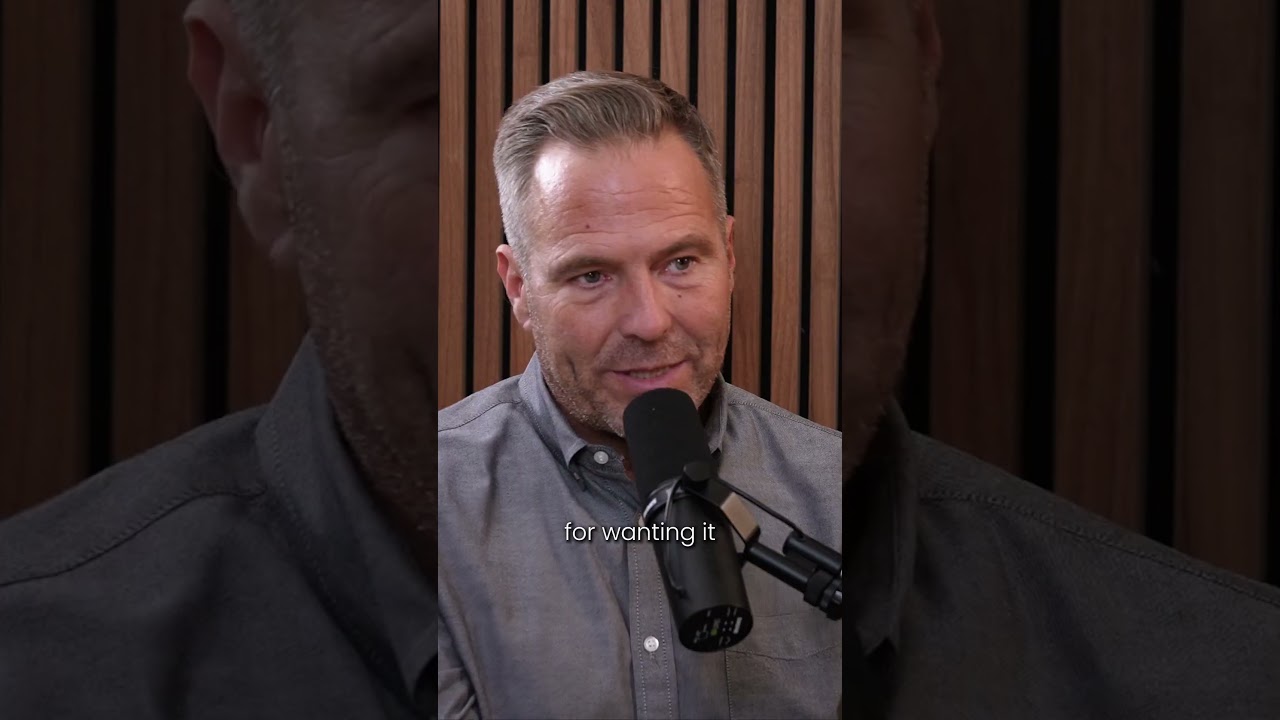
Offers a useful perspective on how subconscious guilt or conflicting values can influence one's relationship with money and success.
Wealth is a tool, not a destination. And like any tool, it c...

Provides a clear and helpful distinction between intellectual understanding and somatic/emotional experience, which is a valid concept in modern psychology.
Head, Heart, and Nervous System: The Formula for Change
Persuasion Dimensions
Most Used Techniques
Empathy elicitation
Using vivid personal stories to make you feel what a specific person is experiencing. By focusing on one individual's struggle, it overrides your ability to evaluate the broader situation objectively. A single compelling story can be more persuasive than statistics about millions.
Batson's empathy-altruism hypothesis (1981); identifiable victim effect (Schelling, 1968)
Urgency framing
Creating artificial time pressure to force a decision before you can think it through. 'Only 3 left!' 'Act now!' The technique works because genuine scarcity is a real signal, so the urgency feels rational even when it's manufactured.
Cialdini's Scarcity principle (1984); dark patterns research (Mathur et al., 2019)
Viewer Guidance
Arguments rely on assumptions treated as obvious. Ask what you'd need to already believe for the claims to land.