
PragerU
Executive Summary
PragerU creates free educational content promoting American values. See our kids content at @PragerUKids. Think better. Live better.
Across 10 videos, this channel demonstrates moderate persuasion intensity, primarily through Character flattening. Recurring themes suggest consistent operative goals beyond stated content.
Key Metrics
Character flattening
Reducing a complex person to one defining trait — hero, villain, genius, fool — stripping away nuance that would complicate the narrative. Once someone is labeled, everything they do gets interpreted through that lens.
Fundamental attribution error (Ross, 1977); Propp's narrative archetypes (1928)
Channel Rating
High-intensity persuasion, but relatively transparent about it. Strong opinions stated openly — evaluate the arguments on their merits.
What's Valuable Here
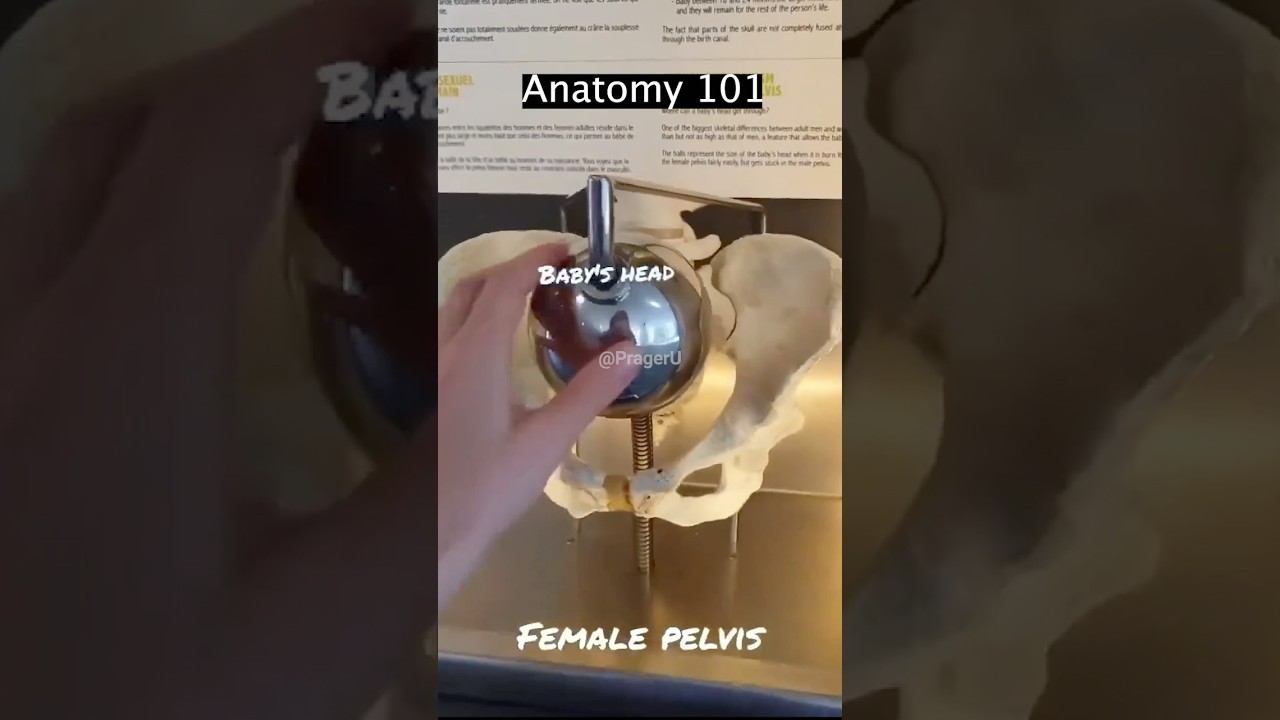
This video clearly articulates a traditionalist biological perspective that is a central pillar of conservative social thought.
Men are unable to become pregnant It's not controversial, it...
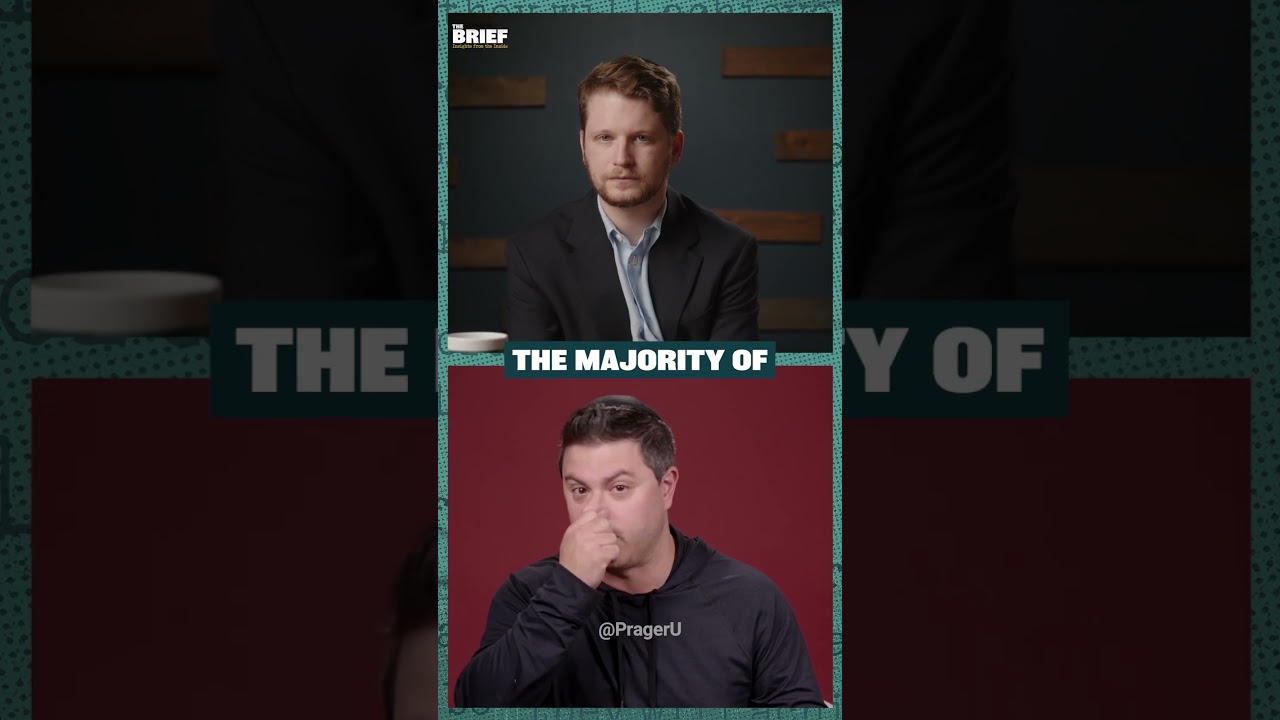
Provides a brief look into how mainstream conservative media outlets are attempting to navigate and define their relationship with more radical online factions.
@amikozak_official on Groypers, Free Speech, and the Future ...

Provides a clear, concise summary of major 19th-century milestones that are frequently featured on the actual U.S. naturalization test.
1800s U.S. History | U.S. Citizenship 101 | PragerU

Provides a clear, concise summary of the specific facts required for the U.S. Naturalization Test, making it a functional study aid for that specific purpose.
Recent U.S. History | U.S. Citizenship 101 | PragerU

Provides a concise and engaging introduction to Lafayette's significant military and diplomatic contributions to the American Revolutionary War.
Lafayette: The French Hero of the American Revolution | 5-Mi...

Provides a concise and engaging introduction to a pivotal but often overlooked logistical feat of the American Revolution.
Henry Knox: Washington’s Artillery Master | 5-Minute Videos ...
Persuasion Dimensions
Most Used Techniques
Character flattening
Reducing a complex person to one defining trait — hero, villain, genius, fool — stripping away nuance that would complicate the narrative. Once someone is labeled, everything they do gets interpreted through that lens.
Fundamental attribution error (Ross, 1977); Propp's narrative archetypes (1928)
Moral framing
Presenting a complex issue with genuine tradeoffs as a simple choice between right and wrong. Once something is framed as a moral issue, compromise feels like complicity and disagreement feels immoral rather than reasonable.
Haidt's Moral Foundations Theory; Lakoff's framing research (2004)
Curiosity gap
Creating a deliberate gap between what you know and what you want to know, triggering curiosity as an almost physical itch. Headlines like "You won't believe..." are engineered to exploit this. The content rarely delivers on the promise.
Loewenstein's Information Gap Theory (1994)
In-group/Out-group framing
Leveraging your tendency to automatically trust information from "our people" and distrust outsiders. Once groups are established, people apply different standards of evidence depending on who is speaking.
Social Identity Theory (Tajfel & Turner, 1979); Cialdini's Unity principle (2016)
Performed authenticity
The deliberate construction of "realness" — confessional tone, casual filming, strategic vulnerability — designed to lower your guard. When someone appears unpolished and honest, you evaluate their claims less critically. The spontaneity is rehearsed.
Goffman's dramaturgy (1959); Audrezet et al. (2020) on performed authenticity
Viewer Guidance
Information is consistently shaped from one angle. Seek out how other sources present the same facts.
Arguments rely on assumptions treated as obvious. Ask what you'd need to already believe for the claims to land.
This content frequently uses emotional appeal. Notice when feelings are being prioritized over evidence.