We can't find the internet
Attempting to reconnect
Something went wrong!
Attempting to reconnect

Communication Profile (across 10 videos)
Stated Purpose
PragerU creates free educational content promoting American values. See our kids content at @PragerUKids. Think better. Live better.
Operative Pattern
Across 10 videos, this channel demonstrates moderate persuasion intensity, primarily through Character Flattening. Recurring themes suggest consistent operative goals beyond stated content.
Avg Intensity
Avg Transparency
Top Technique
Character flattening
Reducing a complex person to one defining trait — hero, villain, genius, fool — stripping away nuance that would complicate the narrative. Once someone is labeled, everything they do gets interpreted through that lens.
Fundamental attribution error (Ross, 1977); Propp's narrative archetypes (1928)
Persuasion Dimensions
Per-Video Operative Goals — detected in individual analyses

To persuade parents and citizens that modern educational institutions have been subverted by Marxist ideology and should be viewed with suspicion.

The content seeks to reinforce traditional biological definitions of sex and mobilize the audience against gender-neutral language or transgender-inclusive biological claims.

The content aims to reinforce traditional values and emotional resilience through a moral lens consistent with PragerU's established brand.

The content aims to instill a specific patriotic interpretation of American history in children to foster national identity and support for traditional institutions.

The content aims to align Catholic theology with free-market capitalism and classical liberal values while positioning PragerU as the intellectual home for this synthesis.
What's Valuable Here
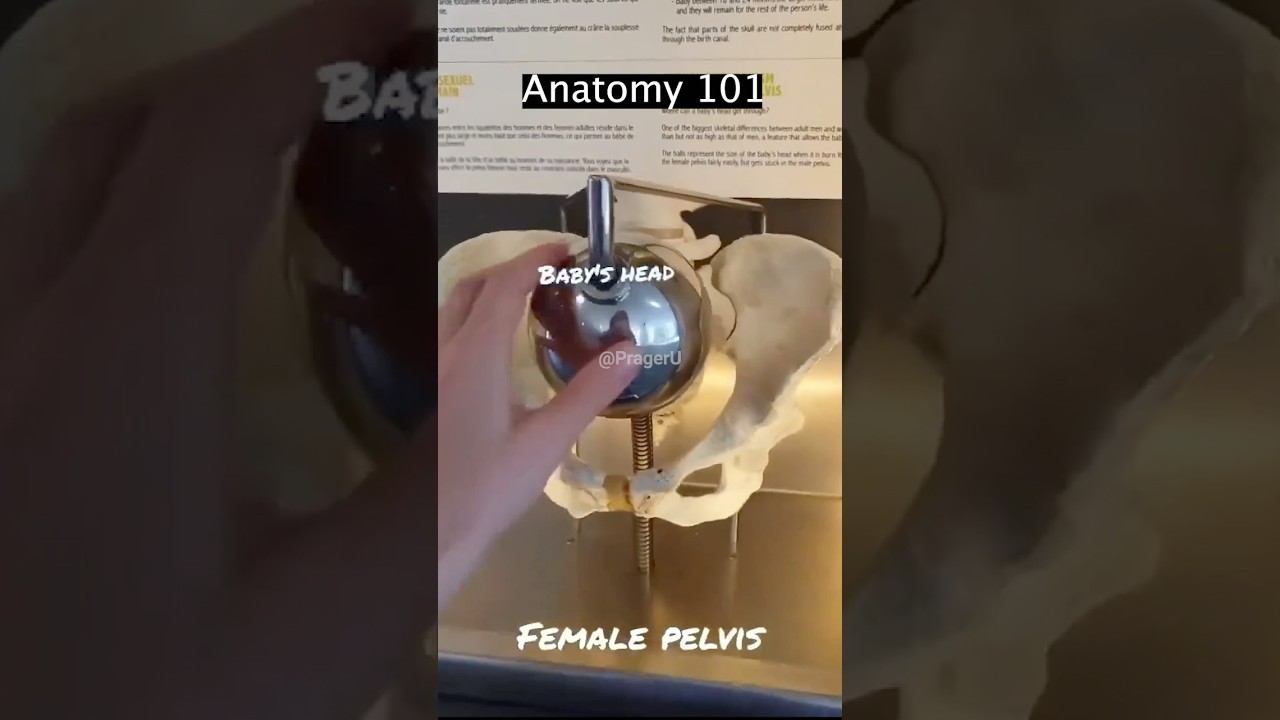
This video clearly articulates a traditionalist biological perspective that is a central pillar of conservative social thought.
Men are unable to become pregnant It'...
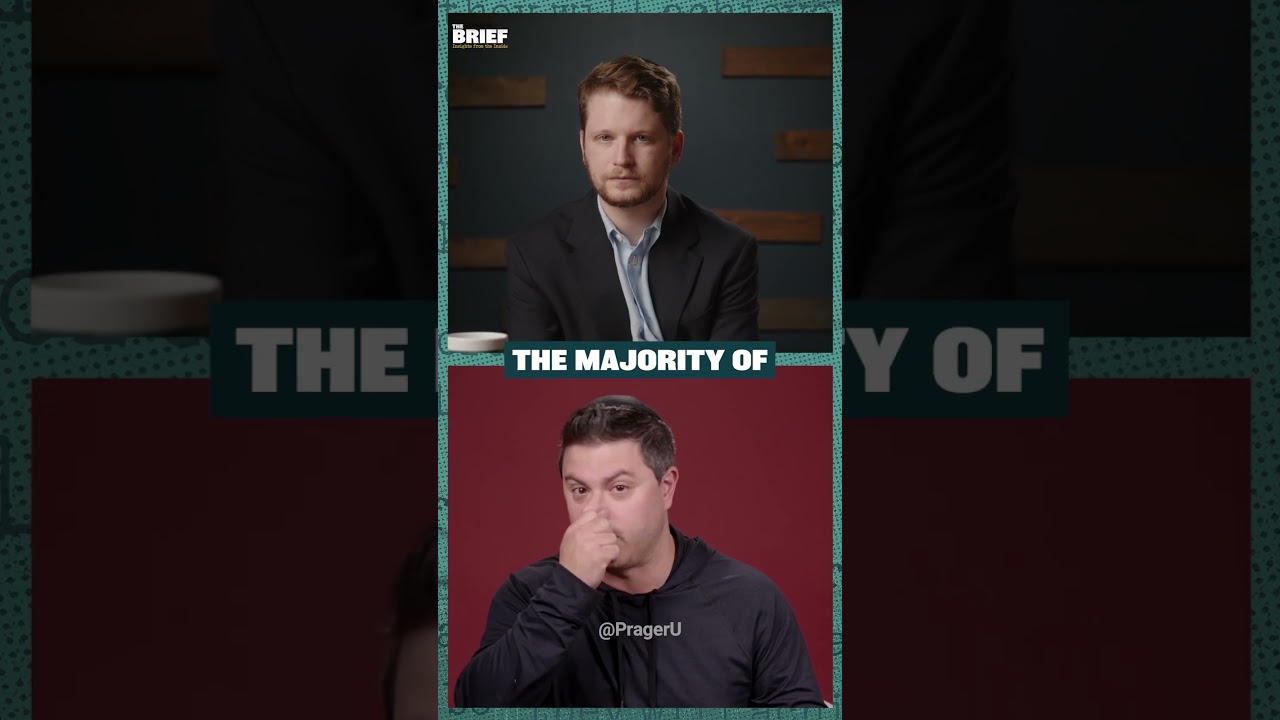
Provides a brief look into how mainstream conservative media outlets are attempting to navigate and define their relationship with more radical online factions.
@amikozak_official on Groypers, Free ...

Provides a clear, concise summary of major 19th-century milestones that are frequently featured on the actual U.S. naturalization test.
1800s U.S. History | U.S. Citizenship...

Provides a clear, concise summary of the specific facts required for the U.S. Naturalization Test, making it a functional study aid for that specific purpose.
Recent U.S. History | U.S. Citizenshi...

Provides a concise and engaging introduction to Lafayette's significant military and diplomatic contributions to the American Revolutionary War.
Lafayette: The French Hero of the Ame...

Provides a concise and engaging introduction to a pivotal but often overlooked logistical feat of the American Revolution.
Henry Knox: Washington’s Artillery Ma...
Viewer Guidance (3 tips)
Consider alternative frames
Information is consistently shaped from one angle. Seek out how other sources present the same facts.
Question unstated assumptions
Arguments rely on assumptions treated as obvious. Ask what you'd need to already believe for the claims to land.
Watch for emotional framing
This content frequently uses emotional appeal. Notice when feelings are being prioritized over evidence.
Technique Fingerprint (from knowledge graph)
Character flattening
Reducing a complex person to one defining trait — hero, villain, genius, fool — stripping away nuance that would complicate the narrative. Once someone is labeled, everything they do gets interpreted through that lens.
Fundamental attribution error (Ross, 1977); Propp's narrative archetypes (1928)
Curiosity gap
Creating a deliberate gap between what you know and what you want to know, triggering curiosity as an almost physical itch. Headlines like "You won't believe..." are engineered to exploit this. The content rarely delivers on the promise.
Loewenstein's Information Gap Theory (1994)
Performed authenticity
The deliberate construction of "realness" — confessional tone, casual filming, strategic vulnerability — designed to lower your guard. When someone appears unpolished and honest, you evaluate their claims less critically. The spontaneity is rehearsed.
Goffman's dramaturgy (1959); Audrezet et al. (2020) on performed authenticity
Moral framing
Presenting a complex issue with genuine tradeoffs as a simple choice between right and wrong. Once something is framed as a moral issue, compromise feels like complicity and disagreement feels immoral rather than reasonable.
Haidt's Moral Foundations Theory; Lakoff's framing research (2004)
In-group/Out-group framing
Leveraging your tendency to automatically trust information from "our people" and distrust outsiders. Once groups are established, people apply different standards of evidence depending on who is speaking.
Social Identity Theory (Tajfel & Turner, 1979); Cialdini's Unity principle (2016)
Similar Channels (shared influence techniques)
Featured People
Analyzed Videos (10)
Someone needs to hear this today...
3.7K views
Men are unable to become pregnant It's not controversial, it's a fact.
34.9K views
Marxists traded guns for classrooms.
10.1K views
@amikozak_official on Groypers, Free Speech, and the Future of MAGA
5.2K views

Henry Knox: Washington’s Artillery Master | 5-Minute Videos | PragerU
0 views
Top stories of the week 🗞️
14.6K views
Recent U.S. History | U.S. Citizenship 101 | PragerU
41.7K views
Fr. Sirico on Why Catholic Teaching Rejects Socialism, Marxism and Antisemitism | Real Talk
169.5K views

1800s U.S. History | U.S. Citizenship 101 | PragerU
78.5K views
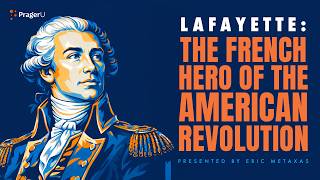
Lafayette: The French Hero of the American Revolution | 5-Minute Videos | PragerU
1.4M views