We can't find the internet
Attempting to reconnect
Something went wrong!
Attempting to reconnect
Analysis Summary
Ask yourself: “Whose perspective is missing here, and would the story change if they were included?”
Character flattening
Reducing a complex person to one defining trait — hero, villain, genius, fool — stripping away nuance that would complicate the narrative. Once someone is labeled, everything they do gets interpreted through that lens.
Fundamental attribution error (Ross, 1977); Propp's narrative archetypes (1928)
Worth Noting
Positive elements
- This video provides a concise and engaging introduction to Lafayette's significant military and diplomatic contributions to the American Revolutionary War.
Be Aware
Cautionary elements
- The narrative simplifies complex international diplomacy into a story of individual moral conviction to better fit a specific nationalistic framework.
Influence Dimensions
How are these scored?About this analysis
Knowing about these techniques makes them visible, not powerless. The ones that work best on you are the ones that match beliefs you already hold.
This analysis is a tool for your own thinking — what you do with it is up to you.
Related content covering similar topics.
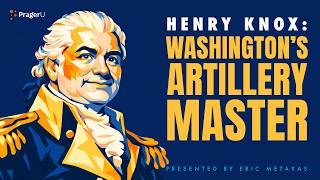
Video description
He was French by birth—but American by conviction. Wounded in battle, tireless in diplomacy, and fiercely loyal to George Washington, Lafayette became one of the Revolution’s most essential actors. Eric Metaxas, author of "Revolution," tells the story of the French hero who helped America win its independence. Watch our content ad-free on our app: https://prageru.onelink.me/3bas/vgyxvm79 Donate to PragerU: https://l.prageru.com/4jiAT85 Follow PragerU: Instagram ➡️ (https://www.instagram.com/prageru/) X ➡️ (https://twitter.com/prageru) Facebook ➡️ (https://www.facebook.com/prageru/) TikTok ➡️ (https://www.tiktok.com/@prageru)