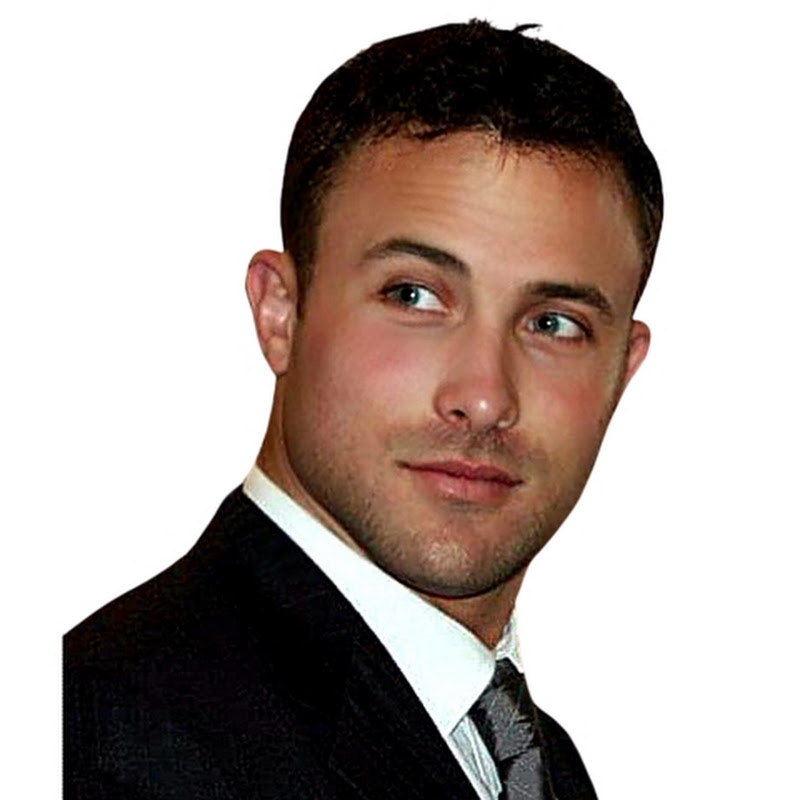
Anthony Chaffee MD
Executive Summary
Dr Anthony Chaffee is an American medical doctor currently practicing in Australia who, over a span of 20+ years, has researched the optimal nutrition for human performance and health. It is his assertion that most of the so-called chronic diseases w...
Across 11 videos, this channel demonstrates low persuasion intensity, primarily through Appeal to authority. Recurring themes suggest consistent operative goals beyond stated content.
Key Metrics
Channel Rating
Moderate persuasion used transparently. The channel is upfront about its perspective — this is rhetoric, not manipulation.
What's Valuable Here
Provides a doctor's concise linkage of insulin resistance to PCOS symptoms and metformin use as evidence.
The Number One Cause Of Infertility (PCOS) Is Called Type 4 ...
Provides specific examples of applying Enneagram dynamics to group problem-solving and personal anecdotes linking MTHFR/malabsorption to carnivore supplementation needs.
Rethinking Disease & Nutrition | Jen Martin Healing Compass

The video highlights the legitimate medical link between oral microbiome health and systemic issues like cardiovascular disease.
If It Rots Your Teeth - You Should NOT Eat It.
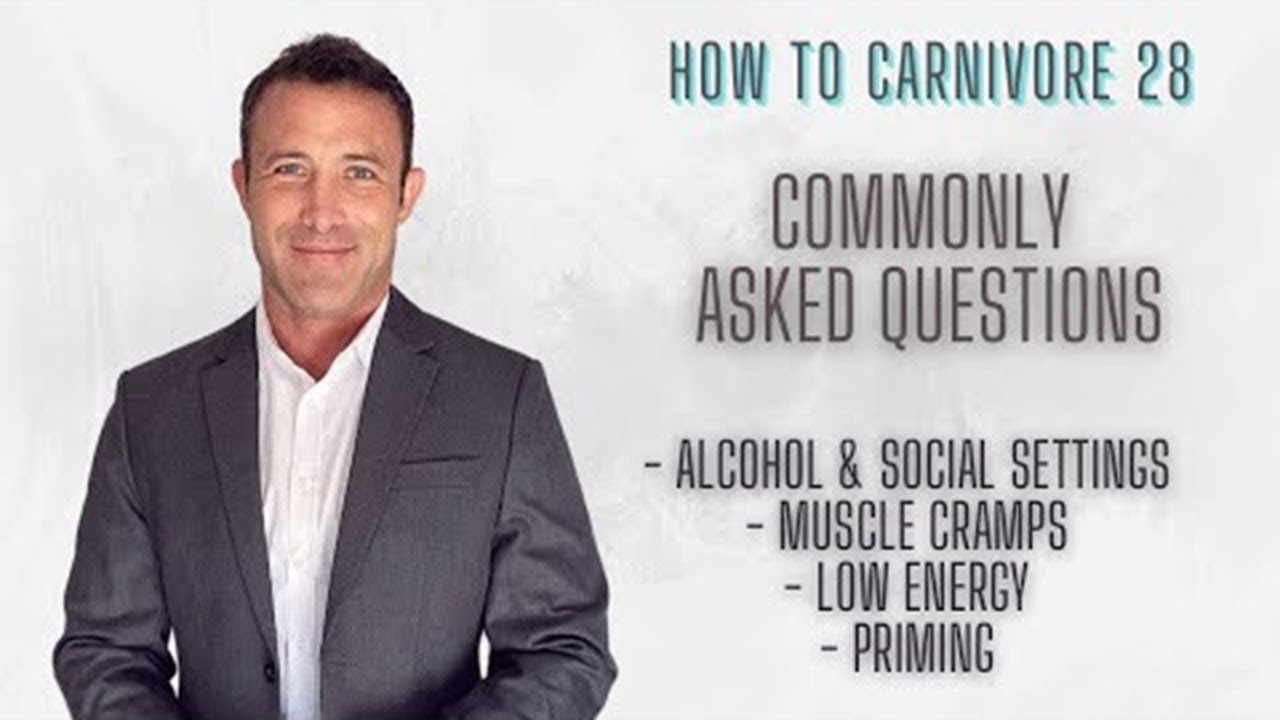
The video offers a firsthand account of the social and physical hurdles of extreme dietary shifts, which may be helpful for those already committed to the lifestyle.
Carnivore Diet FAQs with Dr Chaffee | Frequently Asked Quest...
The video provides a clear, albeit simplified, explanation of how ruminant animals like cows convert plant matter into saturated fats through bacterial fermentation.
You Cannot Actually Digest Fiber

The video provides a concise explanation of the biochemical pathway of fructose metabolism (fructolysis) and its role in lipogenesis.
Fat Causes Fatty Liver? Here's The Truth
Persuasion Dimensions
Most Used Techniques
Anchoring
Presenting an extreme number or claim first so everything after seems reasonable by comparison. The first piece of information becomes your reference point — even when it's arbitrary or deliberately inflated. Works even when you know the anchor is irrelevant.
Tversky & Kahneman's anchoring heuristic (1974)
In-group/Out-group framing
Leveraging your tendency to automatically trust information from "our people" and distrust outsiders. Once groups are established, people apply different standards of evidence depending on who is speaking.
Social Identity Theory (Tajfel & Turner, 1979); Cialdini's Unity principle (2016)
Forced equivalence
Presenting two things as equally valid when they aren't. By giving equal weight to a well-supported position and a fringe one, it manufactures the appearance of legitimate debate. Feels like fairness — "hearing both sides" — even when one side has overwhelming evidence.
Boykoff & Boykoff (2004) on media false balance
Single-cause framing
Attributing a complex outcome to a single cause, ignoring the web of contributing factors. A clean explanation is more satisfying and easier to act on than a complicated one. Especially effective when the proposed cause is something you already dislike.
Fallacy of the single cause; Kahneman's WYSIATI principle
Viewer Guidance
Information is consistently shaped from one angle. Seek out how other sources present the same facts.
Arguments rely on assumptions treated as obvious. Ask what you'd need to already believe for the claims to land.
Calls to action follow emotional buildup. Consider whether the ask would feel as urgent without the preceding framing.