We can't find the internet
Attempting to reconnect
Something went wrong!
Attempting to reconnect
Stanford Graduate School of Business · 2.4K views · 0 likes Short
Analysis Summary
Ask yourself: “If I turn the sound off, does this argument still hold up?”
Worth Noting
Positive elements
- Practical advice on avoiding AI extremes by layering human judgment, specific to business decision-making from a faculty expert.
Influence Dimensions
How are these scored?About this analysis
Knowing about these techniques makes them visible, not powerless. The ones that work best on you are the ones that match beliefs you already hold.
This analysis is a tool for your own thinking — what you do with it is up to you.
Related content covering similar topics.
Transcript
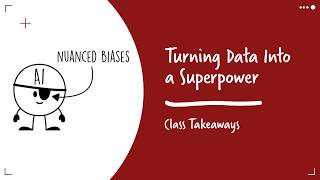
We often see two extremes. Those who avoid AI because it [music] makes mistakes and those who over rely on it. Both are suboptimal and the latter is even dangerous. These technologies often have blind spots, nuance issues of bias that won't go away easily. Your goal shouldn't be cognitive offloading or letting the machine do all the thinking. Instead, use your expert judgment to verify the output, understand the limitations, and layer your reasoning on top of the technology.
Video description
Having data isn’t a competitive advantage — knowing what to do with it is. In this quick video, Professor Mohsen Bayati shares five key insights from his course Business Intelligence from Big Data, explaining why “The ability to turn raw data into better decisions is a superpower.”