We can't find the internet
Attempting to reconnect
Something went wrong!
Attempting to reconnect

Communication Profile (across 10 videos)
Stated Purpose
This is the official Tucker Carlson YouTube page. Watch exclusive content on TuckerCarlson.com.
Operative Pattern
Across 10 videos, this channel demonstrates high persuasion intensity, primarily through Performed Authenticity. Recurring themes suggest consistent operative goals beyond stated content.
Avg Intensity
Avg Transparency
Top Technique
Performed authenticity
The deliberate construction of "realness" — confessional tone, casual filming, strategic vulnerability — designed to lower your guard. When someone appears unpolished and honest, you evaluate their claims less critically. The spontaneity is rehearsed.
Goffman's dramaturgy (1959); Audrezet et al. (2020) on performed authenticity
Persuasion Dimensions
Per-Video Operative Goals — detected in individual analyses

The content aims to drive traffic to the creator's independent platform by framing current geopolitical events as an existential crisis that only his coverage can properly explain.
The content seeks to reinforce a sense of personal threat and institutional betrayal to drive traffic to Tucker Carlson's independent platform.
The content aims to reinforce tribal loyalty and drive traffic to the creator's subscription platform through high-arousal insults.
The content aims to discredit Ted Cruz's foreign policy stance by framing it as unintelligent and out of touch with the channel's 'America First' perspective.

The content aims to foster skepticism toward US military intervention and institutional narratives regarding foreign conflict.
What's Valuable Here

This clip highlights a critical, albeit speculative, geopolitical question regarding the ultimate limits of Middle Eastern conflict escalation.
Could Israel Go Nuclear?
This clip provides a concise summary of a specific non-interventionist viewpoint regarding Middle Eastern conflicts.
Tucker: “I don’t want anything to do ...

This clip provides a direct example of the creator's rhetorical style and his willingness to use inflammatory language to maintain his brand identity.
Tucker: Joy Behar Is a B****
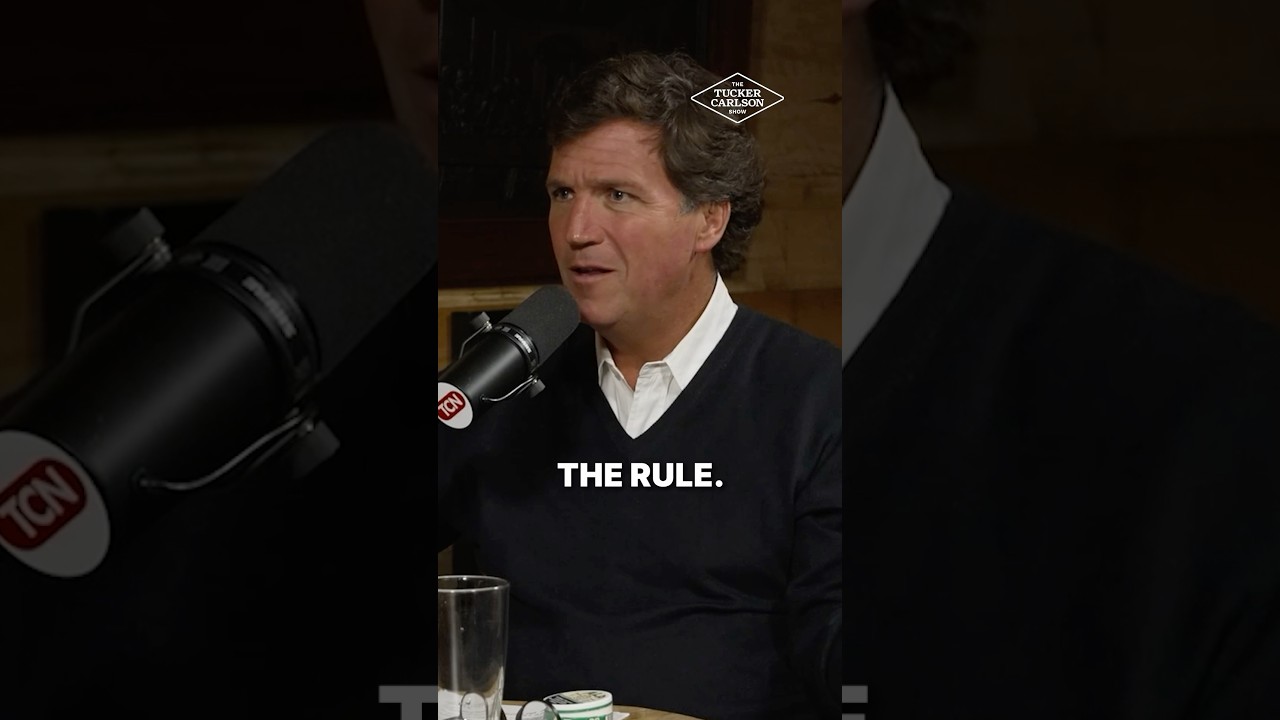
This clip provides a direct look at Carlson's current rhetorical strategy of positioning himself as a target of the state.
Tucker: “You’re Trying to Kill Me”

This clip provides a direct look at the perspective of a former CIA officer regarding internal agency conduct, which is a rare viewpoint in mainstream discourse.
Tucker: “Holy s**t!”
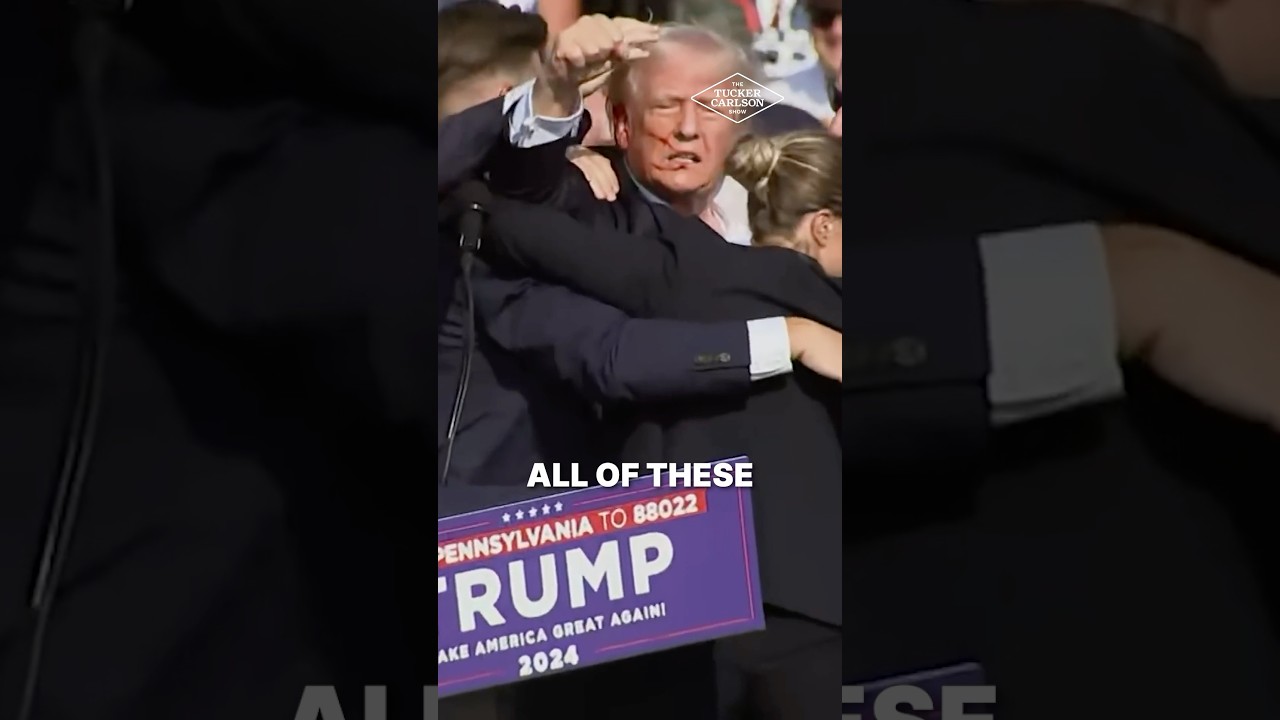
This content provides a clear example of how independent media figures use high-stakes geopolitical tension to build direct-to-consumer audience loyalty.
This Is the End
Viewer Guidance (3 tips)
Watch for emotional framing
This content frequently uses emotional appeal. Notice when feelings are being prioritized over evidence.
Notice retention tactics
Content structure prioritizes keeping you watching over informing you. Ask if the format serves understanding or attention.
Question unstated assumptions
Arguments rely on assumptions treated as obvious. Ask what you'd need to already believe for the claims to land.
Technique Fingerprint (from knowledge graph)
Character flattening
Reducing a complex person to one defining trait — hero, villain, genius, fool — stripping away nuance that would complicate the narrative. Once someone is labeled, everything they do gets interpreted through that lens.
Fundamental attribution error (Ross, 1977); Propp's narrative archetypes (1928)
Responsibility reframing
Reframing a situation so the person who caused harm appears to be the real victim, and the actual victim appears responsible. It forces observers to reconsider who deserves sympathy, distracting from the original wrongdoing.
Freyd's DARVO framework (1997) — Deny, Attack, Reverse Victim and Offender
Curiosity gap
Creating a deliberate gap between what you know and what you want to know, triggering curiosity as an almost physical itch. Headlines like "You won't believe..." are engineered to exploit this. The content rarely delivers on the promise.
Loewenstein's Information Gap Theory (1994)
Moral outrage
Provoking a sense that something is deeply unfair or wrong, activating a feeling that demands action — sharing, protesting, punishing — before you've fully evaluated the situation. It's one of the most viral emotions online because it combines anger with righteousness.
Haidt's Moral Foundations Theory (2004); Brady et al. (2017, PNAS)
Intensity amplification
Inflating the importance, drama, or shock value of information using superlatives, alarming framing, and emotional language. Once your alarm system activates, you stop evaluating proportionality.
Cultivation theory (Gerbner, 1969); availability heuristic (Tversky & Kahneman, 1973)
Performed authenticity
The deliberate construction of "realness" — confessional tone, casual filming, strategic vulnerability — designed to lower your guard. When someone appears unpolished and honest, you evaluate their claims less critically. The spontaneity is rehearsed.
Goffman's dramaturgy (1959); Audrezet et al. (2020) on performed authenticity
Similar Channels (shared influence techniques)
Featured People
Analyzed Videos (10)
Tucker: “I don’t want anything to do with that.”
97.7K views
Tucker: “You’re Trying to Kill Me”
270.2K views
Tucker: Joy Behar Is a B****
207.5K views
Could Israel Go Nuclear?
634.5K views

Tucker: Trump Was Forced to Do This
348.4K views
Prison Story (Insane)
166.1K views
We Bombed Children in Iran?
794.5K views

Tucker: “Holy s**t!”
265.4K views
Tucker to Ted Cruz: “Dumbo”
840.3K views
This Is the End
861.9K views