We can't find the internet
Attempting to reconnect
Something went wrong!
Attempting to reconnect
Communication Profile (across 10 videos)
Stated Purpose
New York City - JDP is hosted & produced by Julian Dorey "Julian Dorey Podcast" is also available on Apple & Spotify. IG: @julianddorey
Operative Pattern
Across 10 videos, this channel demonstrates moderate persuasion intensity, primarily through Intensity Amplification. Recurring themes suggest consistent operative goals beyond stated content.
Avg Intensity
Avg Transparency
Top Technique
Intensity amplification
Inflating the importance, drama, or shock value of information using superlatives, alarming framing, and emotional language. Once your alarm system activates, you stop evaluating proportionality.
Cultivation theory (Gerbner, 1969); availability heuristic (Tversky & Kahneman, 1973)
Persuasion Dimensions
Recurring Themes — AI-clustered from individual video analyses
Julian Dorey positions his podcast as a bastion of independent, long-form investigative journalism that tackles 'taboo' subjects like the Epstein files and systemic corruption. Regular viewers are encouraged to adopt a 'conspiracy-realist' worldview, distrust mainstream narratives, and support the host's independent platform to bypass perceived institutional censorship.
The channel focuses heavily on the Epstein scandal as a lens through which to view systemic cover-ups, Hollywood trafficking, and government complicity.
The host actively cultivates an image as an 'uncensored' and brave independent journalist to drive audience loyalty and Patreon conversions.
The content frames geopolitical events and high-profile scandals as evidence of a 'rigged' system, often linking them to spiritual warfare or religious narratives.
Per-Video Operative Goals — detected in individual analyses
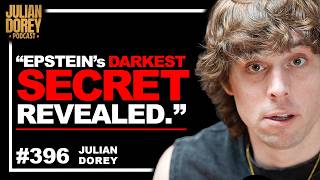
The content aims to build a loyal, paying audience by positioning the host as a brave, independent truth-seeker navigating a world of systemic cover-ups.
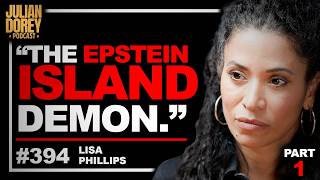
The content aims to provide a platform for a survivor's testimony while reinforcing a specific 'deep state' or systemic cover-up narrative regarding the Epstein case.

The content aims to provide a platform for a former operative to share high-stakes personal anecdotes while building the host's brand as a destination for 'underground' or 'exclusive' storytelling.
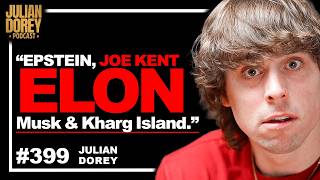
The content aims to build a loyal audience by providing speculative, deep-dive commentary on high-profile scandals and geopolitical tensions while positioning the host as a uniquely 'uncensored' truth-seeker.

The content wants you to engage with the channel (subscribe, Patreon, Discord) and view Islam as the authentic spiritual resistance to elite satanic control, aligning stated conspiracy discussion with overt promotion of guests' Muslim identity.
What's Valuable Here

Offers detailed personal conversion stories from Sonny and Bek, including Quran miracles and Prophet Muhammad's origins, providing granular insights into modern Muslim apologetics amid conspiracy contexts.
“It’s RIGGED!” - Satanism, Islam Expl...

Offers granular timestamps and document breakdowns on Epstein-Clinton links plus historical context like Fourth Turning for understanding crisis cycles.
"Epstein IRAN Link!" - Julian BLASTS ...
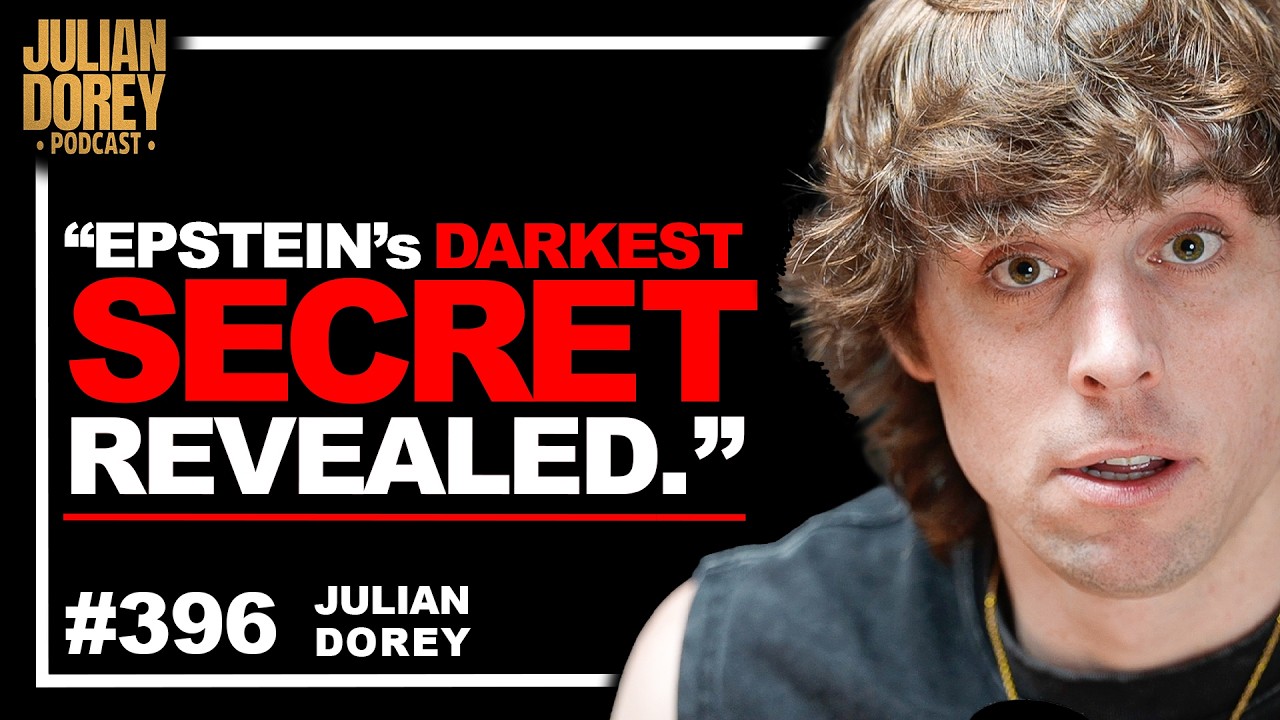
Provides a comprehensive summary of recent tabloid reports and public filings related to the Epstein case, serving as a news aggregator for those following the story.
"Epstein CHILD!" - Bill Gates Taliban...

Provides a detailed breakdown of specific brain structures like the TPJ and Insula and their roles in sensory mapping and social perception.
“Human TERMINATOR!” - Harvard Neurosc...

Provides a detailed historical account of the evolution of digital forensic stings and the early days of internet safety advocacy.
“Total SICKO!” - Catching Predators L...

Provides a detailed walkthrough of specific email threads from the Epstein files that are often only summarized in brief news clips.
Epstein Files LATEST, Joe Kent REACTI...
Viewer Guidance (3 tips)
Watch for group characterization
People or groups are reduced to types. Consider whether the characterization serves the argument more than the truth.
Watch for emotional framing
This content frequently uses emotional appeal. Notice when feelings are being prioritized over evidence.
Question unstated assumptions
Arguments rely on assumptions treated as obvious. Ask what you'd need to already believe for the claims to land.
Technique Fingerprint (from knowledge graph)
Curiosity gap
Creating a deliberate gap between what you know and what you want to know, triggering curiosity as an almost physical itch. Headlines like "You won't believe..." are engineered to exploit this. The content rarely delivers on the promise.
Loewenstein's Information Gap Theory (1994)
Intensity amplification
Inflating the importance, drama, or shock value of information using superlatives, alarming framing, and emotional language. Once your alarm system activates, you stop evaluating proportionality.
Cultivation theory (Gerbner, 1969); availability heuristic (Tversky & Kahneman, 1973)
In-group/Out-group framing
Leveraging your tendency to automatically trust information from "our people" and distrust outsiders. Once groups are established, people apply different standards of evidence depending on who is speaking.
Social Identity Theory (Tajfel & Turner, 1979); Cialdini's Unity principle (2016)
Performed authenticity
The deliberate construction of "realness" — confessional tone, casual filming, strategic vulnerability — designed to lower your guard. When someone appears unpolished and honest, you evaluate their claims less critically. The spontaneity is rehearsed.
Goffman's dramaturgy (1959); Audrezet et al. (2020) on performed authenticity
Us vs. Them
Dividing the world into two camps — people like us (good, trustworthy) and people not like us (dangerous, wrong). It exploits a deep human tendency to favor our own group. Once you accept the division, information from "them" gets automatically discounted.
Tajfel's Social Identity Theory (1979); Minimal Group Paradigm
Similar Channels (shared influence techniques)
Featured People
Analyzed Videos (10)
“Human TERMINATOR!” - Harvard Neuroscientist on Psychopaths, Love, Telepathy & The Halo Effect | 400
1.5K views
Epstein Files LATEST, Joe Kent REACTION & Iran Kharg Island Crisis EXPLAINED | Julian Dorey • 399
210.8K views
“He KNEW!” - Epstein Survivor: Hollywood Trafficking, NYC Mansion & Les Wexner | Lisa Phillips • 398
135.7K views
“Total SICKO!” - Catching Predators Legend on Epstein Files & Roblox COVERUP | Chris Hansen • 397
422.4K views
"Epstein CHILD!" - Bill Gates Taliban Deal, Ghislaine Maxwell & Diana, Kushner’s DARKEST Link | 396
225.1K views
“It’s RIGGED!” - Satanism, Islam Explained & Hollywood Mind Control | Sonny & Bek • 395
194.7K views
"Satanic!" - Epstein Survivor TELLS ALL on Epstein Island & Disturbing Links | Lisa Phillips • 394
557.5K views
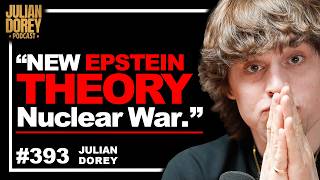
"Epstein IRAN Link!" - Julian BLASTS the Clintons, Latest Files & DOJ Coverup | 393
290.2K views
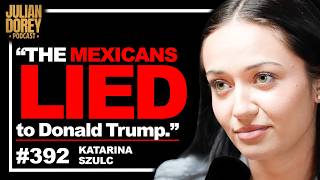
“It’s all STAGED!” - Top Cartel Journalist EXPOSES El Mencho’s Assassination | Kat Szulc • 392
387.5K views
“Narco HELL!” - Hunting Cartels: Occults, Mass Graves & Spiking Heads | 391
76.7K views