We can't find the internet
Attempting to reconnect
Something went wrong!
Attempting to reconnect
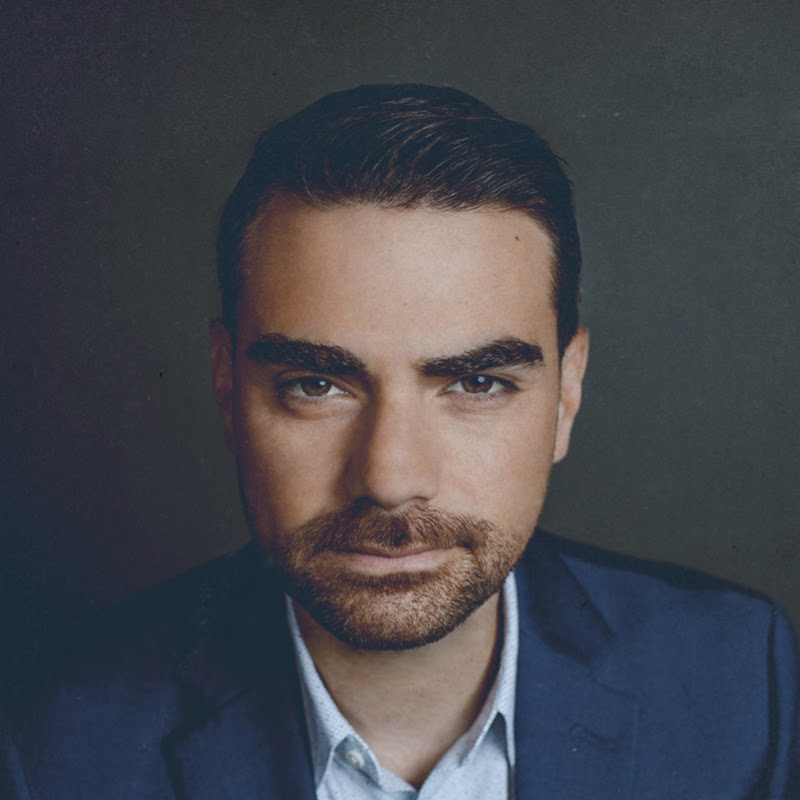
Communication Profile (across 10 videos)
Stated Purpose
Ben Shapiro is a renowned conservative political pundit, syndicated columnist, lawyer, and NYT bestselling author. He is Editor Emeritus of news and opinion site The Daily Wire and host of the popular...
Operative Pattern
Across 10 videos, this channel demonstrates moderate persuasion intensity, primarily through Association. Recurring themes suggest consistent operative goals beyond stated content.
Avg Intensity
Avg Transparency
Top Technique
Association
Pairing a new idea, product, or person with something you already feel positively or negatively about. The goal is to transfer your existing emotional response without any logical connection. It works below conscious awareness.
Evaluative conditioning (Pavlov); IPA 'Transfer' technique (1937)
Persuasion Dimensions
Recurring Themes — AI-clustered from individual video analyses
The channel operates as a high-intensity conversion funnel that blends political punditry with cultural commentary to build brand loyalty and DailyWire+ subscriptions. Regular viewers are conditioned to view mainstream institutions as inherently deceptive while adopting a specific conservative moral framework reinforced through humor and aggressive media criticism.
The channel consistently uses topical commentary and entertainment rankings as a funnel to drive traffic and paid subscriptions to the DailyWire+ platform.
This theme focuses on framing political adversaries and mainstream news outlets as dishonest, deceptive, or ideologically failing to establish the creator as the sole source of truth.
The channel leverages humor, film criticism, and nostalgia to humanize preferred political figures and solidify a shared cultural worldview among its audience.
Per-Video Operative Goals — detected in individual analyses
The content aims to reinforce a specific political narrative regarding media dishonesty and terrorism while driving traffic to the DailyWire+ subscription platform.

The content aims to reinforce a specific moral and political worldview regarding the Middle East conflict by highlighting a controversial naming decision.
The content seeks to reinforce a specific political identity by using humor and pop-culture mockery to delegitimize a political opponent.
The content aims to reinforce a specific conservative worldview by framing a public figure's departure as an inevitable consequence of ideological failure.

The content aims to reinforce a conservative worldview by framing mainstream media as deceptive and encouraging viewers to subscribe to the Daily Wire for the 'real' story.
What's Valuable Here

This clip provides a brief look at Donald Trump's rhetorical style and use of humor as a tool for public engagement.
Trump Is Hilarious

This clip provides a brief, lighthearted cultural touchstone that allows viewers to engage with the creator's personality outside of heavy political debate.
The 90s Were Something Else..

This clip provides a brief, non-political look at a major media figure's personality, which may be of interest to his existing fanbase.
Eyebrow game strong.
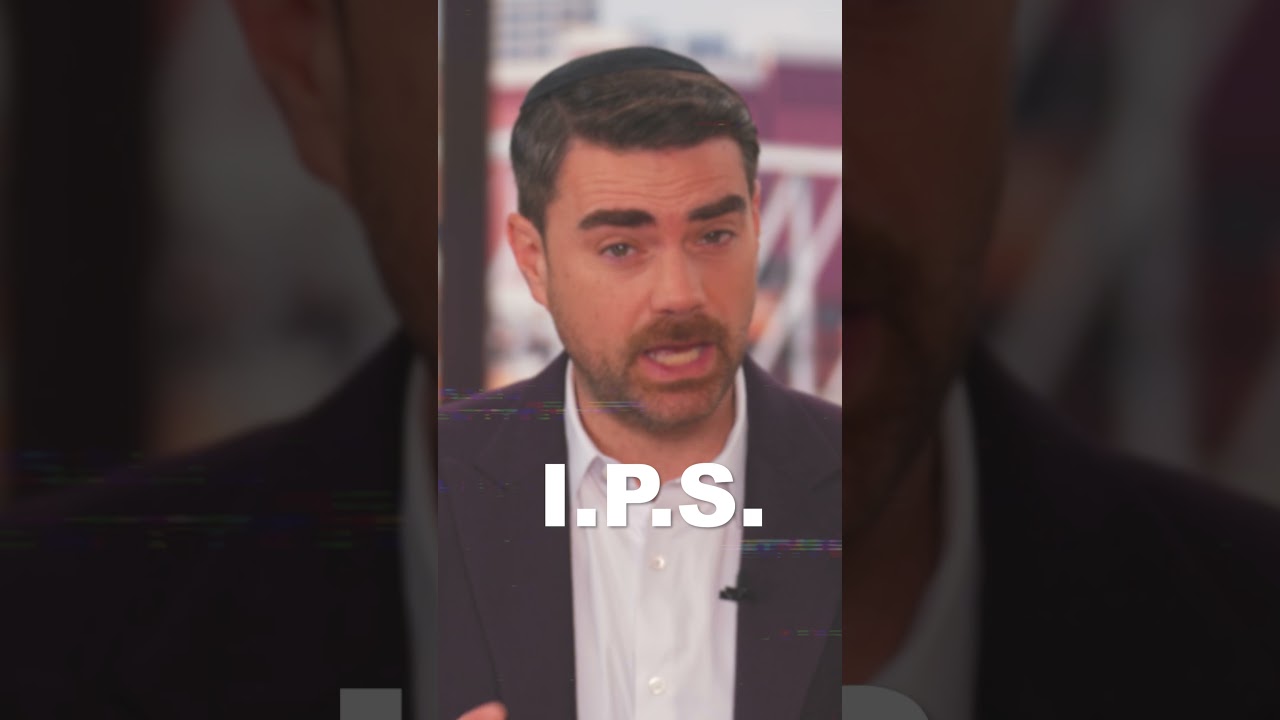
This clip provides a concise, albeit blunt, reminder about the importance of brevity and self-awareness in conversation.
Do You Have Verbal Diarrhea?

This content provides a concise example of how conservative media critiques mainstream narrative gaps to build a distinct community identity.
Why Is This Story Being Suppressed?

Provides a clear example of how specific local controversies are used to illustrate broader national and international political arguments within conservative media.
They Named A Street After A Terrorist...
Viewer Guidance (3 tips)
Watch for emotional framing
This content frequently uses emotional appeal. Notice when feelings are being prioritized over evidence.
Notice retention tactics
Content structure prioritizes keeping you watching over informing you. Ask if the format serves understanding or attention.
Watch for group characterization
People or groups are reduced to types. Consider whether the characterization serves the argument more than the truth.
Technique Fingerprint (from knowledge graph)
In-group/Out-group framing
Leveraging your tendency to automatically trust information from "our people" and distrust outsiders. Once groups are established, people apply different standards of evidence depending on who is speaking.
Social Identity Theory (Tajfel & Turner, 1979); Cialdini's Unity principle (2016)
Character flattening
Reducing a complex person to one defining trait — hero, villain, genius, fool — stripping away nuance that would complicate the narrative. Once someone is labeled, everything they do gets interpreted through that lens.
Fundamental attribution error (Ross, 1977); Propp's narrative archetypes (1928)
Loaded language
Using emotionally charged words where neutral ones would be more accurate. Calling the same policy 'reform' vs. 'gutting,' or the same people 'freedom fighters' vs. 'terrorists,' triggers different reactions to identical facts. The word choice does the persuading.
Hayakawa's Language in Thought and Action (1949); Lakoff's framing (2004)
Moral outrage
Provoking a sense that something is deeply unfair or wrong, activating a feeling that demands action — sharing, protesting, punishing — before you've fully evaluated the situation. It's one of the most viral emotions online because it combines anger with righteousness.
Haidt's Moral Foundations Theory (2004); Brady et al. (2017, PNAS)
Association
Pairing a new idea, product, or person with something you already feel positively or negatively about. The goal is to transfer your existing emotional response without any logical connection. It works below conscious awareness.
Evaluative conditioning (Pavlov); IPA 'Transfer' technique (1937)
Performed authenticity
The deliberate construction of "realness" — confessional tone, casual filming, strategic vulnerability — designed to lower your guard. When someone appears unpolished and honest, you evaluate their claims less critically. The spontaneity is rehearsed.
Goffman's dramaturgy (1959); Audrezet et al. (2020) on performed authenticity
Similar Channels (shared influence techniques)
Featured People
Analyzed Videos (10)

THESE Are The Best Movies Of The Year
11.0K views
They Named A Street After A Terrorist Supporter?!
75.0K views

Eyebrow game strong.
120.2K views
Lord Farquaad Attacks Trump
102.5K views
OF COURSE He Left
224.1K views

The 90s Were Something Else..
202.8K views
Do You Have Verbal Diarrhea?
23.3K views
She LIED About The Terrorist
292.2K views
Trump Is Hilarious
103.2K views
Why Is This Story Being Suppressed?
253.2K views