
MAZELEE
Executive Summary
Alena Maze and Joe Lee are bringing high-quality family-oriented multicultural media to Youtube. As a young married couple with nine children, Amyah, Akyli, Azaio, Arazo, Ajedi, Ajoui, Ajaiu, Baby, and the newborn, they document their journey to find...
Across 10 videos, this channel demonstrates low persuasion intensity, primarily through Parasocial leveraging. Recurring themes suggest consistent operative goals beyond stated content.
Key Metrics
Channel Rating
Moderate persuasion used transparently. The channel is upfront about its perspective — this is rhetoric, not manipulation.
What's Valuable Here
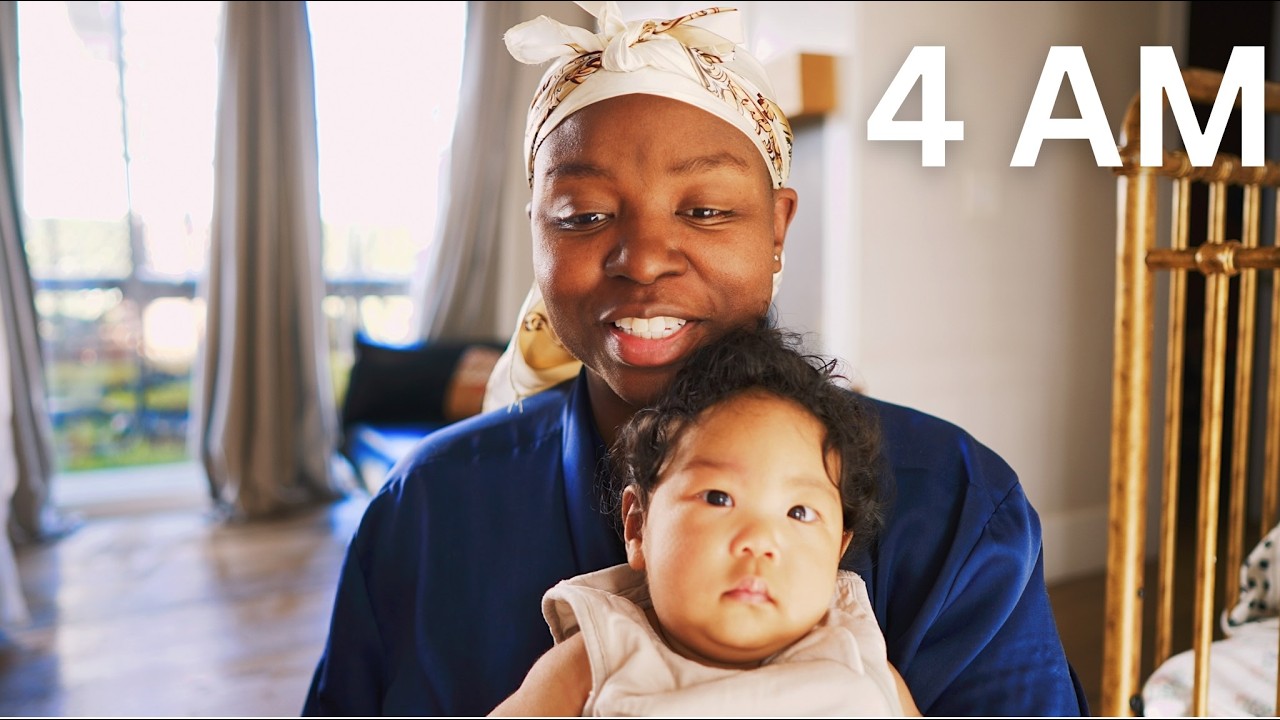
The video provides a practical example of time-blocking (A/B days) that may help large families manage complex schedules.
The 4am MORNING ROUTINE That You Were Never Supposed to See

Offers a glimpse into the logistical and emotional realities of managing a very large family and recovering from childbirth.
How I am REALLY doing after Baby #9 + my first TEMU Haul

Provides a candid look at the specific logistical and financial challenges faced by very large families (9+ children) in high-cost real estate markets.
We might have no choice but to leave California. *$2 million...
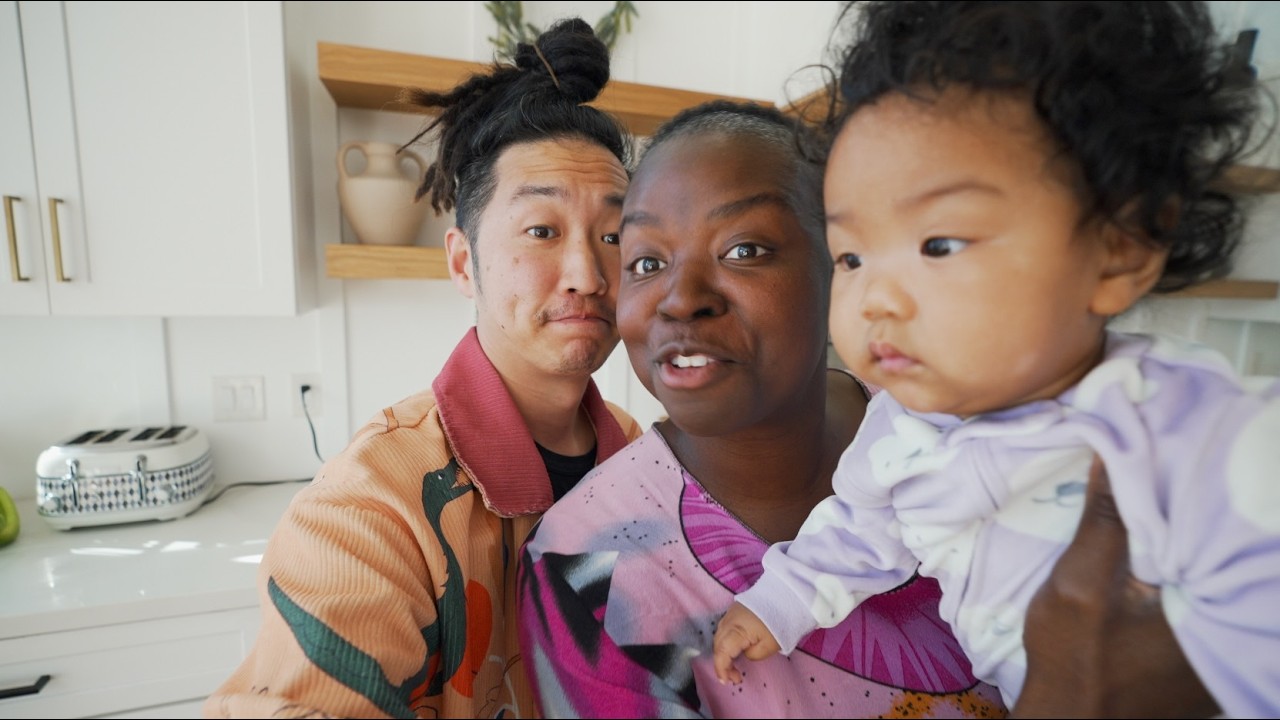
Provides a genuine look at how multicultural families navigate tradition and language preservation across generations.
Joe's Dad Reacts to Baby #9 + Tells us to "NOT Have Anymore ...

Provides a genuine look at the logistical and emotional dynamics of managing a large, multicultural blended family.
addressing RUDE comments that we should "STOP Having Kids"

Provides a genuine, multi-generational perspective on popular Korean food products, offering useful flavor comparisons for consumers.
Trying EVERY KOREAN BULDAK Ramen Flavor *and ranking them*
Persuasion Dimensions
Most Used Techniques
Performed authenticity
The deliberate construction of "realness" — confessional tone, casual filming, strategic vulnerability — designed to lower your guard. When someone appears unpolished and honest, you evaluate their claims less critically. The spontaneity is rehearsed.
Goffman's dramaturgy (1959); Audrezet et al. (2020) on performed authenticity
Association
Pairing a new idea, product, or person with something you already feel positively or negatively about. The goal is to transfer your existing emotional response without any logical connection. It works below conscious awareness.
Evaluative conditioning (Pavlov); IPA 'Transfer' technique (1937)
Intensity amplification
Inflating the importance, drama, or shock value of information using superlatives, alarming framing, and emotional language. Once your alarm system activates, you stop evaluating proportionality.
Cultivation theory (Gerbner, 1969); availability heuristic (Tversky & Kahneman, 1973)
Viewer Guidance
Calls to action follow emotional buildup. Consider whether the ask would feel as urgent without the preceding framing.
This content frequently uses emotional appeal. Notice when feelings are being prioritized over evidence.
Arguments rely on assumptions treated as obvious. Ask what you'd need to already believe for the claims to land.