
DeVory Darkins
Executive Summary
God, Family, and Country First! Common Sense Commentary for Uncommon Times!
Across 11 videos, this channel demonstrates low persuasion intensity, primarily through Us vs. Them. Recurring themes suggest consistent operative goals beyond stated content.
Key Metrics
Us vs. Them
Dividing the world into two camps — people like us (good, trustworthy) and people not like us (dangerous, wrong). It exploits a deep human tendency to favor our own group. Once you accept the division, information from "them" gets automatically discounted.
Tajfel's Social Identity Theory (1979); Minimal Group Paradigm
Channel Rating
Moderate persuasion used transparently. The channel is upfront about its perspective — this is rhetoric, not manipulation.
What's Valuable Here

Compiles recent clips and local reporting on Virginia's ICE detainer controversy and the Stephanie Mentor case for viewers tracking state immigration politics.
VIRGINIA IS FINISHED as the Governor betrays her own citizen...

Highlights specific FOIA-obtained police emails warning of the suspect's danger and his extensive 30+ arrest record, providing concrete case details often underreported.
Police drop FATAL NEWS for Virginia after the latest unthink...

Offers raw clips of key hearing exchanges, including specific figures like $343M autism spending and per-child calculations, enabling viewers to assess the testimony directly.
Tim Walz stunned after Congressional Hearing exposes his cri...

Provides a compilation of timely 2026 news clips from multiple sources on gas/oil price spikes, Trump admin responses, and market reactions, useful for quick context on the Iran conflict's economic ripple effects.
Democrats PANIC Over Gas Prices after Trump drops brutal ult...

Provides accessible breakdown of recent clips explaining Trump's 'strategic ambiguity' tactic with historical context like North Korea negotiations.
Trump drops shocking announcement regarding Troop Invasion i...
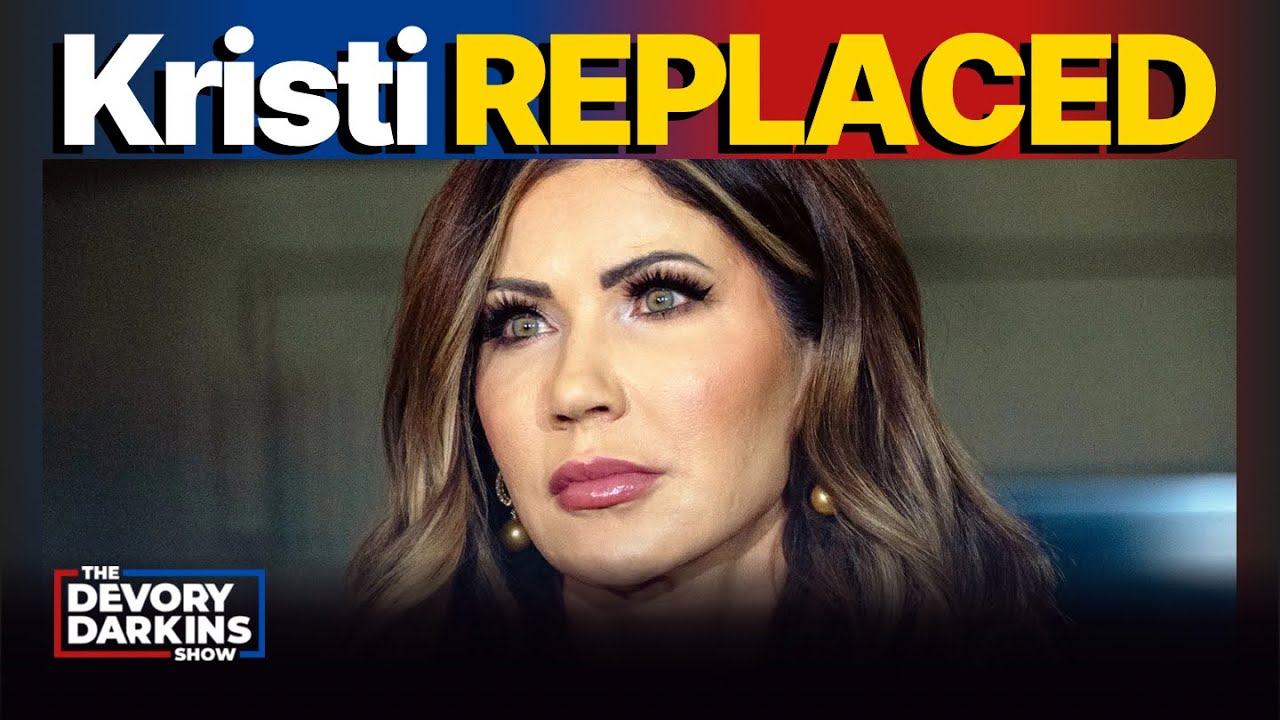
Provides timely clips and context on a fast-breaking 2026 cabinet change including press reactions and official statement.
Trump replaces Kristi Noem as DHS Secretary in stunning move
Persuasion Dimensions
Most Used Techniques
Us vs. Them
Dividing the world into two camps — people like us (good, trustworthy) and people not like us (dangerous, wrong). It exploits a deep human tendency to favor our own group. Once you accept the division, information from "them" gets automatically discounted.
Tajfel's Social Identity Theory (1979); Minimal Group Paradigm
In-group/Out-group framing
Leveraging your tendency to automatically trust information from "our people" and distrust outsiders. Once groups are established, people apply different standards of evidence depending on who is speaking.
Social Identity Theory (Tajfel & Turner, 1979); Cialdini's Unity principle (2016)
Viewer Guidance
People or groups are reduced to types. Consider whether the characterization serves the argument more than the truth.
This content frequently uses emotional appeal. Notice when feelings are being prioritized over evidence.
Information is consistently shaped from one angle. Seek out how other sources present the same facts.