We can't find the internet
Attempting to reconnect
Something went wrong!
Attempting to reconnect
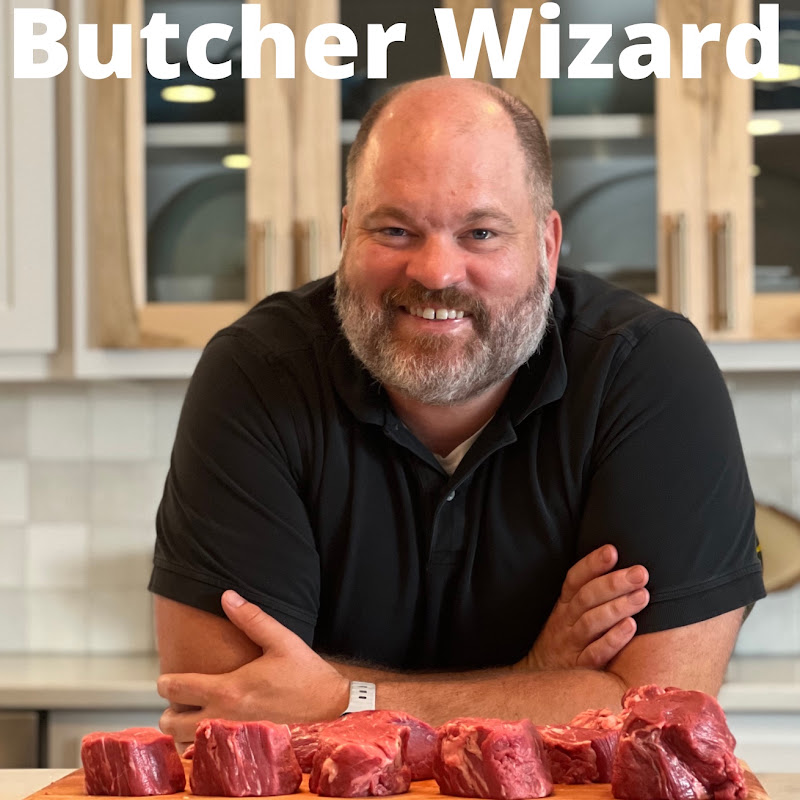
Butcher Wizard
@butcherwizard · 333.0K subscribers · 184 videos · 10 analyzed
Share Influence ReportCommunication Profile (across 10 videos)
Stated Purpose
The Butcher Wizard Channel focuses on showing viewers how to butcher large cuts of meat so that they can save money and make better meals. The channel not only has videos about butchery but also reci...
Operative Pattern
Across 10 videos, this channel demonstrates low persuasion intensity, primarily through Anchoring. Recurring themes suggest consistent operative goals beyond stated content.
Avg Intensity
Avg Transparency
Top Technique
Anchoring
Presenting an extreme number or claim first so everything after seems reasonable by comparison. The first piece of information becomes your reference point — even when it's arbitrary or deliberately inflated. Works even when you know the anchor is irrelevant.
Tversky & Kahneman's anchoring heuristic (1974)
Persuasion Dimensions
Per-Video Operative Goals — detected in individual analyses
The video aims to demonstrate home butchery skills while converting viewers into paid members of the 'Primal Cuts Club' and customers for the host's proprietary knife line.
The video aims to provide practical meat-buying advice while cross-promoting the host's cookbook, knife line, and a cholesterol supplement sponsorship.
The video aims to sell memberships to the 'Primal Cuts Club' and the creator's line of knives by demonstrating the cost-saving value of home butchery.
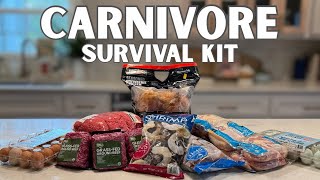
The video aims to convert viewers into paying members of the 'Primal Cuts Club' by positioning butchery skills as the only viable way to afford a carnivore lifestyle.
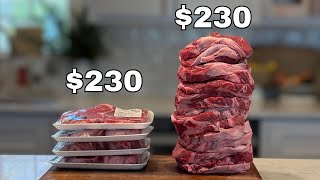
The video aims to demonstrate the cost-effectiveness of DIY butchery to drive sales for the creator's 'Primal Cuts Club' membership and branded knife collection.
What's Valuable Here

The video offers a clear, step-by-step technical guide to a specialized butchery skill (seam butchery) that genuinely helps viewers maximize the value of a primal cut.
I Took A Ribeye Steak And Made It Better
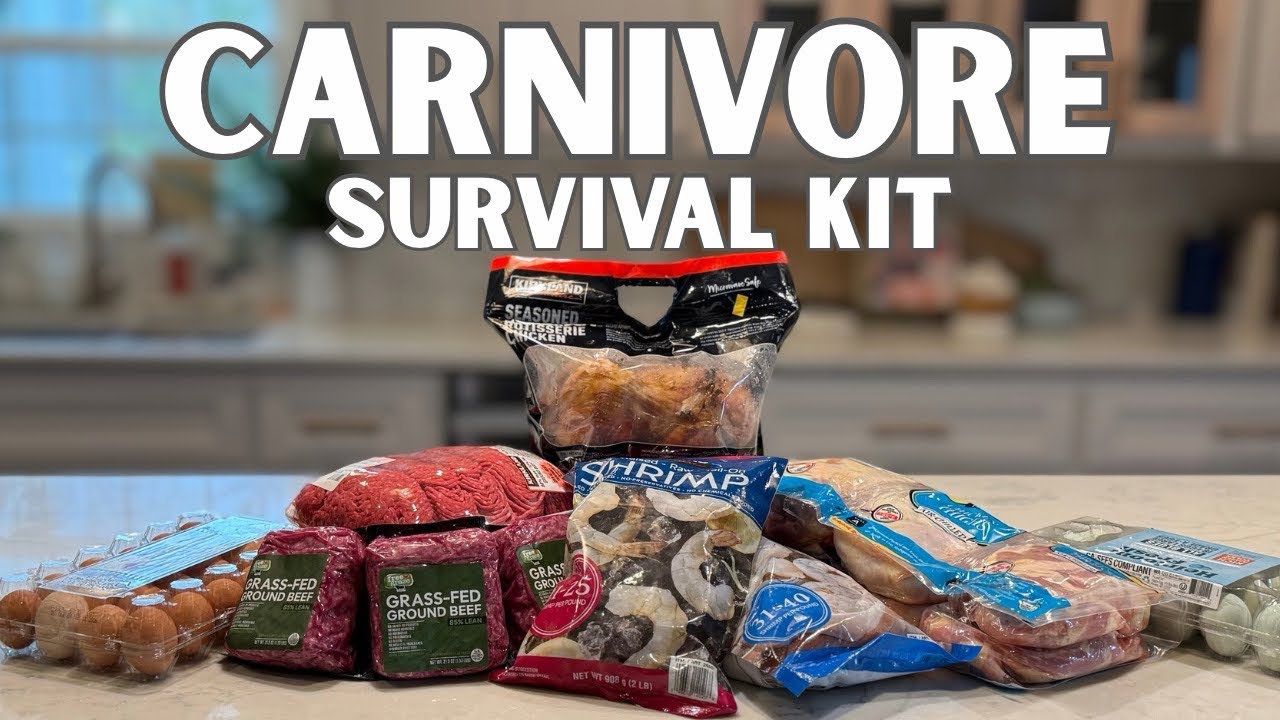
The video offers genuine culinary insight into identifying specific beef cuts (like the flat iron) and the price discrepancies between whole and pre-cut meats.
20 Food Items That A NEW Carnivore Di...

The video offers high-quality, practical instruction on beef anatomy and specific knife techniques for breaking down subprimal cuts.
This Butcher’s Secret Cut Is The Best...

The video offers high-quality, practical instruction on identifying muscle groups (the chain, silver skin, head vs. tail) within a beef tenderloin.
Butcher Reveals How To Cook The Perfe...

The video provides a practical, visual demonstration of how to identify the chuck vs. strip ends of a ribeye and the physical technique for making even slices.
Get More Ribeyes For LESS Money With ...
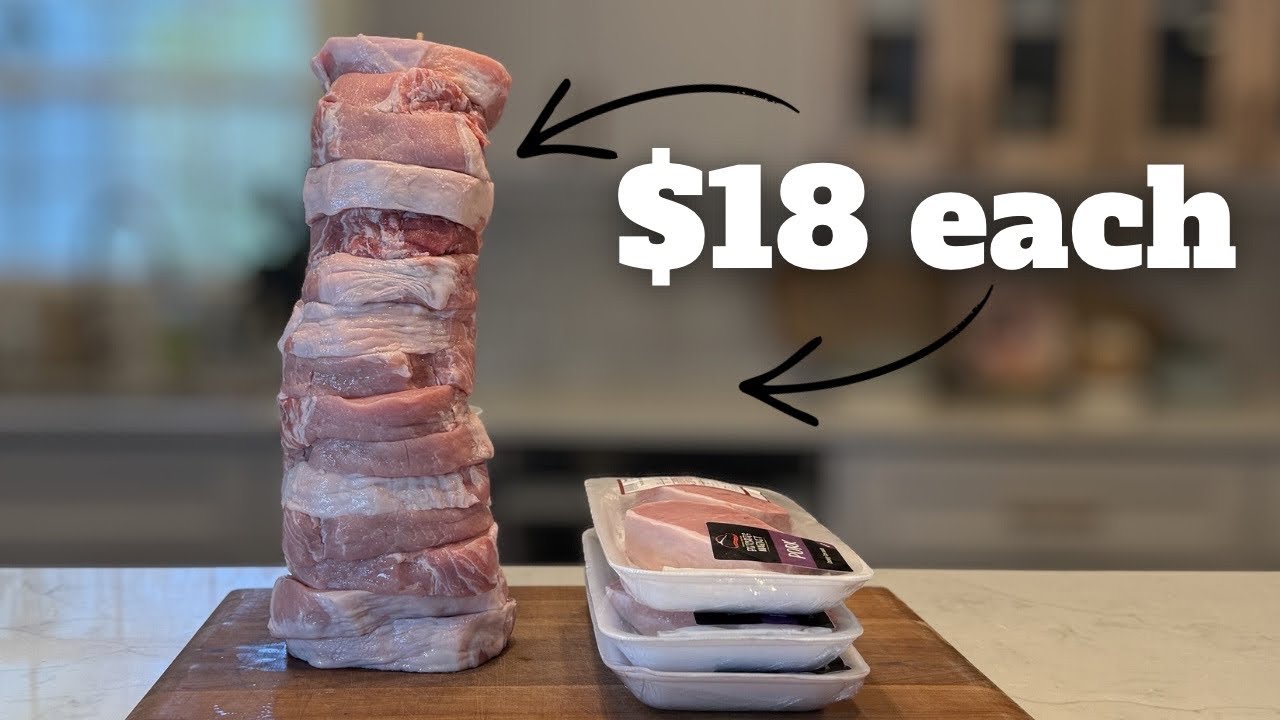
The video provides clear, high-quality visual instruction on how to safely break down a pork loin and create stuffed chops.
Stop Wasting Money On Pork Chops! Do ...
Viewer Guidance (1 tips)
Evaluate the ask
Calls to action follow emotional buildup. Consider whether the ask would feel as urgent without the preceding framing.
Technique Fingerprint (from knowledge graph)
In-group/Out-group framing
AI detected as: Financial Framing
Leveraging your tendency to automatically trust information from "our people" and distrust outsiders. Once groups are established, people apply different standards of evidence depending on who is speaking.
Social Identity Theory (Tajfel & Turner, 1979); Cialdini's Unity principle (2016)
Anchoring
AI detected as: Incentive Anchoring
Presenting an extreme number or claim first so everything after seems reasonable by comparison. The first piece of information becomes your reference point — even when it's arbitrary or deliberately inflated. Works even when you know the anchor is irrelevant.
Tversky & Kahneman's anchoring heuristic (1974)
Urgency framing
AI detected as: Manufactured Necessity
Creating artificial time pressure to force a decision before you can think it through. 'Only 3 left!' 'Act now!' The technique works because genuine scarcity is a real signal, so the urgency feels rational even when it's manufactured.
Cialdini's Scarcity principle (1984); dark patterns research (Mathur et al., 2019)
Anchoring
AI detected as: Anchoring And Framing
Presenting an extreme number or claim first so everything after seems reasonable by comparison. The first piece of information becomes your reference point — even when it's arbitrary or deliberately inflated. Works even when you know the anchor is irrelevant.
Tversky & Kahneman's anchoring heuristic (1974)
Anchoring
AI detected as: Value Anchoring
Presenting an extreme number or claim first so everything after seems reasonable by comparison. The first piece of information becomes your reference point — even when it's arbitrary or deliberately inflated. Works even when you know the anchor is irrelevant.
Tversky & Kahneman's anchoring heuristic (1974)
In-group/Out-group framing
AI detected as: Financial Anxiety Framing
Leveraging your tendency to automatically trust information from "our people" and distrust outsiders. Once groups are established, people apply different standards of evidence depending on who is speaking.
Social Identity Theory (Tajfel & Turner, 1979); Cialdini's Unity principle (2016)
Urgency framing
AI detected as: Scarcity Framing
Creating artificial time pressure to force a decision before you can think it through. 'Only 3 left!' 'Act now!' The technique works because genuine scarcity is a real signal, so the urgency feels rational even when it's manufactured.
Cialdini's Scarcity principle (1984); dark patterns research (Mathur et al., 2019)
Problem-solution Framing (anxiety About Meat Prices/health Used To Sell Products)
This technique was detected by AI but doesn't yet map to our curated glossary. We're tracking its usage patterns.
Anchoring
Presenting an extreme number or claim first so everything after seems reasonable by comparison. The first piece of information becomes your reference point — even when it's arbitrary or deliberately inflated. Works even when you know the anchor is irrelevant.
Tversky & Kahneman's anchoring heuristic (1974)
In-group/Out-group framing
Leveraging your tendency to automatically trust information from "our people" and distrust outsiders. Once groups are established, people apply different standards of evidence depending on who is speaking.
Social Identity Theory (Tajfel & Turner, 1979); Cialdini's Unity principle (2016)
Urgency framing
Creating artificial time pressure to force a decision before you can think it through. 'Only 3 left!' 'Act now!' The technique works because genuine scarcity is a real signal, so the urgency feels rational even when it's manufactured.
Cialdini's Scarcity principle (1984); dark patterns research (Mathur et al., 2019)
Similar Channels (shared influence techniques)
Featured People
Analyzed Videos (10)
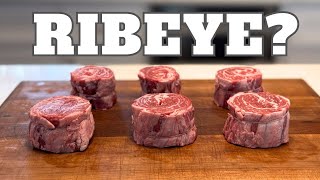
I Took A Ribeye Steak And Made It Better
10.0K views
Stop Wasting Money On Pork Chops! Do this Instead
9.8K views
Butcher Reveals How To Cook The Perfect Steak
7.3K views
Bone Broths: Cheap Vs Expensive Vs Homemade
5.3K views
5 Underrated Beef Cuts Under $10/lb
14.1K views
This Butcher’s Secret Cut Is The Best Deal On Beef You Can Get
53.6K views
20 Food Items That A NEW Carnivore Dieter Can’t Live Without!
34.1K views
Get More Ribeyes For LESS Money With This Method
43.6K views
Stop Overpaying For Prime Rib! Do This Instead!
37.1K views
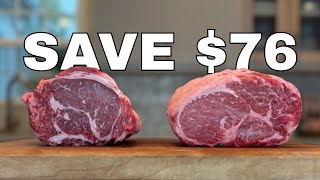
Does A Cheaper Prime Rib Alternative Exist? Let Me Show You!
23.4K views