We can't find the internet
Attempting to reconnect
Something went wrong!
Attempting to reconnect
Communication Profile (across 10 videos)
Stated Purpose
Mario Nawfal is the host of the largest show on X (formerly Twitter) with guests including Hunter Biden, Elon Musk, President Lukashenko, President Kagame, President Bolsonaro, President Novak, PM Imr...
Operative Pattern
Across 10 videos, this channel demonstrates moderate persuasion intensity, primarily through Appeal To Authority. Recurring themes suggest consistent operative goals beyond stated content.
Avg Intensity
Avg Transparency
Top Technique
Persuasion Dimensions
Intensity Over Time
Per-Video Operative Goals — detected in individual analyses
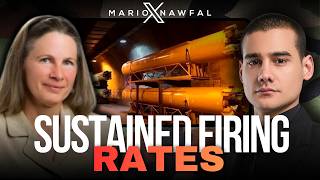
The content aims to present a contrarian, 'realist' geopolitical analysis that emphasizes Western military vulnerability and Iranian strategic competence to challenge mainstream media narratives.

To convince viewers that Israeli donors corrupt US presidents through massive campaign contributions, fostering outrage against foreign influence in American politics.

The content aims to position the host as a central figure in 'citizen journalism' while leveraging a high-profile guest to critique Trump's foreign policy and drive traffic to the host's social ecosystem.

The content aims to position the host as a central figure in 'citizen journalism' while providing a platform for geopolitical analysis that favors non-Western or contrarian perspectives.
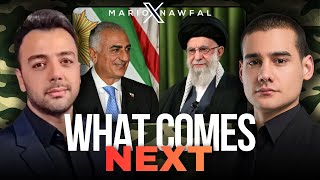
The content aims to position Mario Nawfal as a central hub for 'citizen journalism' and geopolitical insight while providing a platform for Iranian opposition perspectives.
What's Valuable Here

Provides a direct platform for a prominent Iranian journalist to share an opposition-aligned perspective on internal Iranian dynamics.
THE FATE OF IRAN REVEALED - Pouria Ze...

Provides access to Stanislav Krapivnik's perspective on the Iran war, potentially offering insider geopolitical analysis in an interview format.
📱WHO IS WINNING THE IRAN WAR? - w/ St...

Provides detailed military analysis from an ex-CIA perspective on specific assets like AN/FPS-132 radars and THAAD batteries affected in the conflict.
IRAN CONTINUES BOMBING GULF - Ex-CIA ...

Provides specific figures on top donors to Trump ($337M from Adelsons) and Biden ($11M from AIPAC), useful for tracking campaign finance sources.
ISRAEL "BUYS" OUR PRESIDENTS?
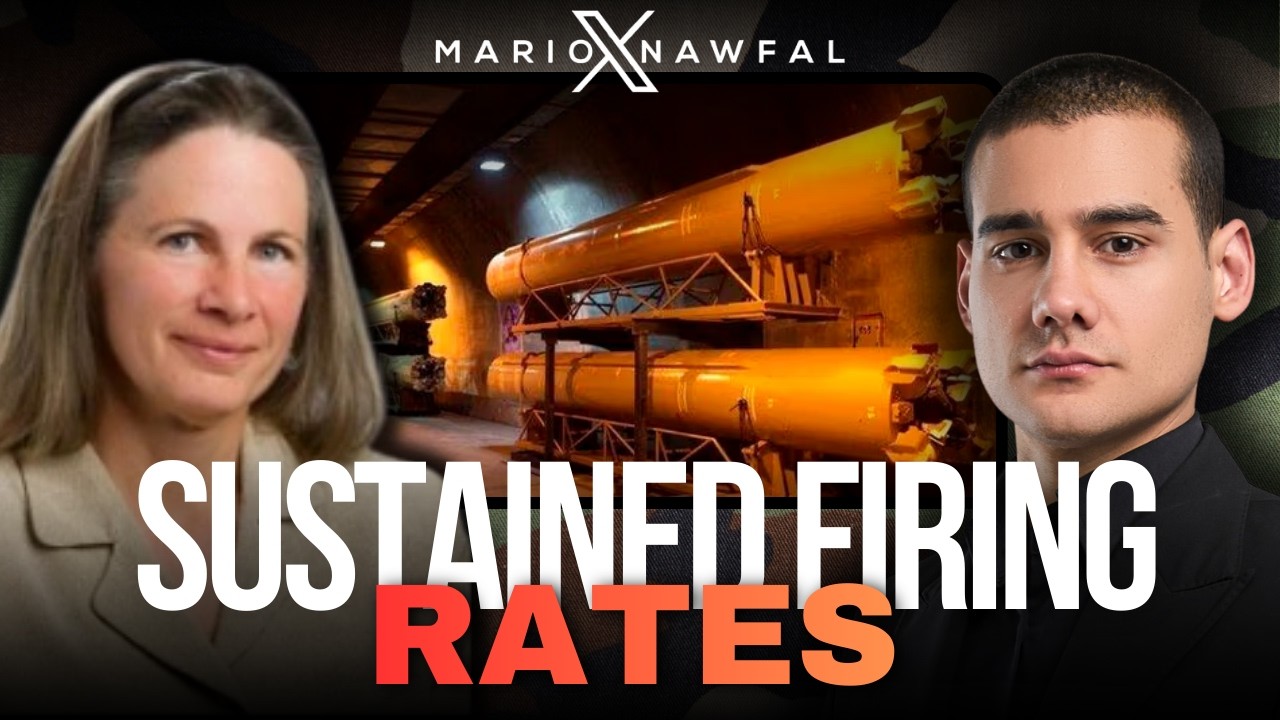
Provides a critical look at the logistical costs of missile defense (attrition warfare) and the historical complexities of US-Kurdish relations.
IRAN IS CONSERVING MISSILES?! - US Lt...

Provides a detailed breakdown of how transactional leadership styles may fail when encountering ideologically driven adversaries.
Trump's FATAL MISCALCULATION On Iran ...
Viewer Guidance (3 tips)
Consider alternative frames
Information is consistently shaped from one angle. Seek out how other sources present the same facts.
Question unstated assumptions
Arguments rely on assumptions treated as obvious. Ask what you'd need to already believe for the claims to land.
Watch for emotional framing
This content frequently uses emotional appeal. Notice when feelings are being prioritized over evidence.
Technique Fingerprint (from knowledge graph)
Linguistic Presupposition Of Criminality
This technique was detected by AI but doesn't yet map to our curated glossary. We're tracking its usage patterns.
Narrative-driven Speculation Presented As Historical Analysis
This technique was detected by AI but doesn't yet map to our curated glossary. We're tracking its usage patterns.
Presupposition Of Future Events
This technique was detected by AI but doesn't yet map to our curated glossary. We're tracking its usage patterns.
Anchoring
Presenting an extreme number or claim first so everything after seems reasonable by comparison. The first piece of information becomes your reference point — even when it's arbitrary or deliberately inflated. Works even when you know the anchor is irrelevant.
Tversky & Kahneman's anchoring heuristic (1974)
Confirmation appeal
Selectively presenting information that confirms what you probably already believe. Content that matches your existing worldview requires almost no mental effort to accept — it just feels obviously true.
Wason (1960); Nickerson's confirmation bias review (1998)
Curiosity gap
Creating a deliberate gap between what you know and what you want to know, triggering curiosity as an almost physical itch. Headlines like "You won't believe..." are engineered to exploit this. The content rarely delivers on the promise.
Loewenstein's Information Gap Theory (1994)
Us vs. Them
Dividing the world into two camps — people like us (good, trustworthy) and people not like us (dangerous, wrong). It exploits a deep human tendency to favor our own group. Once you accept the division, information from "them" gets automatically discounted.
Tajfel's Social Identity Theory (1979); Minimal Group Paradigm
Similar Channels (shared influence techniques)
Featured People
Analyzed Videos (10)
WHO IS WINNING THE IRAN WAR? - w/ Stanislav Krapivnik
0 views

📱WHO IS WINNING THE IRAN WAR? - w/ Stanislav Krapivnik
0 views
THE FATE OF IRAN REVEALED - Pouria Zeraati On Iran's Future
3.4K views

📱THE FATE OF IRAN REVEALED - Pouria Zeraati On Iran's Future
2.8K views
ISRAEL "BUYS" OUR PRESIDENTS?
5.3K views
📱TRUMP'S "IRAN DISASTER" WORSE THAN YOU THINK - w/ Anthony Scaramucci
1.4K views
TRUMP'S "IRAN DISASTER" WORSE THAN YOU THINK - w/ Anthony Scaramucci
1.2K views
Trump's FATAL MISCALCULATION On Iran - Ian Bremmer On Iran War
17.4K views
IRAN CONTINUES BOMBING GULF - Ex-CIA Larry Johnson On Iran War
99.8K views
IRAN IS CONSERVING MISSILES?! - US Lt. Col. Karen Kwiatowski
15.2K views