
Layze
Executive Summary
subscribing is free but my onlyf@ns isnt jk my mom watches my videos Business Inquiries: layze@sparkmedia.la
Across 10 videos, this channel demonstrates low persuasion intensity, primarily through Parasocial leveraging. Recurring themes suggest consistent operative goals beyond stated content.
Key Metrics
Channel Rating
Moderate persuasion used transparently. The channel is upfront about its perspective — this is rhetoric, not manipulation.
What's Valuable Here

The video provides a clear, albeit satirical, look at how generative AI is currently being used to target older demographics on social media platforms like Facebook.
Boomers Getting Cooked by AI

The video provides a critical, albeit hyperbolic, look at the financial extremes of theme park fandom and the 'Disney wedding' industry.
Disney Adults Obsession With Giving Birth At Disney

The video provides a cultural snapshot of how international food trends are adapted and 'Americanized' through social media platforms like TikTok.
When You Order the Entire Menu Except a Salad

The video provides a humorous critique of potentially dangerous health trends like feeding raw butter to infants and the 'carnivore' diet.
When Your Diet Lasts 4 Seconds
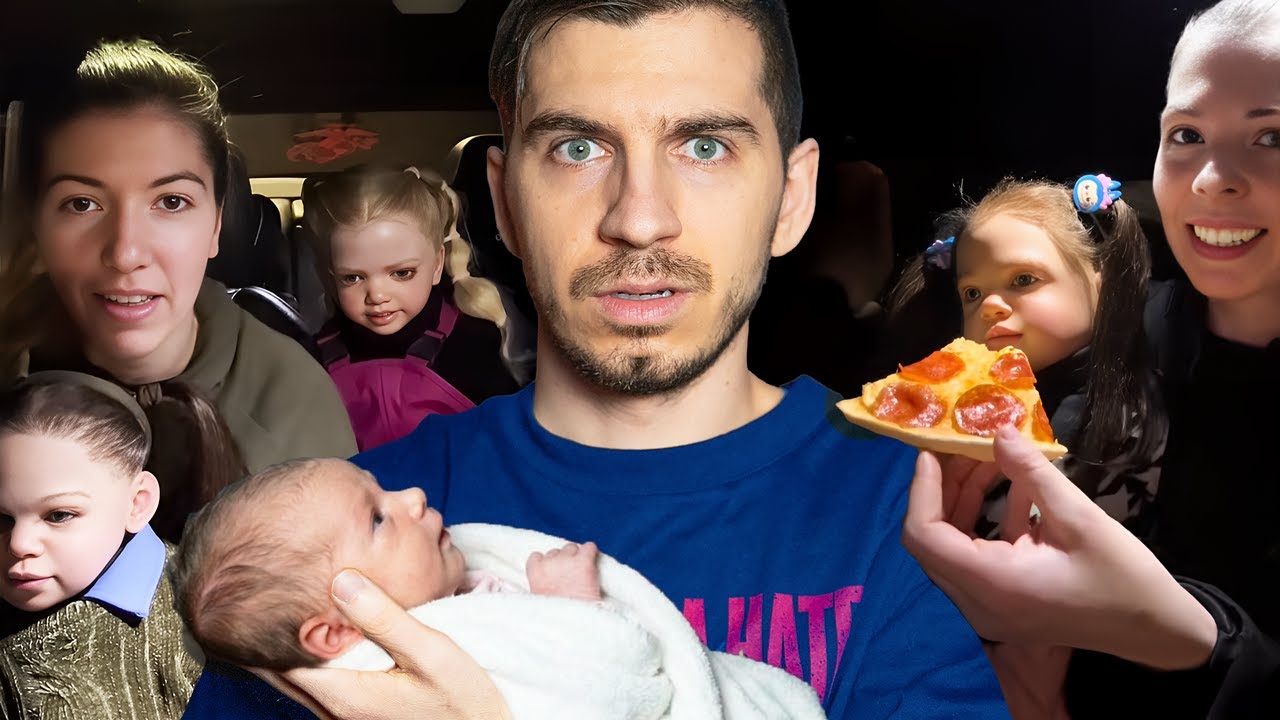
The video provides a humorous look at a niche internet subculture and correctly identifies the performative aspects of 'reborn doll' content creators.
Her Kids Are NOT Real

The video provides a humorous, albeit hyperbolic, look at the parasocial extremes of modern celebrity worship and the 'cringe' subculture of TikTok.
Are The Swifties Mentally Okay?
Persuasion Dimensions
Most Used Techniques
Anchoring
Presenting an extreme number or claim first so everything after seems reasonable by comparison. The first piece of information becomes your reference point — even when it's arbitrary or deliberately inflated. Works even when you know the anchor is irrelevant.
Tversky & Kahneman's anchoring heuristic (1974)
Association
Pairing a new idea, product, or person with something you already feel positively or negatively about. The goal is to transfer your existing emotional response without any logical connection. It works below conscious awareness.
Evaluative conditioning (Pavlov); IPA 'Transfer' technique (1937)
Conditional emotional appeal
Using guilt, fear, or obligation to pressure you into compliance. The message is: "If you were a good person, you would do this." It bypasses rational evaluation by making refusal feel like a moral failure.
Forward's FOG model (1997) — Fear, Obligation, Guilt
Emotional Bridging (using Manufactured Discomfort To Sell A Product As A 'remedy' Or Mood-booster).
This technique was detected by AI but doesn't yet map to our curated glossary. We're tracking its usage patterns.
Viewer Guidance
People or groups are reduced to types. Consider whether the characterization serves the argument more than the truth.
This content frequently uses emotional appeal. Notice when feelings are being prioritized over evidence.
Calls to action follow emotional buildup. Consider whether the ask would feel as urgent without the preceding framing.