We can't find the internet
Attempting to reconnect
Something went wrong!
Attempting to reconnect

Communication Profile (across 10 videos)
Stated Purpose
subscribing is free but my onlyf@ns isnt jk my mom watches my videos Business Inquiries: layze@sparkmedia.la
Operative Pattern
Across 10 videos, this channel demonstrates low persuasion intensity, primarily through Parasocial Leveraging. Recurring themes suggest consistent operative goals beyond stated content.
Avg Intensity
Avg Transparency
Top Technique
Persuasion Dimensions
Per-Video Operative Goals — detected in individual analyses

The video aims to entertain through high-energy food reaction and 'mukbang' style content while driving sales for the creator's merchandise and affiliate-adjacent brand mentions.

The content aims to entertain a Gen Z/Millennial audience through generational mockery while fulfilling a high-value legal sponsorship and recruiting video editors.

The content aims to entertain through 'cringe' reaction comedy while driving traffic to the creator's merchandise and social media platforms.

The video aims to entertain through 'cringe' commentary while driving sales for the creator's 'Happy Depressed' apparel line.

The video aims to entertain through 'rage-bait' commentary on luxury consumerism while driving traffic to the creator's merchandise and membership program.
What's Valuable Here

The video provides a clear, albeit satirical, look at how generative AI is currently being used to target older demographics on social media platforms like Facebook.
Boomers Getting Cooked by AI

The video provides a critical, albeit hyperbolic, look at the financial extremes of theme park fandom and the 'Disney wedding' industry.
Disney Adults Obsession With Giving B...

The video provides a cultural snapshot of how international food trends are adapted and 'Americanized' through social media platforms like TikTok.
When You Order the Entire Menu Except...

The video provides a humorous critique of potentially dangerous health trends like feeding raw butter to infants and the 'carnivore' diet.
When Your Diet Lasts 4 Seconds
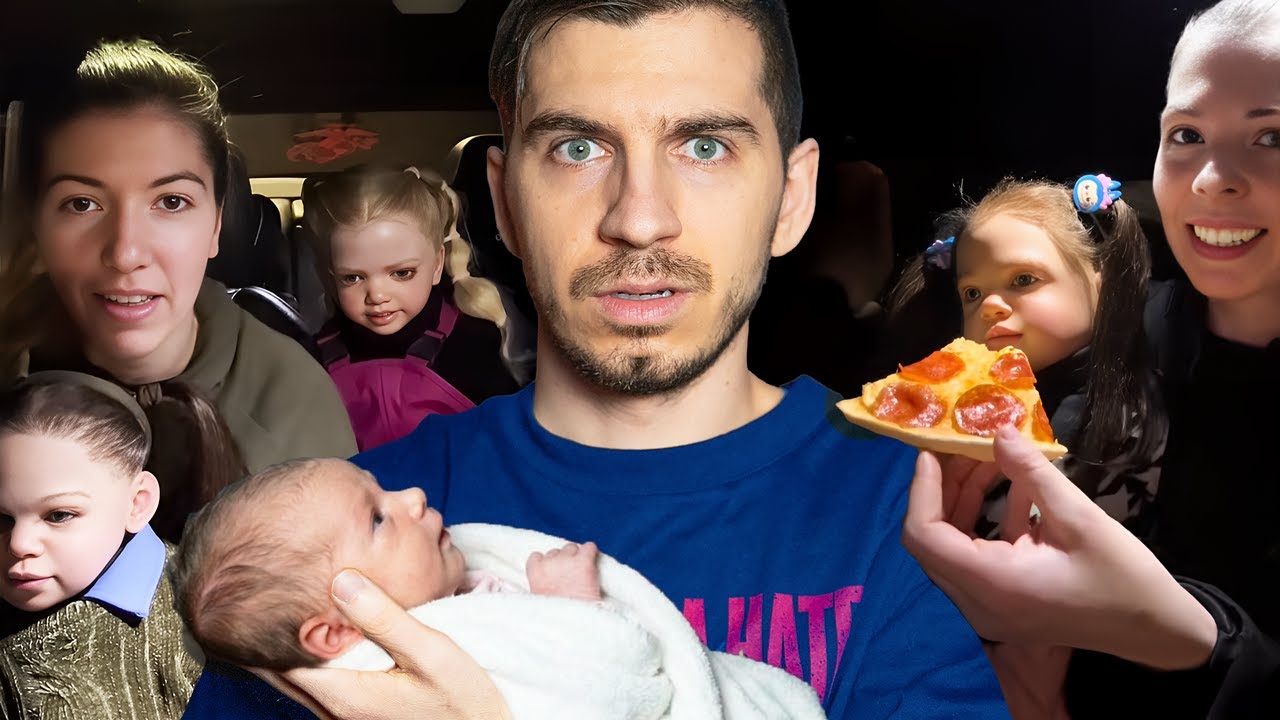
The video provides a humorous look at a niche internet subculture and correctly identifies the performative aspects of 'reborn doll' content creators.
Her Kids Are NOT Real

The video provides a humorous, albeit hyperbolic, look at the parasocial extremes of modern celebrity worship and the 'cringe' subculture of TikTok.
Are The Swifties Mentally Okay?
Viewer Guidance (3 tips)
Watch for group characterization
People or groups are reduced to types. Consider whether the characterization serves the argument more than the truth.
Watch for emotional framing
This content frequently uses emotional appeal. Notice when feelings are being prioritized over evidence.
Evaluate the ask
Calls to action follow emotional buildup. Consider whether the ask would feel as urgent without the preceding framing.
Technique Fingerprint (from knowledge graph)
Urgency framing
AI detected as: False Urgency
Creating artificial time pressure to force a decision before you can think it through. 'Only 3 left!' 'Act now!' The technique works because genuine scarcity is a real signal, so the urgency feels rational even when it's manufactured.
Cialdini's Scarcity principle (1984); dark patterns research (Mathur et al., 2019)
Emotional Bridging (using Manufactured Discomfort To Sell A Product As A 'remedy' Or Mood-booster).
This technique was detected by AI but doesn't yet map to our curated glossary. We're tracking its usage patterns.
Association
AI detected as: Commercial Integration Via Persona-alignment
Pairing a new idea, product, or person with something you already feel positively or negatively about. The goal is to transfer your existing emotional response without any logical connection. It works below conscious awareness.
Evaluative conditioning (Pavlov); IPA 'Transfer' technique (1937)
Pathos
AI detected as: Emotional Pivot
Appealing to your emotions — fear, joy, anger, sadness — to make an argument feel compelling. Rather than persuading through evidence, it works by putting you in an emotional state where you're more receptive. The emotion becomes the proof.
Aristotle's Rhetoric; Kahneman's System 1 processing
Conditional emotional appeal
AI detected as: Class-based Emotional Anchoring
Using guilt, fear, or obligation to pressure you into compliance. The message is: "If you were a good person, you would do this." It bypasses rational evaluation by making refusal feel like a moral failure.
Forward's FOG model (1997) — Fear, Obligation, Guilt
Anchoring
Presenting an extreme number or claim first so everything after seems reasonable by comparison. The first piece of information becomes your reference point — even when it's arbitrary or deliberately inflated. Works even when you know the anchor is irrelevant.
Tversky & Kahneman's anchoring heuristic (1974)
Urgency framing
Creating artificial time pressure to force a decision before you can think it through. 'Only 3 left!' 'Act now!' The technique works because genuine scarcity is a real signal, so the urgency feels rational even when it's manufactured.
Cialdini's Scarcity principle (1984); dark patterns research (Mathur et al., 2019)
Pathos
Appealing to your emotions — fear, joy, anger, sadness — to make an argument feel compelling. Rather than persuading through evidence, it works by putting you in an emotional state where you're more receptive. The emotion becomes the proof.
Aristotle's Rhetoric; Kahneman's System 1 processing
Association
Pairing a new idea, product, or person with something you already feel positively or negatively about. The goal is to transfer your existing emotional response without any logical connection. It works below conscious awareness.
Evaluative conditioning (Pavlov); IPA 'Transfer' technique (1937)
Conditional emotional appeal
Using guilt, fear, or obligation to pressure you into compliance. The message is: "If you were a good person, you would do this." It bypasses rational evaluation by making refusal feel like a moral failure.
Forward's FOG model (1997) — Fear, Obligation, Guilt
Similar Channels (shared influence techniques)
Featured People
Analyzed Videos (10)

Tik Tokers Are STUCK IN The Pyramids Of Egypt
963.5K views

Disney Adults Obsession With Giving Birth At Disney
1.0M views
When You Order the Entire Menu Except a Salad
1.0M views
Boomers Getting Cooked by AI
976.7K views
Her Kids Are NOT Real
1.5M views
Are The Swifties Mentally Okay?
1.5M views

Never Let These People Cook For You
1.1M views
The Most Expensive Grocery Store in the World Is Terrifying
1.5M views

I Bought BANNED Cat Products From Temu
1.3M views

When Your Diet Lasts 4 Seconds
2.3M views