We can't find the internet
Attempting to reconnect
Something went wrong!
Attempting to reconnect

Mae Alice Suzuki
@maealicesuzuki · 521.0K subscribers · 140 videos · 10 analyzed
Share Influence ReportCommunication Profile (across 10 videos)
Stated Purpose
dedicated to the art of self-evolution 🪽 cultivating mind, body, and spirit 🎯 stoic angels podcast "yesterday i was clever, so i wanted to change the world. today i am wise, so i am changing myself...
Operative Pattern
Across 10 videos, this channel demonstrates low persuasion intensity, primarily through Fear Appeal. Recurring themes suggest consistent operative goals beyond stated content.
Avg Intensity
Avg Transparency
Top Technique
Fear appeal
Presenting a vivid threat and then offering a specific action as the way to avoid it. Always structured as: "Something terrible will happen unless you do X." Most effective when the threat feels personal and the action feels achievable.
Witte's Extended Parallel Process Model (1992)
Persuasion Dimensions
Intensity Over Time
Per-Video Operative Goals — detected in individual analyses

The video aims to sell the Dreame Airstyle Pro and various drugstore hair products through a 'science-backed' routine that positions the creator as an expert peer.

The content aims to build a lifestyle brand and community around 'Stoic Angels' while driving conversions for Skillshare and the creator's high-ticket group trips to Greece.

The video aims to build a loyal community ('Stoic Angels') and drive sales for the creator's merch, newsletter, and group trips by providing actionable self-help advice framed as 'secret' social strategies.

The video aims to build a personal brand around 'self-evolution' and 'stoicism' while promoting a Pilates app and the creator's own digital resources.
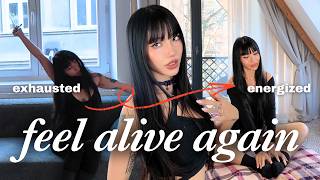
The video aims to provide a structured lifestyle reset while converting viewers into long-term users of the sponsored personal training app, Trainwell.
What's Valuable Here

Offers specific, actionable practices like body scans, box breathing, and dream journaling that can build self-awareness regardless of worldview.
how to become dangerously INTUITIVE

Specific, actionable tips like combining heavy lifting with Pilates for muscle definition without bulk and working with menstrual cycle fluctuations for realistic bloating management.
the BLUEPRINT to get your FACE and BO...

The video offers a candid look at how personal accountability and setting boundaries can stabilize a volatile relationship.
what i learned from 10 years of marri...

The video offers a clear and accessible introduction to the core concepts of Vadim Zeland's 'Reality Transurfing' for those interested in manifestation and mindset shifts.
how to create your desired reality (r...
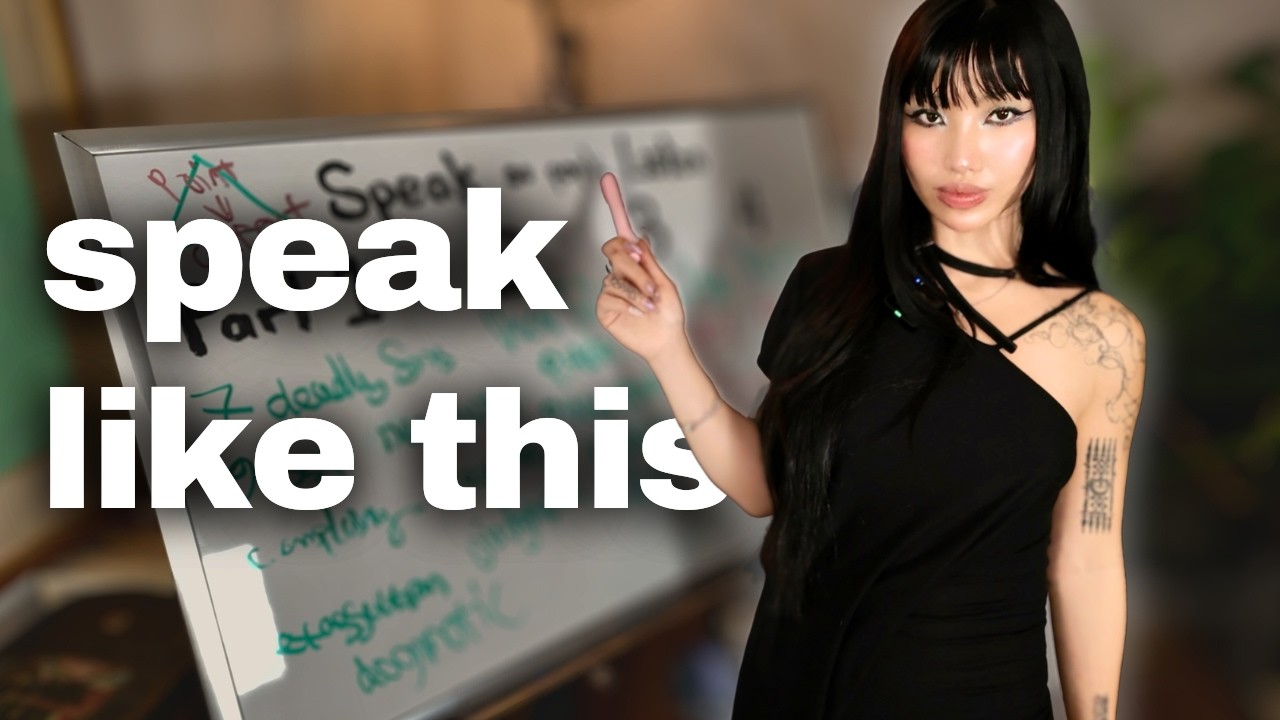
The video offers a concise summary of Julian Treasure's communication principles and practical tips on vocal variety and the 'pyramid principle' for clearer speaking.
how to SPEAK so people LISTEN - WIN p...

The video offers genuinely useful technical information regarding hair pH and the impact of hard water minerals on cuticle health.
how ANYONE can get long, thick and sh...
Viewer Guidance (3 tips)
Evaluate the ask
Calls to action follow emotional buildup. Consider whether the ask would feel as urgent without the preceding framing.
Consider alternative frames
Information is consistently shaped from one angle. Seek out how other sources present the same facts.
Watch for emotional framing
This content frequently uses emotional appeal. Notice when feelings are being prioritized over evidence.
Technique Fingerprint (from knowledge graph)
Performed authenticity
AI detected as: Strategic De-influencing
The deliberate construction of "realness" — confessional tone, casual filming, strategic vulnerability — designed to lower your guard. When someone appears unpolished and honest, you evaluate their claims less critically. The spontaneity is rehearsed.
Goffman's dramaturgy (1959); Audrezet et al. (2020) on performed authenticity
Fear appeal
AI detected as: Problem-agitation-solution Framing
Presenting a vivid threat and then offering a specific action as the way to avoid it. Always structured as: "Something terrible will happen unless you do X." Most effective when the threat feels personal and the action feels achievable.
Witte's Extended Parallel Process Model (1992)
Association
AI detected as: Halo Effect Validation
Pairing a new idea, product, or person with something you already feel positively or negatively about. The goal is to transfer your existing emotional response without any logical connection. It works below conscious awareness.
Evaluative conditioning (Pavlov); IPA 'Transfer' technique (1937)
Narrative Bridging
This technique was detected by AI but doesn't yet map to our curated glossary. We're tracking its usage patterns.
Us vs. Them
AI detected as: Identity-based Branding
Dividing the world into two camps — people like us (good, trustworthy) and people not like us (dangerous, wrong). It exploits a deep human tendency to favor our own group. Once you accept the division, information from "them" gets automatically discounted.
Tajfel's Social Identity Theory (1979); Minimal Group Paradigm
In-group/Out-group framing
AI detected as: Adversarial Framing
Leveraging your tendency to automatically trust information from "our people" and distrust outsiders. Once groups are established, people apply different standards of evidence depending on who is speaking.
Social Identity Theory (Tajfel & Turner, 1979); Cialdini's Unity principle (2016)
Pathologizing Natural Anatomy
This technique was detected by AI but doesn't yet map to our curated glossary. We're tracking its usage patterns.
Performed authenticity
The deliberate construction of "realness" — confessional tone, casual filming, strategic vulnerability — designed to lower your guard. When someone appears unpolished and honest, you evaluate their claims less critically. The spontaneity is rehearsed.
Goffman's dramaturgy (1959); Audrezet et al. (2020) on performed authenticity
Association
Pairing a new idea, product, or person with something you already feel positively or negatively about. The goal is to transfer your existing emotional response without any logical connection. It works below conscious awareness.
Evaluative conditioning (Pavlov); IPA 'Transfer' technique (1937)
Us vs. Them
Dividing the world into two camps — people like us (good, trustworthy) and people not like us (dangerous, wrong). It exploits a deep human tendency to favor our own group. Once you accept the division, information from "them" gets automatically discounted.
Tajfel's Social Identity Theory (1979); Minimal Group Paradigm
In-group/Out-group framing
Leveraging your tendency to automatically trust information from "our people" and distrust outsiders. Once groups are established, people apply different standards of evidence depending on who is speaking.
Social Identity Theory (Tajfel & Turner, 1979); Cialdini's Unity principle (2016)
Fear appeal
Presenting a vivid threat and then offering a specific action as the way to avoid it. Always structured as: "Something terrible will happen unless you do X." Most effective when the threat feels personal and the action feels achievable.
Witte's Extended Parallel Process Model (1992)
Similar Channels (shared influence techniques)
Featured People
Analyzed Videos (10)
how ANYONE can get long, thick and shiny hair (my science-backed routine)
30.9K views
what i learned from 10 years of marriage to the love of my life
28.4K views
how to create your desired reality (reality transurfing)
43.7K views

the BLUEPRINT to get your FACE and BODY SNATCHED in 2026
69.3K views
the ULTIMATE energy reset guide: lighter & energized in 7 days
19.2K views

how to become dangerously INTUITIVE
24.0K views

28 ways to get your life together in 2026
54.7K views

how to SPEAK so people LISTEN - WIN people over with your ideas
17.2K views

make 2026 your BEST year yet | the GOAL SETTING system that WON'T fail
50.6K views
17 SPECIFIC boundaries to PROTECT your ENERGY (stop letting people drain you)
84.7K views